Fairbanks Aurora Borealis Season Dates: When The Lights Appear
Fairbanks sits under the auroral oval, which gives it one of the longest viewing windows of any city on Earth: August 21 to April 21. The dates are set by darkness, not by the sun's behavior, and that shapes every month differently.
Short answer
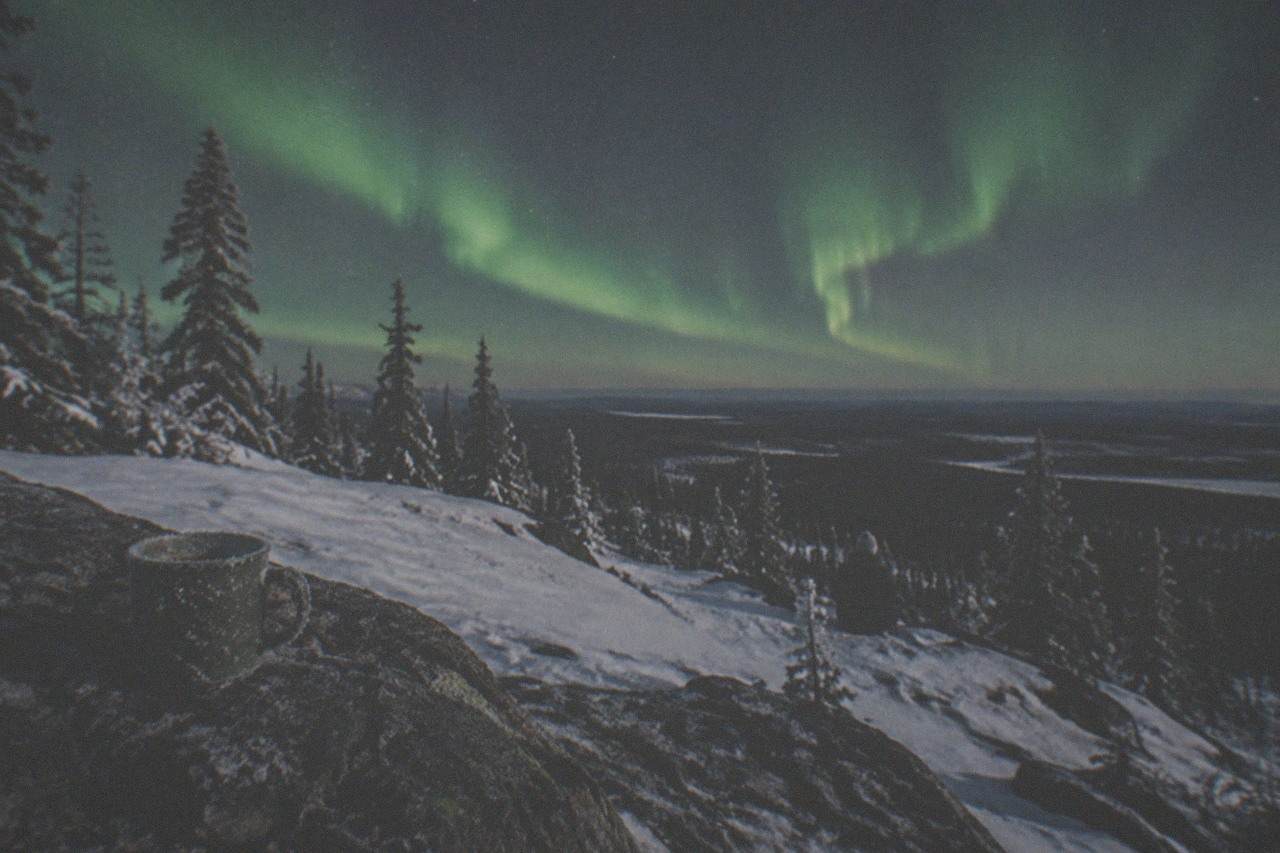
Fairbanks' aurora season runs August 21 to April 21, per Explore Fairbanks. Outside that window, twilight or the midnight sun prevents viewing even when the aurora is active overhead. The best balance of darkness, clear skies and workable temperatures sits in late August to September and late February to March.
Fairbanks Aurora Borealis Season Dates: When The Lights Appear
Aurora borealis viewing in Fairbanks runs from August 21 to April 21, a window of eight months published by Explore Fairbanks, the official destination marketing organization for the region. That span is not a marketing invention. It is the stretch of the year when Interior Alaska gets enough astronomical darkness for the aurora to register against the sky, and it explains why the city can honestly advertise itself as one of the most reliable places on the planet to try for the lights. This page walks through why those exact dates hold, what each month inside the window actually feels like, and how Solar Cycle 25 shapes the current season without changing the calendar at all.
When Is Aurora Season In Fairbanks, Alaska?
Fairbanks' aurora season runs August 21 to April 21, roughly eight months out of the year, as published by Explore Fairbanks. The season is defined by darkness rather than solar activity: once late-April twilight takes over, the sky never gets fully black again until the back half of August, so no aurora overhead can be seen no matter how strong the geomagnetic storm is.
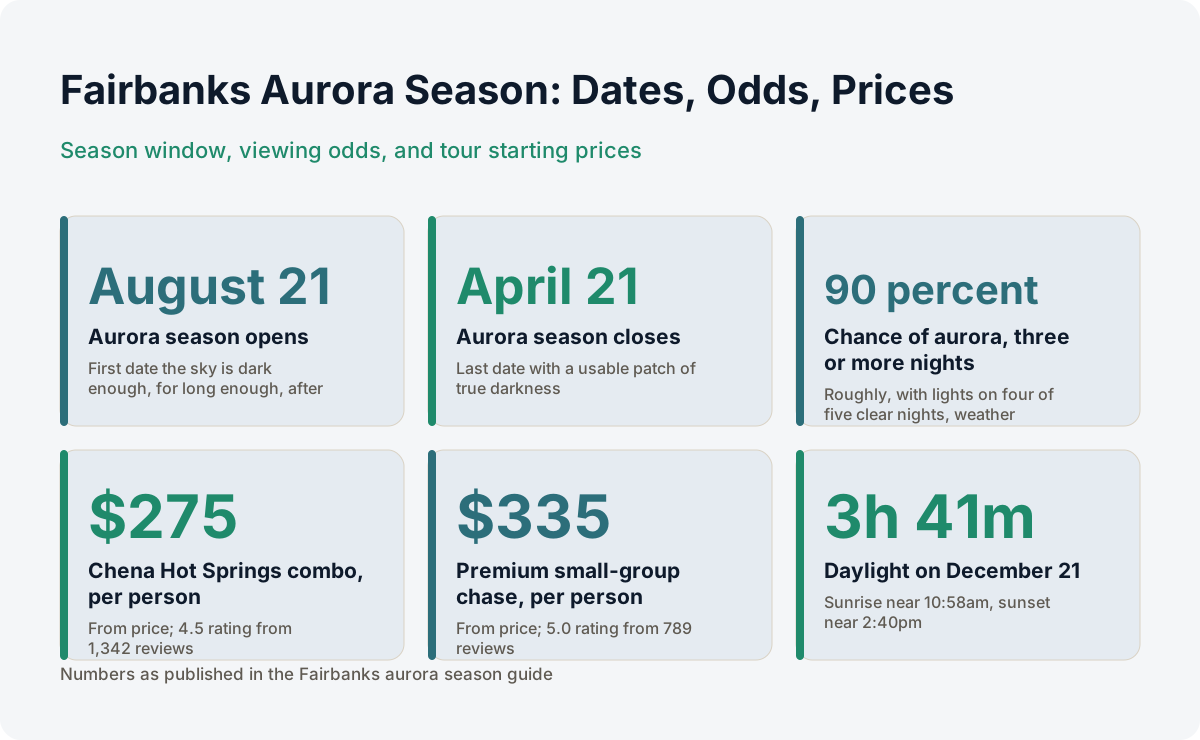
The starting and ending dates are worth taking literally. August 21 is not chosen because the lights switch on that evening; it is simply the first date on which the sky above Fairbanks gets dark enough, for long enough after midnight, that a faint aurora could be picked out. April 21 is the mirror image, the last date with a usable patch of true darkness before the spring twilight swallows it. In between, the quality of a viewing night varies enormously, and the sections below break that down month by month.
What stays constant is the geometry. Fairbanks sits at roughly 64.8 degrees north, under the auroral oval, the ring of aurora that circles the geomagnetic pole. When the oval is quiet it still hangs over the city. The University of Alaska Fairbanks Geophysical Institute, which publishes a daily aurora forecast on the Kp index, describes the region as one where visible aurora is often possible even at low planetary activity values (see Aurora Timing Tonight). The UAF Geophysical Institute forecast page is the reference most local guides check each afternoon.
The practical takeaway for a traveler is simple: any night between late August and late April is a genuine candidate night, and any night outside it is not. Planning around that fact, rather than around vague notions of "winter is aurora time", is the single biggest improvement a Fairbanks itinerary can make.
Why The Fairbanks Aurora Season Runs August 21 To April 21
The August 21 to April 21 dates are fixed by astronomical darkness, not by solar behavior. Fairbanks is far enough north that from late April through mid-August the sky never gets fully dark, because of lingering evening twilight and then the midnight sun. The aurora can be, and often is, active overhead in summer; it simply cannot be seen.
This is the point most first-time visitors get backwards. They assume aurora season exists because the sun is "more active" in winter, or that geomagnetic storms hibernate in summer. Neither is true. The solar wind and the geomagnetic response that produce aurora operate year-round, and if anything, the weeks around the equinoxes tend to carry a statistical bump in activity due to the Russell-McPherron effect, a seasonal alignment that favors geomagnetic coupling. The calendar is about what the human eye can register.
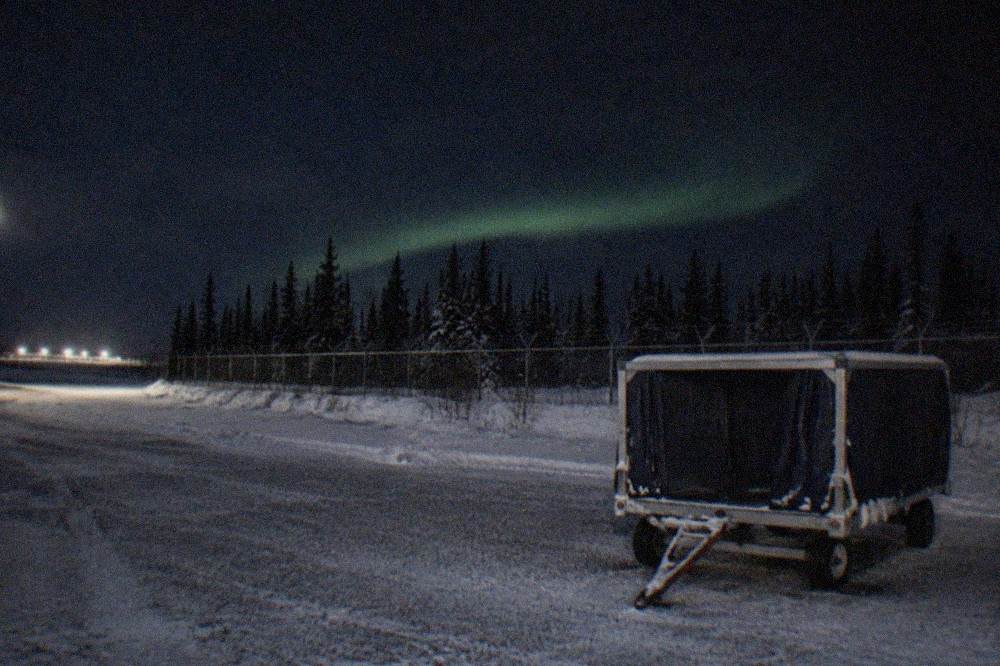
Around the winter solstice, the swing is extreme. Fairbanks gets approximately 3 hours and 41 minutes of daylight on December 21, with sunrise near 10:58am and sunset near 2:40pm. That sounds punishing, and it is cold, but for aurora purposes it means the usable dark hours stretch from mid-afternoon to mid-morning. By late February the daylight has rebounded to roughly 10 hours, compressing the dark window while making travel in general far more comfortable.
The two shoulder months at the edges of the season are stranger than people expect. Late August still has warm evenings, lingering dusk until midnight, and a sky that turns dark only in the small hours. Mid-April reverses that: darkness shrinks to a thin slice before dawn, and the odds of catching a display depend on staying up or waking early rather than sitting out all evening.
For choosing dates within the window, the honest framing is that the season's length is the guarantee, and everything else is odds. A commonly cited figure repeated across sources, including Explore Fairbanks, is that a visitor staying three or more nights during the season has roughly a 90 percent chance of seeing the aurora, weather permitting, with the lights visible on about four of five clear nights. That is a widely reported planning figure, not a promise, and it assumes the nights themselves are clear.
Choosing a base inside the window is the next decision, and the three listings below cover the three most common styles: a hot springs resort combo, a premium small-group chase, and a fixed lodge with transport from major Fairbanks hotels.
Each of the three formats earns its place in a season differently. The Chena Hot Springs combo, from $275 per person and carrying a 4.5 rating from 1,342 reviews, suits travelers who want a warm soak and a resort evening built into the aurora night. The premium small-group chase, from $335 per person with a 5.0 rating from 789 reviews, suits visitors who want to move toward clear sky rather than wait for it. The lodge and yurt option, from $160 per person, suits those who prefer to settle in a dark, heated spot with a north-facing view. Deciding which of those three postures fits your dates is covered in more depth in the guide to the best time to see the northern lights in Fairbanks.
Best Months For Aurora Borealis Viewing In Fairbanks
Late August through September and late February through March are the two strongest stretches inside the season. Both sit near an equinox, when darkness is long and statistically favorable geomagnetic conditions coincide; February and March add more reliable cold, often clearer Interior skies, and no deep-winter chill. December and January offer maximum darkness but the harshest cold.
The shoulder seasons are the quiet insider's pick, and the reasons are practical rather than mystical. In September the night is long enough to allow a full evening of watching without the -15F lows of midwinter, and Fairbanks' late-summer and early-fall pattern still produces stretches of stable high pressure. In March the daylight rebound makes every other part of a trip easier: roads are clearer, the city feels less shuttered, and the dark hours still run from roughly 9pm to 5am.
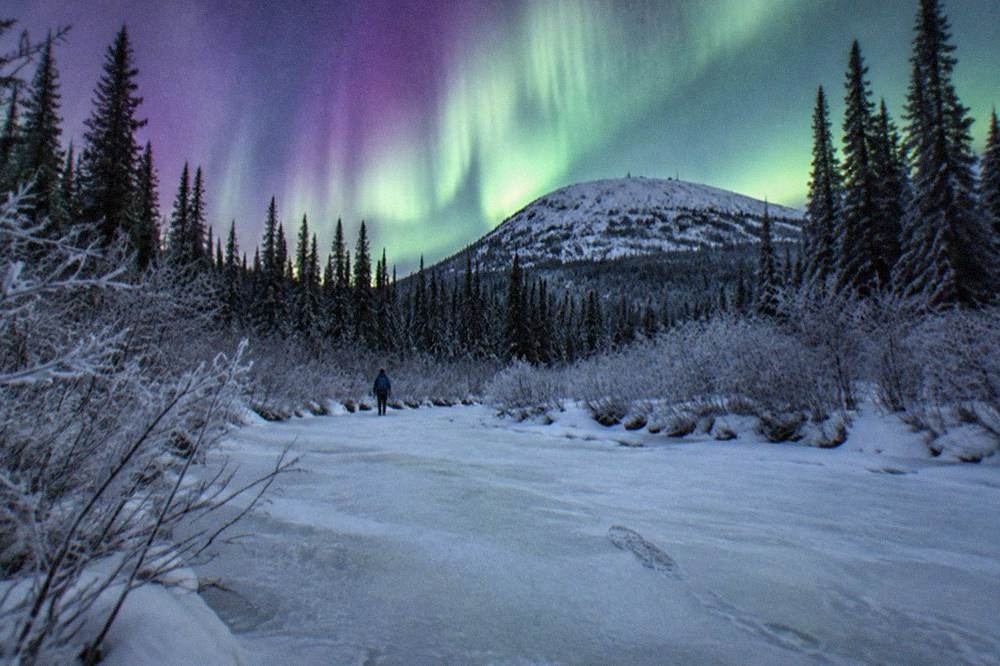
Midwinter is the period people romanticize, and it delivers the longest possible dark, but it demands respect for the cold. The table below lays out how the months inside the season compare, using the long-term temperature normals for Fairbanks.
| Month | Aurora outlook | Typical high | Typical low | Practical notes |
|---|---|---|---|---|
| Late August | Season opens Aug 21; dark after midnight only | Around 65F | Around 45F | Warmest viewing of the year; late starts |
| September | Long nights, equinox bump in activity | Around 55F | Around 35F | Strong all-round month; busy with tours |
| October | Full dark, cold building | Around 32F | Around 18F | Early-season snow possible; quiet trails |
| November | Full dark from early evening | Around 12 to 14F | Around -2 to -4F | Interior cold sets in; fewer visitors |
| December | Maximum darkness, solstice Dec 21 | Around 4 to 5F | Around -12 to -13F | Only about 3h 41m of daylight |
| January | Longest cold stretch; often coldest month | Around 1 to 2F | Around -16 to -17F | Serious gear required; excellent dark |
| February | Cold but moderating; nights shorten | Around 12 to 13F | Around -10 to -11F | About 10 hours of daylight by month end |
| March | Equinox stretch; reliable clear spells | Around 25 to 27F | Around -3F | Easiest deep-dark month to travel in |
| Until April 21 | Final thin slice of dark before twilight | Around 40F | Around 20F | Season closes; dark only after midnight early, before dawn late |
One caution about the winter just past: the December-to-March period of 2025-26 was Fairbanks' coldest on record, averaging nearly -14F, per the National Weather Service. That is a record, not a new normal, and the monthly figures in the table above reflect long-term climate normals rather than last winter's extremes. But it is a reminder that a midwinter booking should come with real cold-weather preparation, the subject covered in detail in the what to wear guide for Fairbanks aurora tours.
If a month has already been chosen for you by a conference, a cruise add-on or a school break, the honest answer is that every month inside the window can work. The difference between a 90 percent and a 70 percent outcome is usually the number of nights you give yourself, which is exactly the question the how many nights to stay in Fairbanks piece takes on directly.
For visitors pinning dates to the strongest shoulder months, the Chena Hot Springs combo from $275 per person is worth a close look. It pairs the resort's outdoor pool, open 7:00am to 11:45pm daily, with an aurora night in a single booking, which matters in March when the soak after a cold viewing session is the difference between a good night and a brutal one.
How Solar Cycle 25 Shapes The Current Fairbanks Season
Solar Cycle 25 passed its sunspot peak of roughly 160.9 in October 2024 and is now declining, but geomagnetic activity, the part that actually drives auroras, has stayed relatively elevated into 2026. The cycle does not change the August 21 to April 21 dates at all; it changes the background odds of strong displays on any given night.
This distinction matters because the sunspot number is the headline figure and the aurora driver is not. Sunspot counts track dark spots on the sun's surface, a proxy for overall solar output. Geomagnetic activity, measured through indices like Kp and Ap, tracks how much of the solar wind's energy actually couples into Earth's magnetosphere. The first eight months of 2026 averaged a planetary Ap index of 12.6, above 2024 levels, meaning the aurora engine has kept running even as the sunspot count slid to about 99.8 in February 2026.
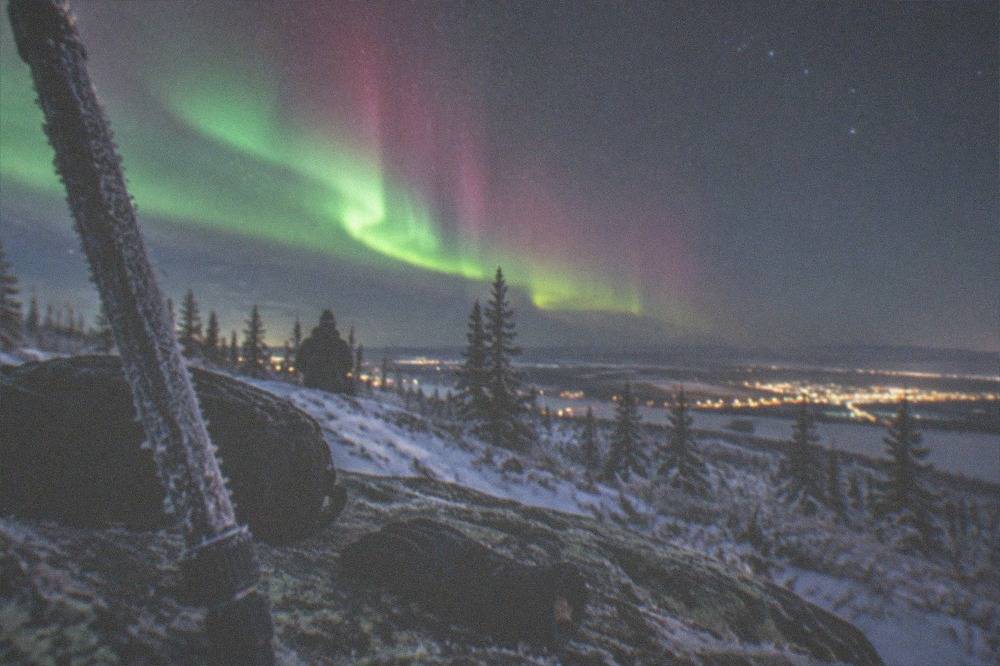
The honest reading of the trend, and the one this site will give you rather than a hype cycle: significant storms are expected to become less frequent after 2026 as the cycle continues toward its next minimum, projected around 2030. Any page telling you 2026 is definitively "the best year ever" for the northern lights is overselling. The defensible claim is the nuanced one: the sunspot peak is behind us, the geomagnetic background is still active, and the coming seasons remain very good ones to be under the oval in Fairbanks.
| Solar Cycle 25 marker | Figure | What it means for aurora viewers |
|---|---|---|
| Smoothed sunspot peak | Around 160.9, October 2024 | The cycle's maximum is past |
| Sunspot number, February 2026 | Around 99.8 | Roughly 62 percent of the peak |
| Average Ap index, first 8 months of 2026 | Around 12.6 | Above 2024 levels; aurora driver still active |
| Projected minimum | Around 2030 | Storms expected to become less frequent after 2026 |
For a season-window page the practical translation is this: the calendar in Fairbanks has not moved and will not move, and the current cycle phase still favors strong displays. If you are choosing between going now and waiting two or three years, the current data argues for now, stated as a trend rather than a guarantee. The fuller picture, including what the declining phase means for trip timing across several winters, is in the Solar Cycle 25 guide, and the daily mechanics of the Kp index and how to read the UAF forecast are broken out in the aurora forecast and Kp index explainer.
What Each Fairbanks Winter Night Looks Like Through The Season
Nights inside the season vary from warm August evenings with a midnight start to January nights of 14-plus dark hours below zero. Midwinter offers the most viewing hours but not a higher chance of clear sky; the two are often conflated, and they should not be. Longer nights mean more chances to be outside when a display happens, not better weather to see it through.
The distinction in that last sentence is worth slowing down on, because a lot of season advice gets it wrong. A 16-hour January night does not make the sky clearer. Clear sky in Interior Alaska depends on cloud cover, temperature inversions in the Tanana Valley, and storm tracks, not on how long the sun is down. What long nights buy you is time: if a break in the clouds arrives at 2am, you can still be out for it. In late August the same break might arrive after the sky has already begun to lighten.
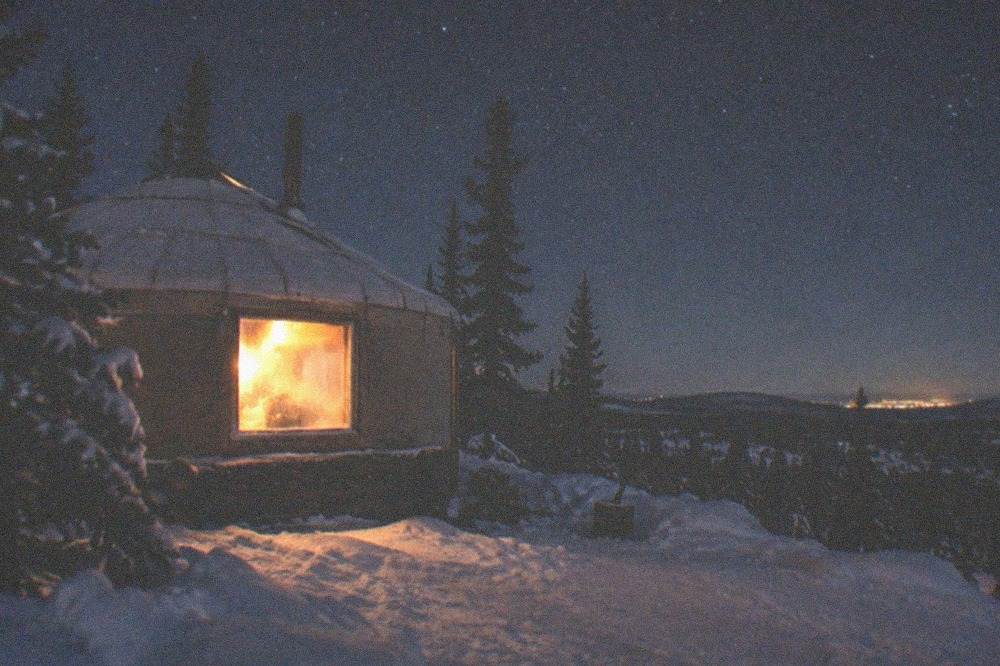
This is also where tour format starts to matter more than date. A fixed lodge with heated indoor space makes a January night workable for hours on end. A chase tour that drives toward clear sky trades warmth for flexibility, and the premium option from $335 per person, rated 5.0 from 789 reviews, is built around exactly that trade. The small-group chase at from $215 per person, also 5.0 from 557 reviews, offers the same mobility at a lower price point.
The premium chase suits the deep-winter months for a specific reason: its value scales with how mobile you need to be. In September, when a settled high can park itself over Fairbanks for a week, almost any format works and the cheaper fixed-lodge options make sense. In November and December, when valley clouds can sit for days, an operator willing to drive an hour toward a hole in the cloud deck is worth real money. Neither listing states a cancellation policy, so check the terms on the operator's live listing before booking.
Clothing is the other half of the midwinter equation. The layered-system approach, including the boot and hand-warming details that separate a tolerable January night from a miserable one, is laid out fully in the Fairbanks aurora tour clothing guide; it applies to every month from November through March, and skimping on it costs viewing time.
How Cloud Cover And Forecasting Shape Any Fairbanks Season Night
Cloud cover, not geomagnetic activity, is the usual reason a Fairbanks aurora night fails. The planning sequence is fixed: check the UAF Geophysical Institute forecast for activity, then check the local cloud forecast for your specific night, then give yourself two to three nights. No tour, lodge or date can fix an overcast sky.
The forecast half of that sequence is genuinely local. The UAF Geophysical Institute has published a daily aurora forecast for decades, updated around noon based on NOAA geomagnetic data, in 3-day and 27-day versions. Because Fairbanks sits under the auroral oval at roughly 64.8 degrees north, visible aurora is often possible at Kp values of roughly 2 to 4, levels that would produce nothing at mid-latitudes. The index is global rather than purely local, so treat it as a background signal rather than a guarantee for your postcode.
| Planning check | Tool | What it tells you |
|---|---|---|
| Geomagnetic activity | UAF Geophysical Institute aurora forecast | Kp level and expected activity for the next 3 days |
| Cloud cover | Local weather forecast for Fairbanks | Whether the activity, if any, will be visible |
| Road and trip conditions | State 511 travel information | Winter advisories for any drive out of the city |
| Your own margin | Your itinerary | How many nights you can afford to wait |
The site-level advice is consistent with the commonly cited figures earlier on this page: three or more nights is the planning threshold at which the odds bend in your favor, and the widely reported figure of roughly 90 percent with a 3-plus night stay assumes those nights were actually clear enough to watch. If your window is one night only, that is the scenario where booking a mobile chase format rather than a fixed lodge earns its keep, since the operator can at least attempt to find sky.
Cancellation terms vary across the roster, and the differences matter most exactly when cloud is the risk. Five listings on this site carry free cancellation on the listing, including the lodge and yurt option at from $160 per person, rated 4.5 from 34 reviews, which makes it a natural hedge for a traveler holding a shaky forecast. Others, including the guided lodge viewing at from $200 per person, explicitly do not carry free cancellation, so read the terms on the live listing before relying on the ability to back out. The mechanics of what happens on a cloudy night, including what operators do and do not owe you, are covered in the cloudy-night cancellation guide.
The lodge and yurt listing earns its solo spot here for the same reason it earns its place in the trio: at from $160 per person with free cancellation on the listing, it is the cheapest fully-heated format on the roster, with transport from major Fairbanks hotels, which makes it the low-risk default for a first night of a multi-night stay.
Choosing A Tour To Match Your Fairbanks Season Dates
Match the tour format to the month, not just to the price. Fixed lodges and heated shelters fit the settled shoulder months and deep-cold midwinter alike; mobile chase tours earn their premium in cloudy or shoulder seasons; resort combos fit travelers who want the whole evening, not just the sky. Every option below runs inside the August 21 to April 21 window.
Start with the honest observation that most visitors over-index on the aurora forecast and under-index on the format decision. The forecast on any single night is outside your control. The format you book is entirely inside it, and it determines how long you can stay out, how warm you will be, and whether the night is salvageable when the first location clouds over.
| Format | Listing | From price | Rating and reviews | Best fit inside the season |
|---|---|---|---|---|
| Hot springs resort combo | Chena Hot Springs combo tour | $275 per person | 4.5 from 1,342 reviews | September and March; warm soak before or after |
| Premium small-group chase | Premium aurora viewing adventure | $335 per person | 5.0 from 789 reviews | Cloudy or uncertain nights; deep winter |
| Lodge and yurt viewing | Alaskan northern lights lodges | $160 per person | 4.5 from 34 reviews | Budget and first-night hedging; long stationary nights |
| Guided lodge viewing | Guided lodge viewing with commentary | $200 per person | 4.5 from 286 reviews | Travelers who want interpretation, not just a window |
The budget hilltop option at Murphy Dome, from $99 per person with a 4.5 rating from 317 reviews, sits below this table's price range and suits travelers who want the cheapest possible guided night out; its cancellation policy is not stated on the listing, so check before booking. At the other end, the ice fishing and aurora combo from $239 per person and the dog sled, salmon dinner and yurt pairing from $320 per person both fold a second Interior Alaska experience into the aurora night, which is a good fit for the shoulder months when daylight activities are still comfortable.
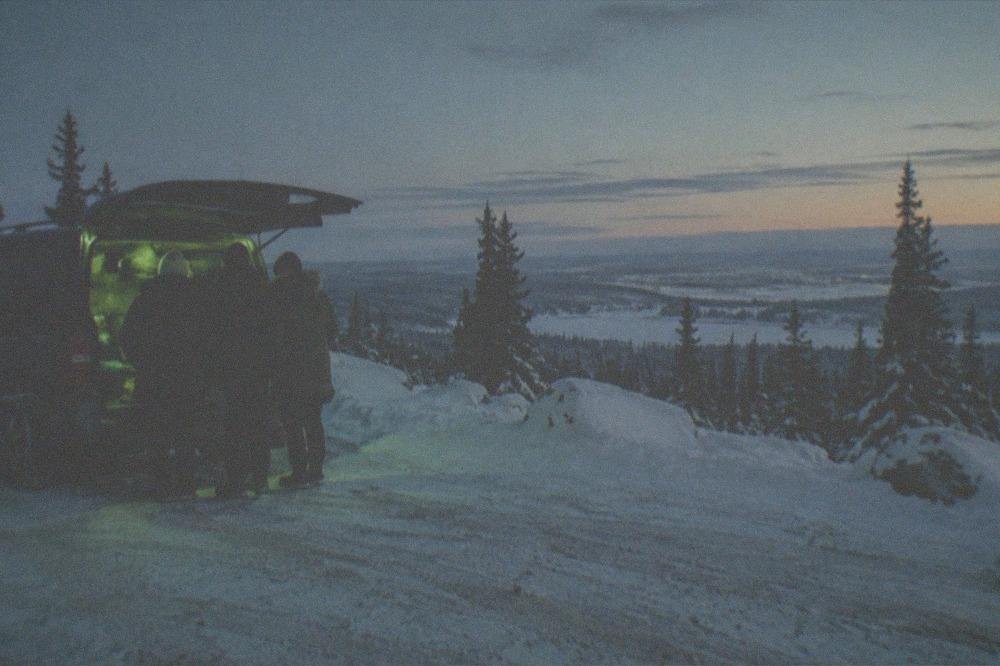
Whatever the format, the season dates hold for all of them: August 21 to April 21, with the shoulder months offering the most comfortable travel, midwinter offering the most dark hours, and the current solar cycle still offering an active geomagnetic background. For the fuller menu of formats with their trade-offs side by side, the overview of the best northern lights tours in Fairbanks carries the complete comparison, and this site's own Fairbanks Aurora Borealis Tours roster page collects every listing on one page for a final check.
Here, one more time, are the three formats this page recommends most often for season-window travelers, the resort combo, the premium chase and the heated lodge.
Pick by month and by forecast confidence rather than by headline price. A settled September week rewards the cheap lodge; a doubtful November weekend rewards the chase; a March birthday trip rewards the hot springs. The window, the oval and the calendar will be waiting for all of them.
Common Questions About The Fairbanks Aurora Season
When Is Aurora Season In Fairbanks, Alaska?
August 21 to April 21, as published by Explore Fairbanks. The window is fixed by astronomical darkness: outside those dates, twilight or the midnight sun prevents viewing even when the aurora is active overhead.
Why Does The Fairbanks Aurora Season Run August 21 To April 21?
The dates mark the stretch of the year when the sky above Fairbanks gets fully dark long enough to see the lights. The aurora itself occurs year-round; in late spring and summer the sky simply never gets dark enough to register it.
Which Months Are Best For Aurora Borealis Viewing In Fairbanks?
Late August through September and late February through March. Both stretches sit near an equinox with long nights and workable temperatures, and February to March in particular combines deep dark with easier travel conditions than midwinter.
Is December Or January Better For Seeing The Northern Lights In Fairbanks?
Both offer the longest dark hours of the season, roughly 14 or more usable hours, but January is often the coldest month with lows around -16 to -17F. The extra darkness does not raise the chance of clear sky, it only extends the time you can spend waiting for one.
Does Solar Cycle 25 Mean 2026 Is The Last Good Year For Aurora In Fairbanks?
No. The cycle's sunspot peak passed in October 2024 and is declining, but geomagnetic activity, the direct aurora driver, has stayed relatively elevated into 2026. Significant storms are expected to become less frequent after 2026, so the coming seasons remain strong ones to visit, without any dramatic cliff.
Can I See The Northern Lights In Fairbanks Outside The Season?
Not in practice. From late April through mid-August, lingering twilight and then the midnight sun keep the sky from reaching full darkness, so even an active aurora overhead cannot be seen from Fairbanks.