What To Wear On A Northern Lights Tour In Fairbanks
Fairbanks sits under the auroral oval, which is why the tours exist, but it also sits in one of the coldest population centers in the United States. What you wear decides whether a long aurora night is a memory or an endurance test. This guide walks through the verified temperature normals, the layering logic, and the small items that matter most.
Short answer
Pack for verified Fairbanks winter lows of -2F to -4F in November, -12F to -13F in December, and -16F to -17F in January. Dress in three layers with no cotton, wear insulated boots, a warm hat, and glove liners, and carry warmers and spare batteries. Heated lodge formats need fewer layers than open hilltops.
What Should You Wear On A Northern Lights Tour In Fairbanks?
Plan for Fairbanks' verified monthly lows, which run from -2F to -4F in November down to -16F to -17F in January, and dress in three insulating layers you can shed inside a heated yurt or lodge. Aurora tours involve long stretches of standing still in the dark, so warmth matters more than any other packing decision you will make for this trip.
Aurora tourism in Fairbanks is an outdoor, nighttime activity by design. The lights appear in the dark hours, the tours run into the small hours of the morning, and the cold in Interior Alaska is not a mild inconvenience, it is the defining condition of the night. The city sits inland in the Tanana Valley, far from any moderating ocean influence, and cold air pools in the valley under temperature inversions. The result is a winter that is colder than most visitors from the Lower 48 have ever stood in.
The good news is that cold on this scale is entirely manageable with the right clothing. Fairbanks locals attend outdoor events, walk their dogs, and wait for the aurora all winter at temperatures that would close schools in most American cities. The difference between them and a shivering visitor is not toughness, it is kit. Cotton jeans and a fashion parka will fail within the first hour. A proper base layer, insulation and a windproof shell will hold for the whole night.
The other half of the equation is your tour format. Some products keep you in a heated vehicle or a warm yurt and step outside only when the sky lights up. Others park you on an open hilltop for hours. The same night of -12F feels completely different in those two settings, and this guide covers both. Start with the numbers, then build the outfit around them.
If you are still deciding which format suits you, the Fairbanks aurora season dates month by month guide explains when the viewing window is longest, and what happens on a Fairbanks aurora tour walks through a typical night from pickup to dropoff. Both affect what you carry.
How Cold Are Aurora Tour Nights In Fairbanks, Month By Month?
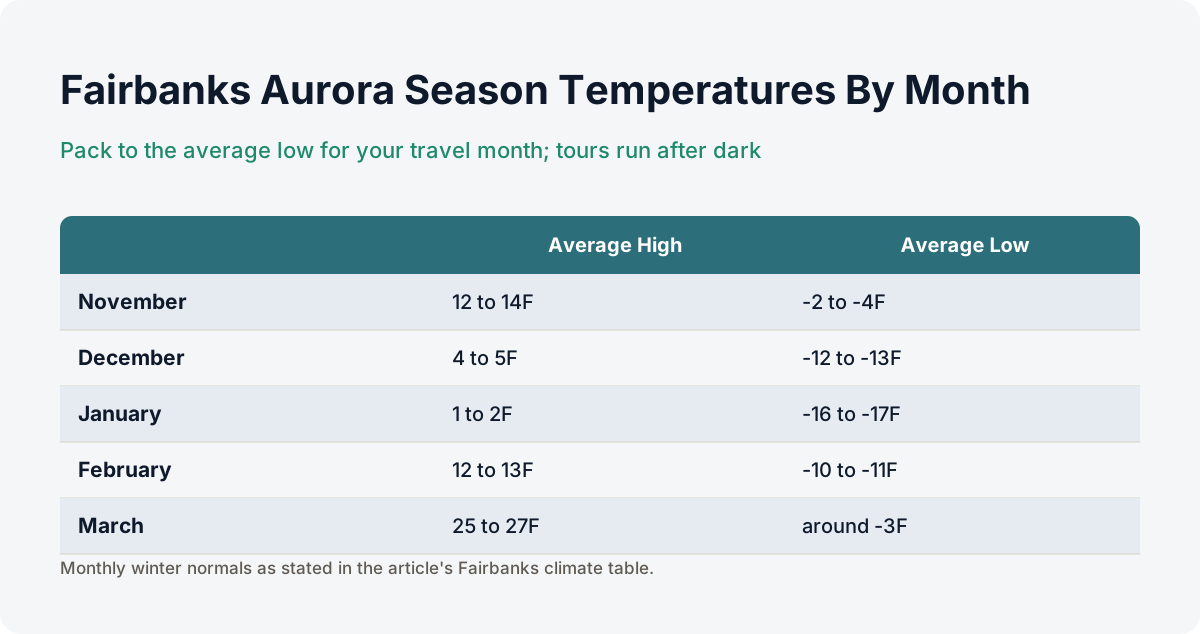
Fairbanks winter normals drop steadily from November highs of 12 to 14F and lows of -2 to -4F to January highs of 1 to 2F and lows of -16F to -17F, the coldest month, then ease back to March highs of 25 to 27F and lows around -3F. Aurora tours run after dark, so the low column is the one your clothing has to answer for.
These figures are long-term monthly normals, the averages that define a typical year rather than any single night's forecast. They are the right basis for packing, because you cannot know your tour night's forecast when you are assembling a suitcase at home. The temperature normals compiled from climate data show the pattern every Interior Alaska winter follows: a rapid slide through November and December, a January floor, and a slow climb back toward bearable by March.
| Month | Average High | Average Low | What It Means For Your Kit |
|---|---|---|---|
| November | 12 to 14F | -2 to -4F | Full layering from night one; nights reach single digits below zero |
| December | 4 to 5F | -12 to -13F | Deep cold; maximum insulation, serious boots, no shortcuts |
| January | 1 to 2F | -16 to -17F | Often the coldest month; every extremity covered, spares in pockets |
| February | 12 to 13F | -10 to -11F | Similar kit to December, slightly more forgiving afternoons |
| March | 25 to 27F | around -3F | Lightest winter kit still cold at night; watch for wet snow on boots |
Two practical readings of this table matter for a visitor. First, the spread between a November trip and a January trip is enormous, roughly fourteen degrees Fahrenheit at the low end, so a packing list you borrowed from a friend who visited at Thanksgiving will underdress a midwinter trip badly. Second, the normals understate extremes. The winter of 2025-26 was Fairbanks' coldest on record, averaging nearly -14F across December to March, per the National Weather Service, and the last above-freezing reading at the airport that season came on Halloween. A record winter does not change what you should pack, it just proves the floor can drop further than the averages suggest.
One more caution: do not trust a single-night forecast made weeks ahead. No specific forecast for any given night can be stated here, and none should drive your packing. Pack to the monthly normal for your travel month, then check the actual forecast in the days before the tour and add or remove a layer accordingly. The official Fairbanks aurora season page confirms the viewing window runs August 21 to April 21, so every month in the table above is squarely inside the season.
Whatever the month, the tour format matters as much as the temperature. These three options span the range from heated comfort to hours on an open hilltop:
The Three Layer System For Standing Outside In The Fairbanks Cold
Wear a moisture wicking base layer against skin, an insulating middle layer of fleece or down, and a windproof shell with a hood. Fairbanks winters average winds of just 6 to 7 mph, so the shell mainly blocks moving air on exposed hilltops while the insulation does the real work. Avoid cotton entirely, because it holds sweat and chills you fast.
The three layer system is standard advice for cold climates, and in Fairbanks it is closer to law than suggestion. The base layer's job is moisture management. You will ride in a warm van, walk to a viewing spot, and then stand still, and every step of that produces sweat that must move away from your skin or it will freeze against you the moment activity stops. Merino wool and synthetic fabrics like polyester blends do this. Cotton, including the jeans and t-shirt most travelers pack by default, absorbs sweat, holds it, and turns into a cold layer against your body.
The middle layer is your heat reservoir. Fleece, down, or synthetic insulation all work, and this is the layer you adjust most. Standing still on a hilltop, you want it thick. In a heated lodge with a snack and hot chocolate, you want it removable. That flexibility is exactly why the system uses layers instead of one giant coat, and it is why a zip or button mid layer beats a pullover for aurora nights.
The shell blocks wind and snow. Interior Alaska winters are notably calm, with average winds in the 6 to 7 mph range, so this is the least critical of the three layers, but a hilltop like Murphy Dome or any moving-air exposure makes it valuable. A hood matters more than the fabric rating, because it seals the gap between hat and collar that otherwise bleeds heat all night. The wind and climate data for Fairbanks shows why locals dress in bulk rather than in windproof gear.
| Layer | What It Does | Best Materials | Notes For Aurora Nights |
|---|---|---|---|
| Base | Moves sweat off skin | Merino wool, polyester blends | Two sets if touring multiple nights; never cotton |
| Middle | Traps body heat | Fleece, down, synthetic fill | Zipped or buttoned so you can vent in a heated yurt |
| Shell | Blocks wind and snow | Waterproof or windproof parka with hood | Most needed on open hilltops, least in a lodge |
Bundling up matters less when the tour itself provides a warm space. The lodge and yurt viewing format at the heart of this site's roster pairs large north-facing windows with heated interiors, so you can watch the sky in a sweater and step outside in your full kit when the display strengthens. That format is worth considering if anyone in your party runs cold. The listing states transport from major Fairbanks hotels, a rating of 4.5 from 34 reviews, and a from price of $160 per person with free cancellation.
Boots, Gloves And Headwear For Fairbanks Aurora Nights
Use insulated boots rated for deep cold, wool or synthetic socks, insulated gloves with liners you can remove to work a camera, and a warm hat plus a neck gaiter or balaclava. Extremities lose heat fastest when you stand still for hours on a hilltop, and chemical warmers only supplement, never replace, proper insulation.
Feet fail first on most aurora tours. You will be standing on frozen ground or packed snow for stretches of an hour or more, and ordinary winter boots, the kind rated for a Midwest sidewalk, will transmit that cold through to your toes within the first stop. Insulated boots with a temperature rating, a thick sole that lifts you off the ground, and room for a heavy sock without compression are the single most important purchase for this trip. Tight boots are worse than thin ones, because squeezed feet have poor circulation and poor circulation means cold toes no matter what you wear.
Hands come next, and gloves present a real conflict on aurora nights. You need mittens or heavily insulated gloves for standing around, but you need finger dexterity for a phone, a camera, or a zipper. The working answer is a liner and shell combination: thin glove liners you can keep on while operating equipment, and insulated mittens or gloves you pull over them the rest of the time. Mittens are warmer than gloves at the same thickness because fingers warm each other. Whichever you choose, bring spares, because damp gloves from an earlier stop lose most of their insulation.
The head and neck are where most people underdress, not from bad gear but from bad habits. A ball cap and an open collar leak heat continuously at -12F. A proper winter hat that covers the ears, plus a neck gaiter or balaclava that seals the collar gap, changes how long you can comfortably stay outside by an hour or more. Parkas with a good hood, cinched over the hat, complete the seal.
| Item | Why It Matters | What To Look For |
|---|---|---|
| Insulated boots | Standing still on frozen ground for hours | Cold temperature rating, thick sole, room for heavy socks |
| Socks | Moisture control and loft | Merino wool or synthetic, never cotton; spare pairs |
| Glove liners | Dexterity for phone and camera | Thin, snug, touch screen compatible |
| Insulated mittens or gloves | Warmth while standing | Mittens run warmer; waterproof shells shed snow |
| Winter hat | Ear coverage and heat retention | Covers ears fully; fits under a hood |
| Neck gaiter or balaclava | Seals the collar-to-hat gap | Blocks the draft that chills the whole torso |
Chemical hand warmers and toe warmers deserve a spot in every pocket, but treat them as supplements. They add comfort at the margins, and they can rescue a night when the cold is winning, but a warmer inside a thin glove at -16F will not save your fingers. The insulation does the work, the warmers extend it.
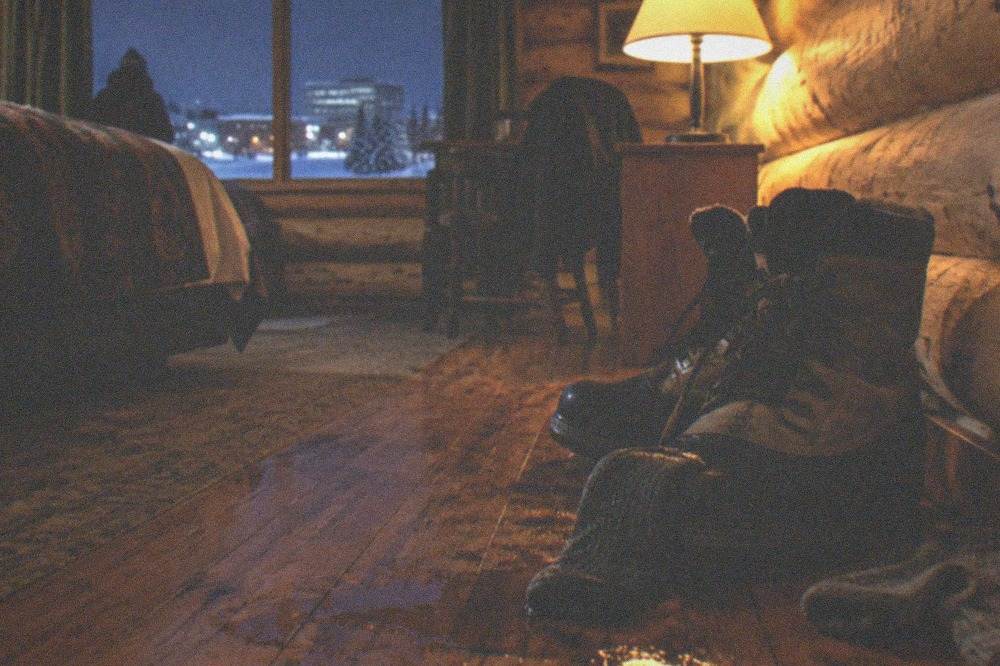
Format drives the extremity kit as much as the temperature does. The budget hilltop option at Murphy Dome, from $99 per person with a rating of 4.5 from 317 reviews, is the classic case for maximum boots and mittens: you stand at elevation, away from the vehicle, and the savings on the ticket are best spent on the kit that keeps you outside long enough for the sky to perform.
What Else Belongs In Your Day Pack For A Fairbanks Aurora Tour?
Pack hand and toe warmers, a headlamp with a red light mode, a thermos, snacks, a phone battery bank, and any medication you might need for a night that runs past midnight. Tours commonly return to Fairbanks late, and small conveniences are what keep a long, cold wait comfortable rather than merely endurable.
A headlamp with a red light mode is the item most visitors forget and most quickly regret. Aurora viewing sites are dark on purpose, and white headlamps and phone flashlights ruin everyone's night vision, yours and the strangers standing beside you. A red light preserves it while still letting you walk to a viewpoint or find a dropped glove. If your headlamp has no red mode, a small piece of red tape over the lens works. The rest of the planning pages sit on Fairbanks Aurora Borealis Tours.
Phone batteries die fast in the cold, faster than most travelers expect. Lithium batteries lose capacity sharply as temperatures drop, and a phone that lasts a full day at home can go from 60 percent to dead in an hour of aurora-night use in a coat pocket. Keep the phone in an inside pocket close to body heat, carry a charged battery bank and its cable, and consider a paper copy of your pickup details in case the phone is out of commission. Camera batteries obey the same physics, so seasoned aurora photographers carry spares in inner pockets, rotating a warm battery in when the cold one fades.
Food and hot drinks do double duty, comfort and calories. Standing in cold burns energy noticeably, and the body's fuel for staying warm comes from what you ate. A thermos of something hot, snacks that do not freeze solid, and more water than you think you want all help. Night lengths vary by product, the photography format with heated shelter and pizza runs 5 to 6 hours, so check your tour's stated duration and pack accordingly.
| Pack Item | Purpose |
|---|---|
| Headlamp with red light | Move around without killing night vision |
| Hand and toe warmers | Supplement gloves and boots on long stops |
| Thermos | Warm drinks hold body temperature up |
| Snacks | Cold standing burns calories; choose items that stay chewable |
| Battery bank and cable | Phones and cameras drain fast in cold |
| Spare socks and glove liners | Dry replacements double your comfort margin |
| Medications | A night out runs past midnight; carry what you might need |
A few disposables round out the list. Tissues, lip balm, and a small towel for condensation on camera glass are all cheap and all missed when absent. None of this is specialized equipment, which is the point: the day pack is ordinary items chosen with the cold in mind. For a longer stay, the same logic scales up, and the tour policies for cloudy Fairbanks nights guide covers what happens to your booking when the sky does not cooperate, which is weather-adjacent planning worth doing before you pack.
The photography format is the clearest example of a tour designed around the cold-weather problem: heated shelter, pizza, and aurora viewing in one 5 to 6 hour package, from $300 per person with free cancellation on the listing and a 5 rating from 14 reviews. It suits travelers who want the full kit carried for them rather than worn all night.
Dressing For Heated Lodges Versus Open Hilltops Near Fairbanks
Lodge and yurt formats let you watch through north-facing glass from a heated space, so you need fewer layers, while open hilltops demand the full three layer system plus serious boots and headwear. The warmth difference between formats is large enough to shape your entire clothing choice, so match the kit to the format you booked.
The roster on this site splits roughly into two physical experiences. In the first, you spend the night in or near a heated building: a lodge with big north-facing windows, a yurt with a warm interior, or a 270-degree glass house with hot drinks. In the second, you stand at a hilltop or open clearing, moving between the van and the sky. The same -15F night is two different packing problems.
The glass house format at Cleary Summit is a useful example of the warm extreme: floor-to-ceiling windows across a 270-degree view, hot drinks and snacks included, from $179 per person, rating 4.4 from 38 reviews, and carrying a "Likely to sell out" badge on the listing. You can watch in a light mid layer and only suit up for photographs outside. The lodge and yurt format at $160 per person, 4.5 from 34 reviews, works similarly, with transport from major Fairbanks hotels and heated interiors between viewing windows.
| Format | Warmth Level | Layering Approach | Roster Example |
|---|---|---|---|
| Heated lodge or yurt | High, warm interior with glass views | Base plus removable mid layer; full kit for outside steps | Lodge and Yurt Aurora Viewing, from $160 per person |
| Glass house | High, seated warmth, drinks included | Light layers, shell only for outside photography | 270-degree glass house, from $179 per person |
| Small-group chase | Medium, warm van between stops | Full three layers you can shed in the vehicle | Premium Aurora Viewing Tour, from $335 per person |
| Open hilltop | Low, standing outside for long stretches | Everything, plus maximum boots and mittens | Budget hilltop at Murphy Dome, from $99 per person |
The middle formats, the mobile chases, have their own logic. A premium small-group chase from $335 per person, rated 5 from 789 reviews, keeps a heated vehicle between viewing stops, so you cycle between warm and cold all night. That argues for layers that go on and off quickly: a mid layer with a full zip, gloves that pull on fast, a hat you can stuff in a pocket. The hot springs combination tour from $275 per person, 4.5 from 1,342 reviews, adds its own twist, an outdoor hot springs pool at the Chena resort where you will want a swimsuit under everything and a fast-drying towel.
A swimsuit is the most forgotten item on this entire site. Travelers arrive fully equipped for -15F and discover that part of their evening is spent in a steaming outdoor pool, in the dark, with the aurora overhead. The pool house at Chena Hot Springs Resort is open 7am to 11:45pm daily year-round, and changing facilities are on site. Pack the suit, a towel, and sandals you can walk to the pool in, then dry off completely before redressing in the cold, because damp skin or hair loses heat dangerously fast at those temperatures.
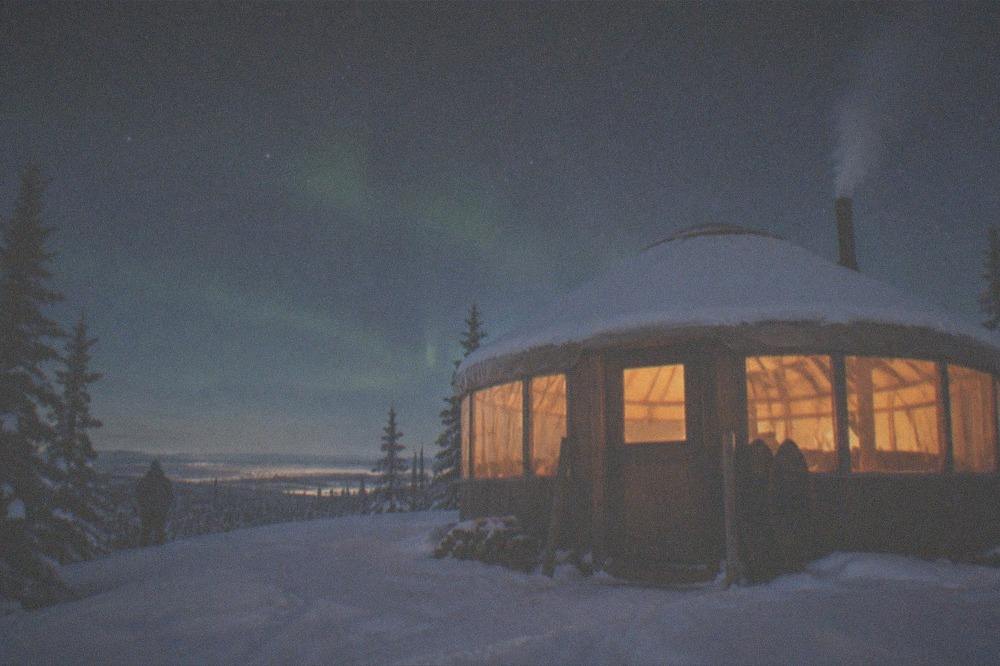
The lodge and yurt format remains the friendliest option for mixed-ability groups, older travelers, and anyone whose cold tolerance is honestly limited. Large north-facing windows mean the sky is visible from warmth, and stepping outside is a choice rather than a requirement. The listing states a rating of 4.5 from 34 reviews, from $160 per person, and free cancellation.
How Daylight, Wind And The Forecast Shape Your Aurora Night Kit
On the winter solstice Fairbanks gets about 3 hours 41 minutes of daylight, lengthening to about 10 hours by late February, so you will be out in full darkness regardless of month. Check the UAF Geophysical Institute forecast and the local cloud forecast the same day, and pack spare batteries and warmers, which both fade fast in the cold.
Darkness is not a variable in Fairbanks aurora season, it is a constant. Sunrise near 10:58am and sunset near 2:40pm on the shortest day mean every tour night is fully dark from pickup to dropoff, with no evening twilight to warm the transition. Longer nights in December and January simply give operators more viewing hours, not warmer ones. Do not conflate the two: more hours of dark is good for the odds of a sighting, and it is neutral to negative for your body temperature.
Wind deserves a specific mention because visitors overestimate it. Fairbanks winters average 6 to 7 mph winds, calm by the standards of almost anywhere else that gets this cold, and that stillness is why the three layer system, with its emphasis on insulation over windproofing, works so well here. The exception is elevation and exposure. A hilltop clearing at Murphy Dome or Cleary Summit will catch more moving air than a sheltered valley site, and a modest 15 mph breeze at -10F changes the calculus on your shell layer. The National Weather Service Fairbanks office issues frequent winter weather advisories for snow, blowing snow, and slick roads across Interior Alaska, so check the forecast and road conditions before any night with driving involved.
The aurora forecast is a separate question from the weather forecast, and both matter to your kit. The UAF Geophysical Institute aurora forecast publishes a daily 3-day outlook built on the Kp index, a 0 to 9 scale of planetary geomagnetic activity. Fairbanks sits under the auroral oval at roughly 64.8 degrees north, so visible aurora is often possible at fairly low Kp values, roughly 2 to 4, when skies are clear. The practical packing implication is simple: on a night with a strong forecast you may stay out longer, standing through the display, so carry more warmers and a bigger snack reserve than a quiet night requires.
Batteries deserve one final word because cold affects them more than any other item on the list. Keep spares warm in an inside pocket, rotate them when the cold one fades, and expect a phone that normally lasts all day to need the battery bank before midnight. A paper copy of pickup details, printed or written, is the low-tech backup that costs nothing and has rescued more than one frozen-phone tourist.
A Sample Packing List For A Three Night Fairbanks Aurora Trip
For three aurora season nights, pack two full base layer sets, one insulating mid layer, one shell, one warm hat and gaiter, two glove options, insulated boots, spare socks, warmers, a headlamp, a thermos, snacks and a battery bank. A three night stay is commonly cited as giving roughly a 90 percent chance of seeing the aurora, weather permitting.
Three nights is the standard recommendation for a Fairbanks aurora trip for a simple reason: the sky has to cooperate on at least one of them. The widely cited figure from Explore Fairbanks and repeated across destination sources holds that a three or more night stay during the season gives roughly a 90 percent chance of a sighting, weather permitting, with the aurora visible on about four of five clear nights. That is a commonly reported visitor statistic, not a guarantee, and no tour or night can promise a sighting, since the aurora is a natural phenomenon. What three nights do guarantee is that your clothing gets used repeatedly, so build the list for reuse and drying.
Dampness management is the recurring theme of a multi-night kit. Base layers and socks that do not fully dry overnight become tomorrow's cold, clammy problem, so merino or synthetic materials that dry fast are worth the premium, and a spare set means you never start a night in yesterday's moisture. Boots, gloves, and hats should be dried near, not on, a heater between nights. Hotel rooms in Fairbanks are warm, and a radiator will quietly cook gear left touching it.
| Category | Items | Quantity For 3 Nights |
|---|---|---|
| Base layers | Merino or synthetic tops and bottoms, no cotton | 2 sets |
| Insulation | Fleece or down mid layer, full zip preferred | 1 to 2 |
| Outer shell | Winter parka with hood, windproof or waterproof | 1 |
| Extremities | Insulated boots, winter hat, gaiter or balaclava | 1 of each |
| Hands | Glove liners plus insulated mittens or gloves | 1 pair each, plus spares |
| Feet | Heavy wool or synthetic socks | 3 to 4 pairs |
| Consumables | Hand and toe warmers, snacks, lip balm, tissues | Warmers in quantity |
| Electronics | Headlamp with red mode, battery bank, cables, camera spares | 1 of each |
| Extras | Thermos, swimsuit and towel for hot springs formats | As itinerary requires |
Renting rather than buying makes sense for one item. Serious insulated parkas and boots are expensive, and a single trip does not always justify them. Fairbanks has local winter gear rental options aimed at exactly this visitor, and a rental parka rated for Interior cold is a far better tool than a purchased fashion coat (see Fairbanks Vs Anchorage). Check availability before you fly, because winter rentals in a cold-weather tourist town can run tight in peak months.
The rest of the list is cheap. Warmers, a headlamp, a thermos, and socks together cost less than one tour ticket, and they improve every hour of every night. Spend the real money on boots and the mid layer, rent the parka if buying is impractical, and keep everything cotton out of the suitcase. For travelers combining aurora nights with other winter plans, the winter driving conditions around Fairbanks guide covers the road side of the same cold. That is also the place to start if your itinerary includes self-driving to a viewpoint rather than joining a tour.
Common Questions About What To Wear On A Fairbanks Aurora Tour
What should you wear on a northern lights tour in Fairbanks?
A three layer system: a merino or synthetic base layer, a fleece or down mid layer, and a windproof shell with a hood, plus insulated boots, a warm hat, a neck gaiter, and glove liners under insulated mittens or gloves. Pack for the monthly low, not the high, since tours run in the coldest hours. Bring spares, warmers, and a battery bank.
How cold is a Fairbanks aurora tour at night?
Verified monthly normals put November lows at -2 to -4F, December lows at -12 to -13F, and January lows at -16 to -17F, often the coldest month, with February near -10 to -11F and March near -3F. Aurora tours run after dark and into the early morning, so the low figures are the ones your clothing answers for.
Are jeans warm enough for a Fairbanks aurora night?
No. Cotton denim absorbs sweat, holds moisture, and loses nearly all insulating value once damp, and standing still for hours in it at -12F is a fast route to a miserable night. Wear a synthetic or merino base layer under a windproof insulated pant, and save the jeans for the flight home.
What boots work for standing outside in the Fairbanks winter?
Insulated boots with a manufacturer cold-temperature rating, a thick insulating sole, and enough room for a heavy wool sock without pinching. Circulation is the point: tight boots are colder than thin ones. Ordinary fashion winter boots meant for sidewalks will transmit the cold through to your toes on the first standing stop.
Do you need different clothing for a lodge tour versus a hilltop tour?
Yes. Heated lodge, yurt, and glass house formats let you watch through windows in a light mid layer, suiting up only to step outside, while open hilltop formats demand the full three layer system, maximum boots, mittens, and headwear for long standing stretches. Match the kit to the format you booked.
Should you pack a swimsuit for an aurora trip to Fairbanks?
Yes, if your tour includes Chena Hot Springs Resort. The outdoor hot springs pool there is open 7am to 11:45pm daily, year-round, and hot springs combination tours run from $275 per person. Wear the suit under your layers, dry off completely before redressing, and pack a fast-drying towel and sandals.