Fairbanks Winter Driving Conditions: What The Roads Are Really Like From December To March
Fairbanks winters average well below zero, the daylight window is short, and the roads reflect all of it. Here is what the record actually shows about driving in and beyond the city, and when it makes sense to let a specialty operator take the wheel.
Short answer
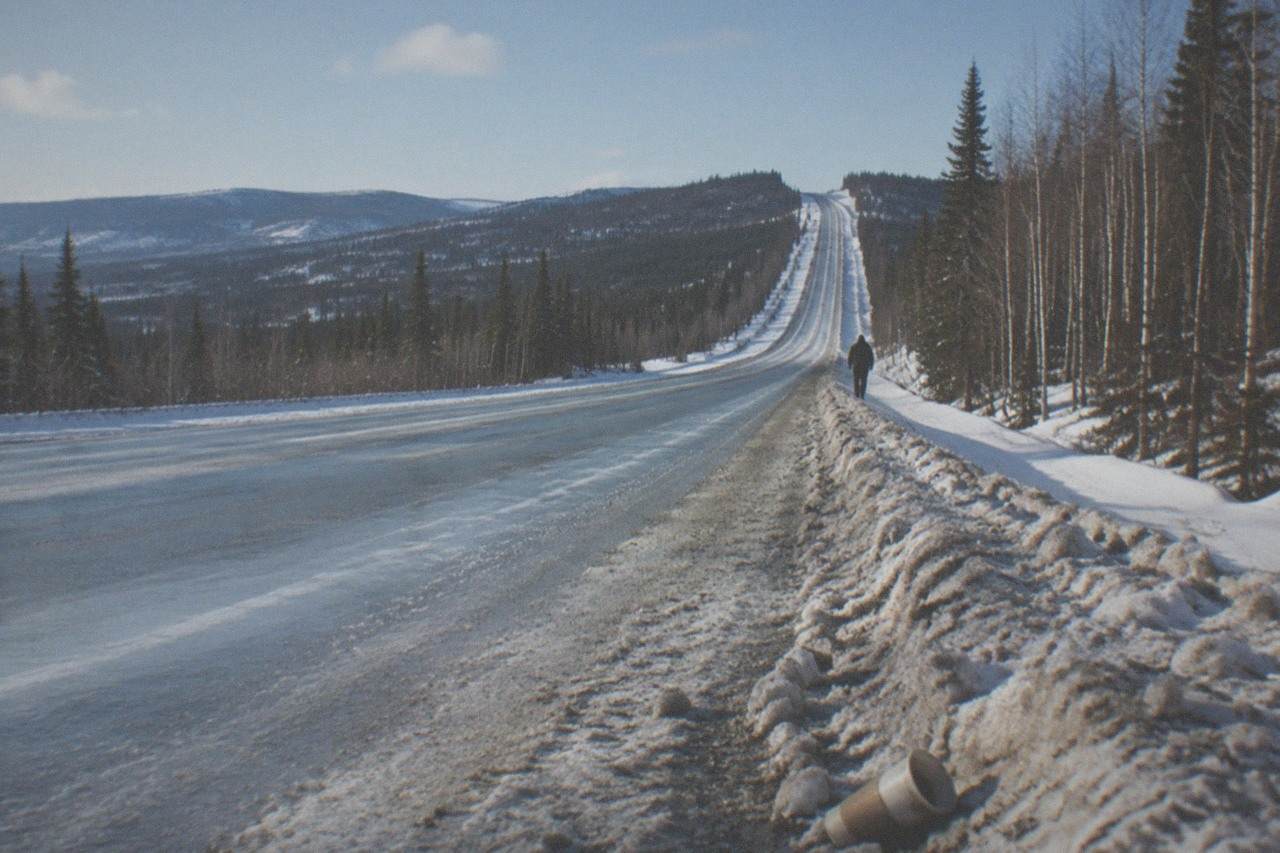
Fairbanks winter driving runs from cold, ice-packed city streets to a 200 mile gravel highway north. National rental-car agreements mostly prohibit the Dalton Highway outright, and January temperatures average lows around -16F to -17F. A guided Arctic Circle day trip from about $330 per person solves the two hardest problems at once: a vehicle permitted on the road and a driver who runs it all winter.
Fairbanks Winter Driving Conditions: What The Roads Are Really Like From December To March
The winter of 2025-26 was the coldest on record for Fairbanks, with a December to March average of nearly -14F, edging out the previous record set in 1965-66. That single fact shapes every road in the region: ice that never fully melts, gravel surfaces that stay slick, and a daylight window that shrinks to roughly 3 hours 41 minutes on the solstice. For visitors chasing the aurora between August 21 and April 21, the season window lines up almost exactly with the hardest driving months, so the question of whether to rent a car or book a tour is not a comfort question, it is a safety and legality question.
What Are Winter Road Conditions Like In Fairbanks Itself?
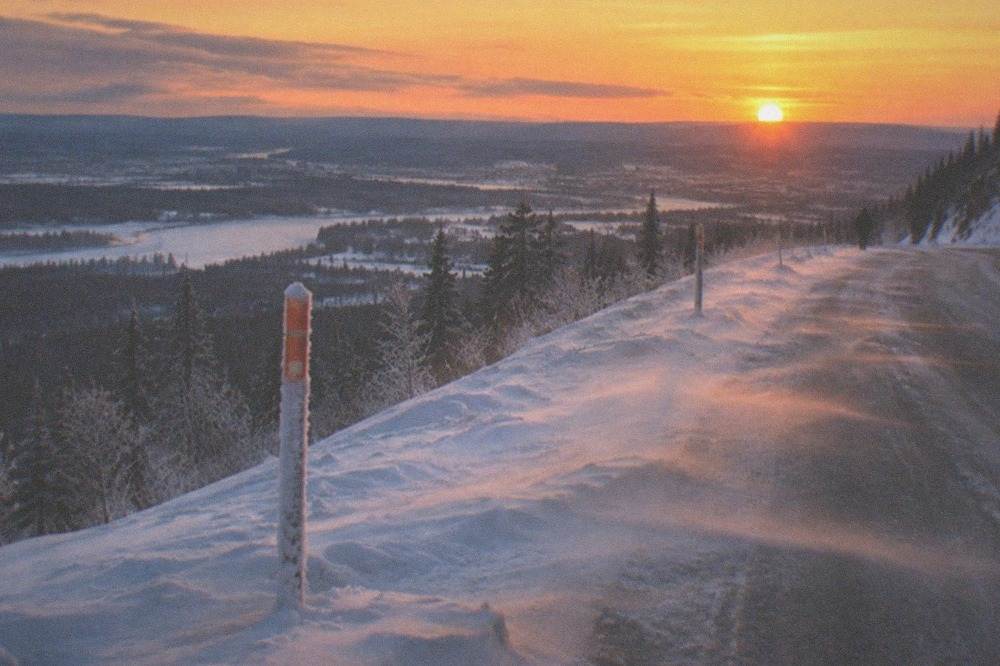
Fairbanks city and highway driving in winter is cold, dark and ice-covered but routinely manageable, with maintained roads, posted advisories and a 511 system for current conditions. Interior Alaska's cold-air pooling means long stretches of hard-packed ice rather than fresh snow, and daylight shrinks to roughly 3 hours 41 minutes on December 21, lengthening to about 10 hours by late February. The city itself is not the hard part of a Fairbanks winter drive.
The paved roads around town and along the main highway corridors are plowed and sanded through winter, and local drivers run on studded tires, which is legal in Alaska from fall through spring. The National Weather Service Fairbanks office issues frequent Winter Weather Advisories for the Interior, typically flagging snow accumulations of 2 to 8 inches, gusts of 35 to 50 mph in passes, visibility down to half a mile, and icy bridges. The standing advice in every advisory is the same: slow down, take extra care on bridges and overpasses, and check current road conditions before setting out.
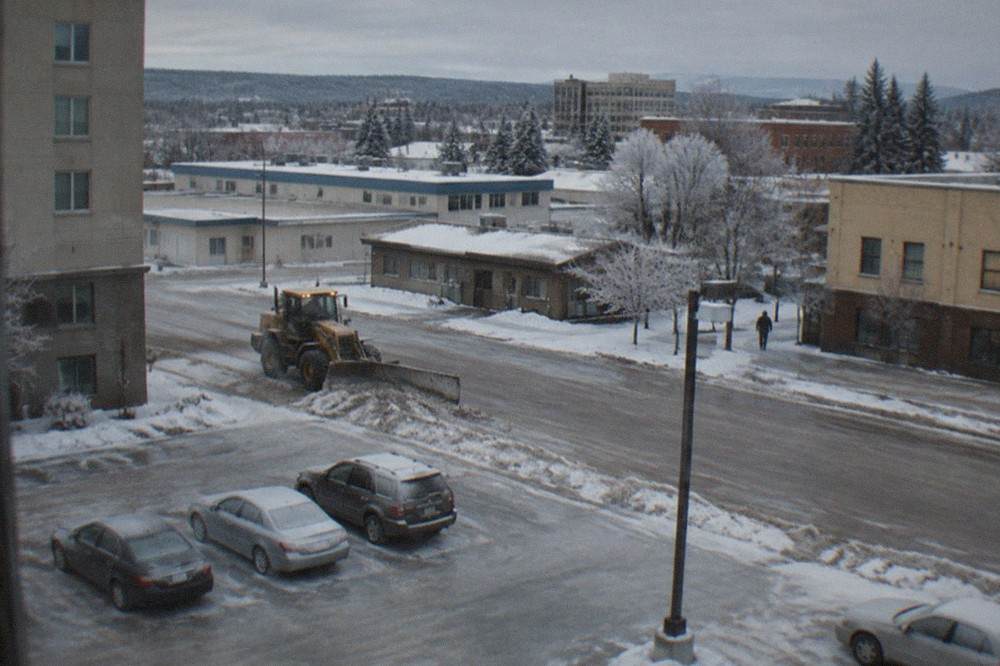
What catches visitors off guard is less the snow than the duration of the cold. Monthly normals put January, usually the coldest month, at highs around 1 to 2F and lows around -16 to -17F. December runs highs of 4 to 5F and lows around -12 to -13F, and even March only reaches highs of 25 to 27F with lows near -3F. Under that, ice does not melt; it just gets polished. A parking lot in March can be as slick as one in January.
| Month | Average High | Average Low | What It Means For Driving |
|---|---|---|---|
| November | 12 to 14F | -2 to -4F | First sustained ice; early snow events begin |
| December | 4 to 5F | -12 to -13F | Very short days; hard-packed ice everywhere |
| January | 1 to 2F | -16 to -17F | Coldest month; fuel gelling risk, brittle ice |
| February | 12 to 13F | -10 to -11F | More daylight; refreeze black ice persists |
| March | 25 to 27F | Around -3F | Milder afternoons but ice lingers in shade |
The practical takeaway is that a rental car works fine for getting between a Fairbanks hotel, a restaurant and a local aurora viewpoint on cleared nights. It stops being a simple call the moment the plan involves the highway north.
Why Is The Dalton Highway A Different Category Of Risk?
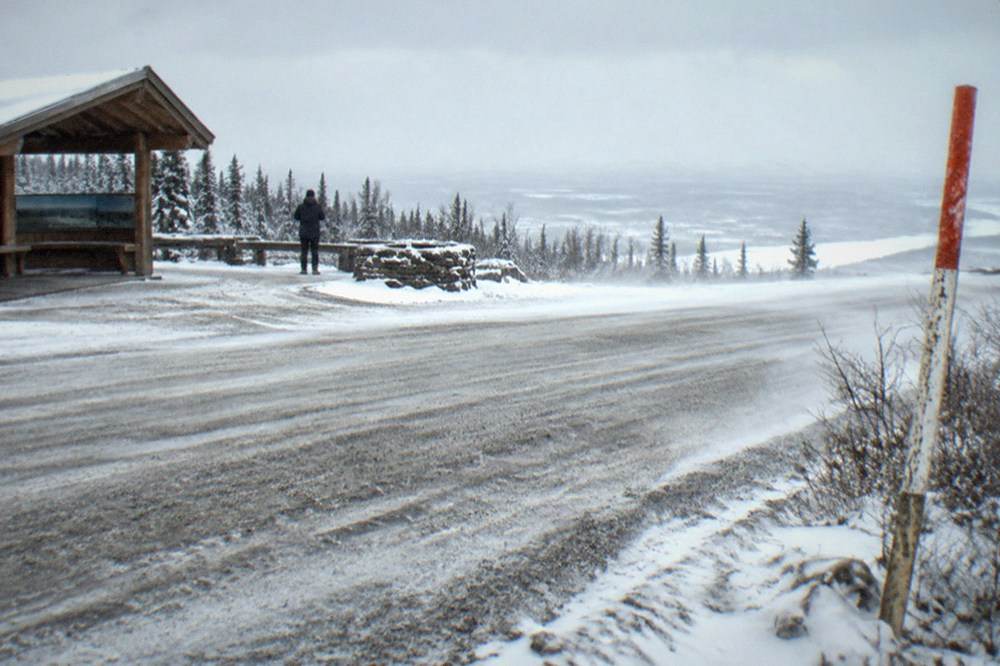
The Dalton Highway, the gravel road to Prudhoe Bay, carries snow, ice at Atigun Pass at roughly 4,739 feet, blowing snow and refreeze black ice, and it stays in winter condition from early August through June. National rental-car agreements mostly prohibit driving it or void coverage, which means most visitors cannot legally take a standard rental to the Arctic Circle marker at milepost 115 at all.
The Bureau of Land Management's Arctic Interagency Visitor Center is blunt on this point: most major national rental-car companies prohibit driving the Dalton or void insurance coverage for it, and only specialty and local Fairbanks operators typically permit their vehicles on the road. That is the single most operationally significant driving fact for an aurora visitor with Arctic Circle ambitions, because it removes the decision from the weather discussion entirely. Even on a clear, calm night, the standard rental agreement already said no.
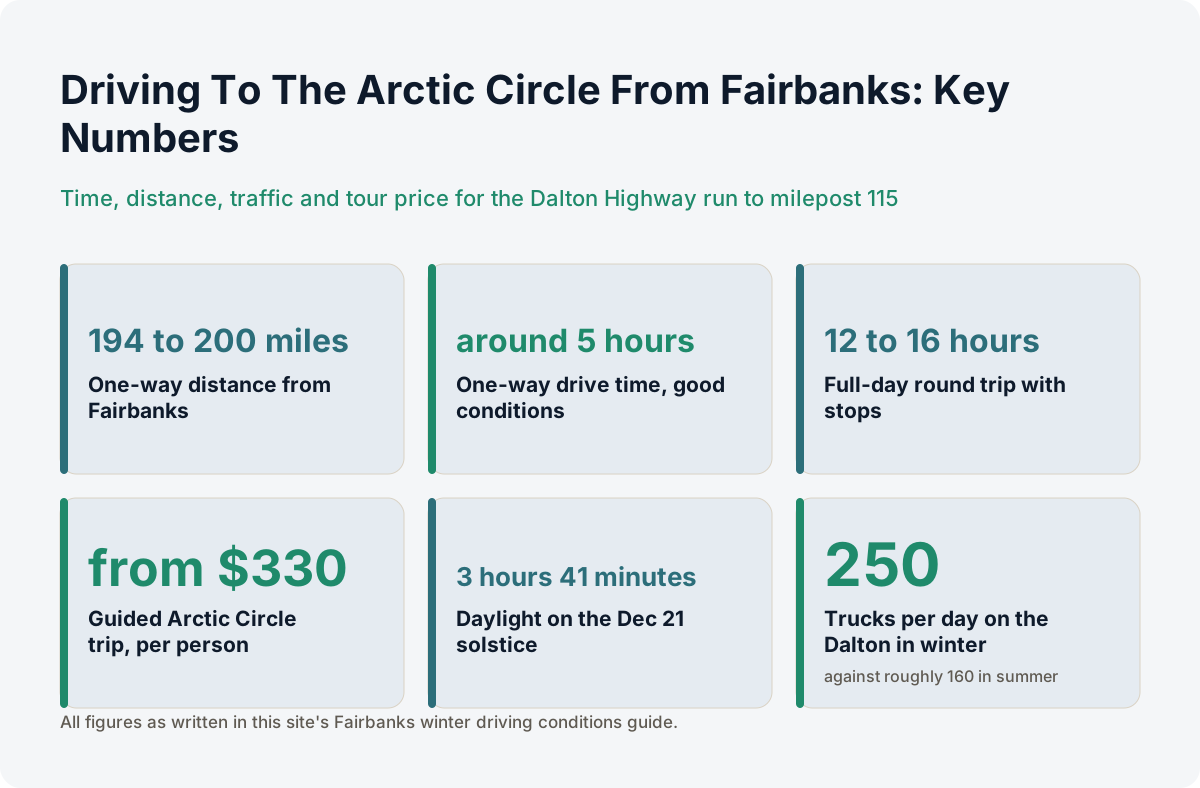
The road itself compounds it. The marker sits at milepost 115, roughly 194 to 200 miles from Fairbanks, with a one-way drive commonly cited around 5 hours under good conditions and full-day round trips running 12 to 16 hours once stops, truck traffic and conditions are factored in. Winter adds the specific hazards the research verifies: snow and ice, blowing snow and reduced visibility, and refreeze that creates black ice, with Atigun Pass at roughly 4,739 feet a named hazard point well north of the marker.
| Factor | Fairbanks Area Roads | Dalton Highway North |
|---|---|---|
| Surface | Paved, plowed, sanded | Gravel, graded but snow/ice covered |
| Rental agreements | Standard coverage applies | Mostly prohibited or voided |
| Typical hazards | Black ice, icy bridges | Blowing snow, Atigun Pass ice, refreeze |
| Winter season | Roughly October to April | Early August through June |
| Drive time from Fairbanks | Minutes to an hour | About 5 hours one way to the marker |
Alaska DOT notes winter conditions on the Dalton can persist from early August through June, and travelers are advised to check 511.alaska.gov for real-time conditions. Daily truck traffic actually increases in winter, with around 250 trucks a day against roughly 160 in summer, which matters for visibility and passing on a narrow gravel road in the dark.
Is A Guided Arctic Circle Day Trip The Practical Alternative To Driving Yourself?
For the specific drive to the Arctic Circle marker, yes, and the reason is mostly contractual rather than climatic. Most visitors cannot take a standard rental onto the Dalton Highway, so a specialty operator with vehicles permitted on the road solves the access problem directly. A full-day guided trip also splits the 12 to 16 hour commitment, letting one experienced driver handle a gravel highway in the dark while passengers sleep on the return leg.
The full-day Arctic Circle trip on this site's roster runs from $330 per person, carries a 4.5 rating from 171 reviews, and includes the Dalton Highway drive to the marker with a return aurora hunt ending around 3am. It carries free cancellation on the listing, and it is flagged "Likely to sell out", which is the listing's own badge rather than a claim from this page. Pickup is from the Fairbanks area, with the exact meeting point shown on the listing.
The itinerary structure is what makes it work as a driving decision. The outbound leg covers the Trans-Alaska Pipeline corridor, the Yukon River crossing and the marker at milepost 115 in daylight hours, and the aurora hunt happens on the way back south, timed to the dark window rather than fighting it. The person behind the wheel runs the road all season, and the operator holds the vehicle permissions a national rental agreement does not.
There is also a cost logic to it. The trip's from-$330 per person price sits between what a specialty rental, fuel for the nearly 200-mile run each way and a permitted driver would run, without the cold roadside risk if something goes wrong at milepost 80 in January.
Which Aurora Tours Avoid Remote Winter Driving Altogether?
Not every aurora night needs a long drive at all. Lodge and hot springs tours run shorter distances on maintained roads, with pickup from major Fairbanks hotels, and a hilltop or glass house viewing option keeps the whole evening within an hour or two of town. These formats trade the deep-distance Arctic Circle experience for a heated space, hot drinks and a shorter, safer winter drive.
The roster's lodge-based options illustrate the spread. The Alaskan Northern Lights lodges product runs lodge and yurt aurora viewing with transport from major hotels, from $160 per person, 4.5 from 34 reviews, with free cancellation on the listing. The Aurora Glass House Experience at Cleary Summit sits in a 270-degree glass house with hot drinks and snacks, from $179 per person, 4.4 from 38 reviews, and carries the listing's own "Likely to sell out" badge. The budget end is the Murphy Dome hilltop tour at from $99 per person, 4.5 from 317 reviews.
| Tour | Format | From Price Per Person | Rating | Winter Drive Burden |
|---|---|---|---|---|
| Full-Day Arctic Circle trip | Dalton Highway day trip, 3am return | $330 | 4.5 from 171 reviews | Highest; specialty operator only |
| Chena Hot Springs combo | Resort hot springs plus aurora | $275 | 4.5 from 1,342 reviews | Moderate; paved road, about 1 to 2 hours |
| Alaskan lodges viewing | Lodge and yurt, hotel transport | $160 | 4.5 from 34 reviews | Low; operator handles pickup |
| Glass house, Cleary Summit | 270-degree glass house, hot drinks | $179 | 4.4 from 38 reviews | Low; hilltop near Fairbanks |
| Murphy Dome hilltop | Budget hilltop viewing | $99 | 4.5 from 317 reviews | Low; close to town |
For a middle path, the Chena Hot Springs combo at from $275 per person, 4.5 from 1,342 reviews, reaches a resort roughly 60 miles northeast of Fairbanks on Chena Hot Springs Road, a paved route of about 1 to 2 hours, and pairs the hot springs with aurora viewing. It is the roster's most-reviewed listing and a reasonable pick for a traveler who wants distance and warm water without gravel. The Aurora Ice Museum inside the resort, held at a constant 25F with 45-minute tours, is a separate resort admission at $20 for adults, not part of the tour price.
How Should You Read Weather Advisories And Plan A Driving Night?
Read the National Weather Service Fairbanks advisories, then 511.alaska.gov for road status, then the UAF Geophysical Institute forecast for aurora activity, in that order. Advisories for the Interior typically name snow totals, gusts in the passes and reduced visibility. The aurora forecast matters last, because no Kp value overcomes a closed or hazardous road.
The order matters more than visitors expect. The University of Alaska Fairbanks Geophysical Institute publishes a 3-day aurora forecast updated daily, built on the Kp index, a 0 to 9 planetary geomagnetic scale. Fairbanks sits under the auroral oval at roughly 64.8 degrees N, so visible aurora is often possible at Kp values of roughly 2 to 4, lower than mid-latitude locations need. But the Kp index is a global predictor, not a local one, and it says nothing about whether the road to your viewpoint is passable.
The advisory specifics are worth knowing by shape. Interior advisories typically flag snow accumulations of 2 to 8 inches, winds gusting to 35 to 50 mph in passes, and visibility dropping to half a mile or less, with the same standing instructions: slow down and take extra care on bridges and overpasses.
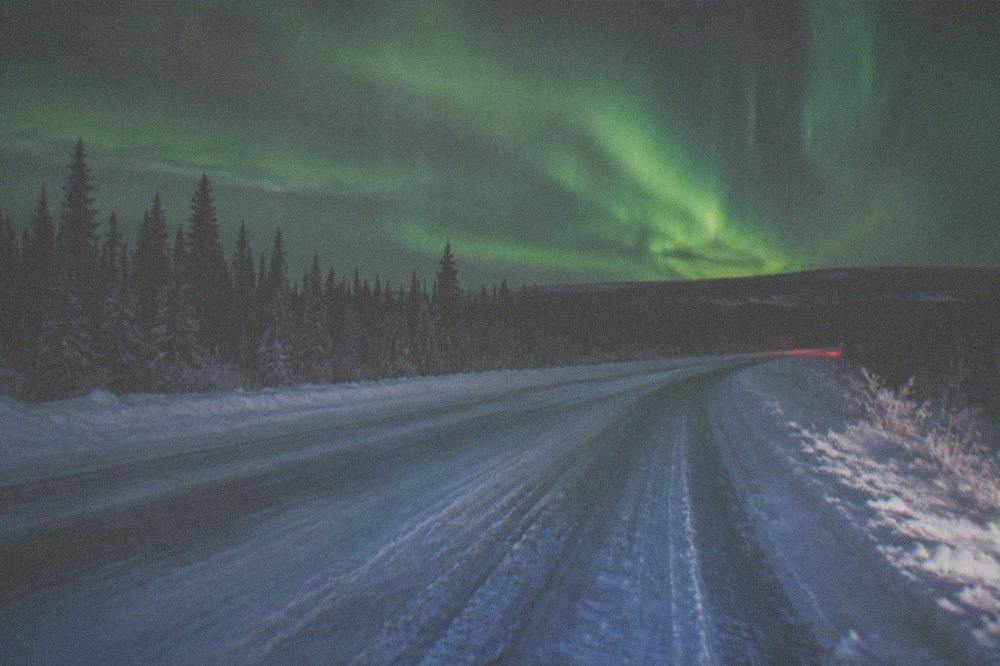
Timing is the other lever. December through February nights run 20 hours or more of darkness, which is excellent for aurora hours but means most of any drive happens in the dark on ice. By late February, daylight stretches to about 10 hours and road surfaces warm slightly, though the normals still show February lows around -10 to -11F, so ice does not leave. More darkness means more viewing hours; it does not mean a higher chance of clear sky, and the two get conflated constantly in trip planning.
A practical sequence for a driving night in the Fairbanks area: check any active advisory, check 511 for the specific corridor, glance at the UAF forecast to know whether activity is worth going out for at all, then decide. If the plan involves the Dalton, replace step four with a tour booking.
What Does Solar Cycle 25 Mean For Winter Trips In 2026 And After?
Solar Cycle 25 passed its smoothed sunspot peak of around 160.9 in October 2024 and is declining, with the number near 99.8 by February 2026, but geomagnetic activity, the more direct aurora driver, has stayed relatively elevated into 2026. Significant storms are expected to become less frequent as the cycle heads toward its next minimum around 2030. For planning, that argues for booking the winter you can actually make rather than waiting for a perfect one.
The honest framing matters here because the loud version, that 2026 is the best year ever, is not what the data supports. What the data supports is a cycle past its sunspot peak with geomagnetic activity still active, which is a reasonable window, not a historic one. The site's own Fairbanks Aurora Borealis Tours roster does not promise a sighting on any product, and neither should any planning assumption; the aurora is a natural phenomenon and the odds work over nights, not over any single drive.
A commonly cited figure from the destination marketing organization holds that a 3-plus-night stay in the season gives roughly a 90 percent chance of seeing the aurora, weather permitting, with the lights visible on about 4 of 5 clear nights. That is a multi-night figure, and it is exactly why the driving question and the lodging question connect: every night you can get out to dark sky, safely, is a night that counts toward the total. A guided tour on the rough nights and a rental for the close-in ones is a common split.
Which Questions Should You Settle Before Booking A Winter Aurora Tour?
Settle four things in order: whether the destination needs a permitted vehicle, what the cancellation terms are, what the weather window looks like, and how many nights you have. The Dalton Highway answers the first question on its own, since most rental agreements exclude it, and the cancellation question varies by listing, with only some carrying free cancellation. The last two are about stacking nights, since the widely cited odds depend on a multi-night stay, not one evening.
Cancellation terms are worth reading closely because they differ across the roster and this page will not blur them. The full-day Arctic Circle trip, the lodges product and the glass house all carry free cancellation on their listings. Cancellation terms for the Chena Hot Springs combo are unstated, so check the listing. The guided lodge viewing product and the private tour option explicitly do not, and the remaining listings state no policy either way, so check the listing itself for those (see Private Aurora Tours). Weather-driven changes are a real category in Interior Alaska, and knowing the terms before a storm advisory lands is cheaper than learning them after.
The night-count question folds into the driving question. If you have three or more nights, a mix works: one long guided day to the Arctic Circle, one resort or lodge evening, and one flexible night for whatever the forecast gives. If you have a single night, the closer formats, hilltop, glass house or lodge, protect more of the evening from drive time than any ambitious plan that eats hours on a risky road. More on stacking nights sits in the how many nights to stay in Fairbanks piece, and the deeper Arctic Circle trade-offs are worked through in is the Arctic Circle tour worth it.
The solo drive-up option, if you are weighing it anyway, is covered from the buyer's side in the Arctic Circle aurora tour guide, and the clothing side of standing outside at negative temperatures is handled in the what to wear on an aurora tour guide.
Between the tour formats, the comparison worth making is distance versus warmth: the Arctic Circle trip trades a 12 to 16 hour day for the deepest inland run on the roster, while the hot springs combo trades distance for a heated soak. A traveler who books both covers the range most winter visitors talk about afterward. The full format-by-format breakdown, including photography and dog sled options, is in the best northern lights tours in Fairbanks guide.
For travelers whose real constraint is the road itself rather than the cold, the lodge and yurt format is the gentlest entry point: transport from the major hotels is included, the viewing happens through large north-facing windows, and the drive stays short and paved. It is the option most often recommended to first-time winter visitors who want the aurora without the gravel-highway commitment.
Common Questions About Fairbanks Winter Driving Conditions
Is driving in Fairbanks in winter dangerous?
Maintained city roads and highway corridors are routinely driven all winter by locals on studded tires, and the National Weather Service advisories plus 511.alaska.gov give current conditions. The real step-change in risk is the Dalton Highway, which carries gravel, blowing snow, Atigun Pass ice and refreeze black ice, and is excluded by most national rental agreements. Drive the town like a local and leave the Dalton to a specialty operator.
Can you drive to the Arctic Circle from Fairbanks in winter?
The Arctic Circle marker sits at milepost 115 on the Dalton Highway, roughly 194 to 200 miles from Fairbanks, about a 5 hour one-way drive in good conditions. Winter conditions can persist from early August through June, and full-day round trips commonly run 12 to 16 hours. Most major national rental-car companies prohibit the road or void insurance coverage, so most visitors reach it on a guided tour with a specialty operator.
How cold does it get driving around Fairbanks in winter?
Monthly normals put January, usually the coldest month, at highs around 1 to 2F and lows around -16 to -17F, with December lows near -12 to -13F and March still dipping to around -3F. The winter of 2025-26 averaged nearly -14F from December through March, the coldest on record, with the last above-freezing airport reading on Halloween 2025. Expect ice that never fully melts rather than dramatic single-night drops.
Should I rent a car or book a tour for aurora viewing in Fairbanks?
A rental covers the close-in case well: hotel to viewpoint on cleared roads on a calm night. It does not cover the Dalton Highway, where the rental agreement is the first barrier, and it puts the long northern round trip on your own hands in the dark. A common split is a rental or lodge tour for flexible nights plus one guided full-day Arctic Circle trip, from $330 per person, for the deep drive.
What road conditions information should I check before driving in Fairbanks?
Check National Weather Service Fairbanks advisories for snow totals, gusts and visibility, then 511.alaska.gov for the specific road status, then the UAF Geophysical Institute aurora forecast for activity. Advisories typically flag 2 to 8 inch snowfalls, gusts to 35 to 50 mph in passes and visibility down to half a mile, and consistently advise slowing down and taking care on bridges.
Is 2026 still a good winter to see the northern lights in Fairbanks?
Solar Cycle 25 is past its sunspot peak of around 160.9 from October 2024, with the number near 99.8 by February 2026, but geomagnetic activity has stayed relatively elevated into 2026. Significant storms are expected to become less frequent as the cycle declines toward its next minimum around 2030, so the honest read is a good window rather than a historic one. The widely cited figure of roughly 90 percent odds applies to a 3-plus-night stay in season, weather permitting, not to any single night.