Aurora Tour Cancelled On A Cloudy Night In Fairbanks: What The Policies Actually Say
Cloud cover is the single most common reason an aurora night disappoints, and Fairbanks listings treat cancellation three very different ways. This guide walks through what each policy tier on the current roster actually says, what a cloudy sky means for your booking, and how to check a listing before you commit.
Short answer
Of the 13 tours on this roster, 5 state free cancellation, 2 explicitly do not offer it, and 6 state no policy either way. No Fairbanks tour guarantees a sighting because the aurora is a natural phenomenon. On a cloudy night the outcome depends on each operator's own terms, so read the listing before booking.
Aurora Tour Cancelled On A Cloudy Night In Fairbanks: What The Policies Actually Say
Fairbanks sits under the auroral oval at roughly 64.8 degrees north, which is why the city markets itself as an aurora destination with a viewing season that runs from August 21 to April 21, per the official destination marketing organization. What the marketing rarely spells out is the contractual side: what happens to your money when a wall of cloud sits over the viewing hill, and whether the operator owes you a rebooked night or nothing at all. The honest answer is that Fairbanks aurora listings split cleanly into three camps, and assuming one universal rule applies across all of them is the fastest way to lose the cost of a ticket.
This page exists because the question is searched constantly and answered badly. The three-way policy split on the current 13-listing roster is real and verifiable, five listings state free cancellation, two explicitly do not, six say nothing either way. The aurora itself is never guaranteed by anyone, a point the UAF Geophysical Institute forecast page reinforces by publishing probabilities rather than promises. What follows is a section-by-section walkthrough of each tier, the cloudy-night scenario, and the checks worth making before you book any of them.
What Actually Happens To A Fairbanks Aurora Tour On A Cloudy Night?
On a cloudy night most Fairbanks aurora tours still run, because the operator cannot know hours in advance whether a gap will open, and the tour is sold as transportation, shelter, and guiding rather than as a sighting. The aurora is a natural phenomenon and no listing on this roster promises it. Whether you get a refund, a rebook, or neither on a clouded-out night depends entirely on each operator's own stated terms.
The first thing to understand is that operators and guests often mean different things by "cancelled." A tour is cancelled when the operator calls it off: extreme cold, a road closure, a vehicle problem, or occasionally a forecaster's judgment that the night is hopeless. A tour that runs under cloud is not cancelled in the operator's eyes, you were transported, hosted, and guided exactly as the listing described, and the sky simply did not cooperate. Most disputes on review threads trace back to this gap between what the guest expected and what the listing promised.
The second thing is that Fairbanks cloud is patchy in a way that rewards patience. Interior Alaska's cold, dry winter air produces a lot of clear or partly clear nights, and the commonly cited figure from the destination marketing organization is that the aurora is visible on about four of five clear nights in season, with roughly a 90 percent chance of seeing it over a stay of three or more nights, weather permitting. That "weather permitting" clause is doing real work, and a widely repeated statistic is not a contract.
Practically, a cloudy-night decision tree looks like this: if the operator cancels, the stated cancellation policy governs; if the tour runs and you skip it, the no-show terms govern; if you ride out and see nothing, the sighting policy, which on this roster is always "no guarantee," governs. Reading the listing before booking collapses all three branches into a two-minute job. If you want a broader view of the format before worrying about terms, start with the what happens on a Fairbanks aurora tour walkthrough.
Which Fairbanks Aurora Listings State Free Cancellation?
Five of the thirteen listings on this roster explicitly state free cancellation: the lodge and yurt viewing tour, the Cleary Summit glass house, the Electric Moose photography adventure, the full-day Arctic Circle trip, and the moonlight dog sled with aurora viewing. Free cancellation here means the listing carries that policy as written by the operator; the exact cutoff window before departure is stated on each live listing and varies, so read the terms before relying on it.
This tier is the comfortable one for a nervous planner. The five listings span every format on the roster, from free-cancellation lodge viewing at from $160 per person up to a full-day Arctic Circle drive at from $330 per person, so free cancellation is not a premium feature reserved for expensive products. It is simply a policy choice each operator made when publishing the listing.
| Listing | Format | Price (per person) | Rating and reviews | Stated cancellation |
|---|---|---|---|---|
| Lodge and Yurt Aurora Viewing | Lodge and yurt viewing, hotel transport | from $160 | 4.5 from 34 reviews | Free cancellation on the listing |
| Aurora Glass House, Cleary Summit | 270-degree glass house, hot drinks | from $179 | 4.4 from 38 reviews | Free cancellation on the listing |
| Electric Moose Photography Adventure | Photography format, pizza, heated shelter | from $300 | 5 from 14 reviews | Free cancellation on the listing |
| Full-Day Arctic Circle Sign Trip | Dalton Highway drive, 3am aurora hunt | from $330 | 4.5 from 171 reviews | Free cancellation on the listing |
| Moonlight Dog Sled and Aurora | Dog sled, salmon dinner, yurt | from $320 | 4.5 from 140 reviews | Free cancellation on the listing |
Two of these five also carry a real urgency badge on their listings, reproduced verbatim as "Likely to sell out," and those are the glass house at Cleary Summit and the Arctic Circle full-day trip. That combination, free cancellation plus a sell-out flag, is the profile where booking early makes sense: you lock the date while seats exist, and the free-cancellation window gives you an exit if the forecast turns bad. The window is not unlimited, though. Free cancellation on a listing typically means free up to a stated number of hours before departure, and that number lives on the listing, not in any general rule.
The trio above spans the whole policy spectrum, which is exactly why it is worth comparing side by side: the lodge and yurt listing states free cancellation, the guided lodge viewing listing explicitly does not, and the private tour carries a from $160 price with a stated policy that also excludes free cancellation. Reading three listings takes five minutes and shows you how differently operators on the same hilltops write their terms.
Why Two Fairbanks Aurora Tours Explicitly Do Not Offer Free Cancellation
Two listings on this roster explicitly state that free cancellation does not apply: the guided lodge viewing tour with commentary at from $200 per person, and the private aurora tour with hotel pickup at from $160 per person. Both state this plainly, so a booking on either is a commitment from the moment you pay. On a cloudy night you either ride out as scheduled or contact the operator directly about rebooking.
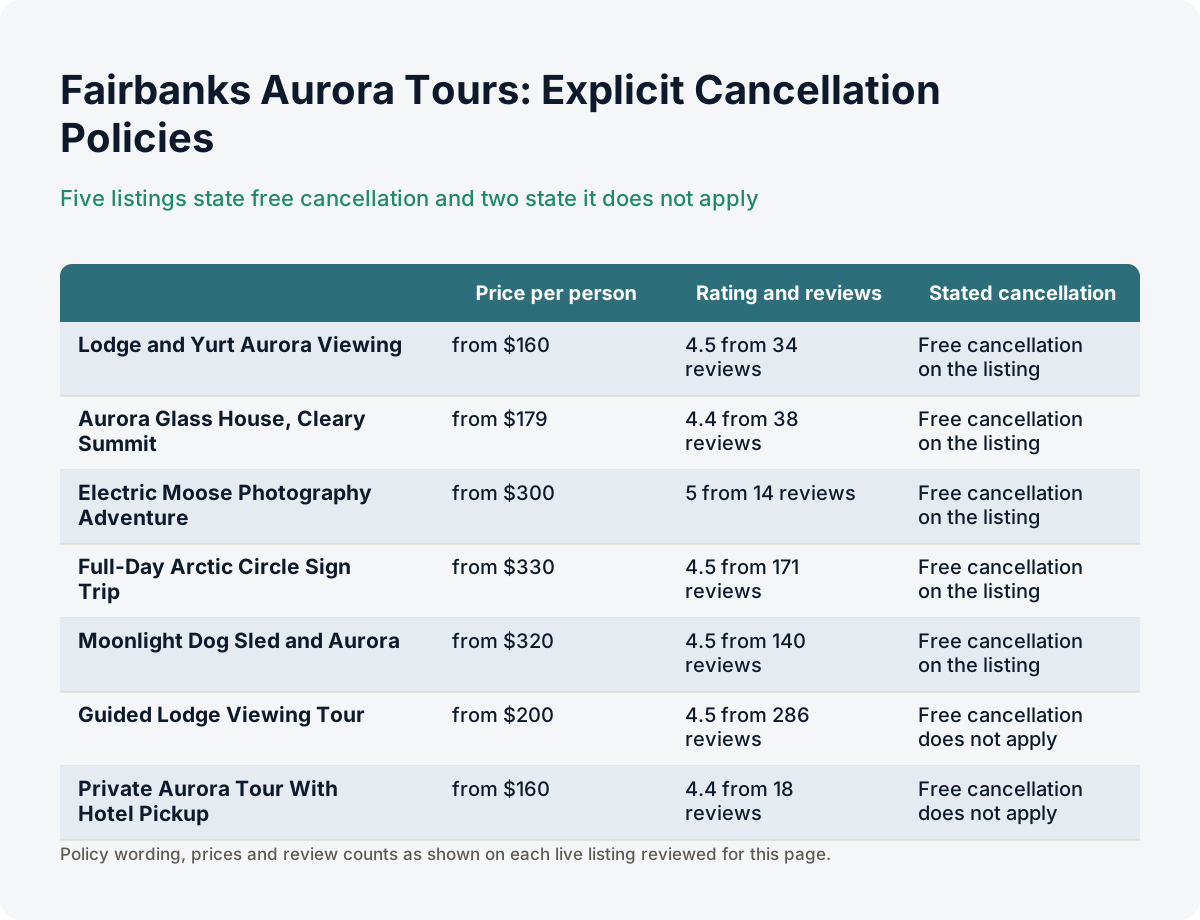
This is not a scandal, and it should not be read as one. The guided lodge viewing listing carries a 4.5 rating from 286 reviews, one of the deeper review pools on this roster, and the private tour carries 4.4 from 18 reviews. Operators that run fixed-capacity products, a lodge with a set number of heated seats, a private vehicle with a single party in it, often price in the cost of empty seats by removing the free-cancellation option rather than raising the ticket price for everyone. You are trading flexibility for a lower sticker price or a format that suits you better.
The mistake is booking these two while assuming the free-cancellation rule you read about on some other listing applies everywhere. It does not. These two listings state their terms explicitly, and the honest move is to treat them as fixed commitments: pick your date carefully, watch the forecast inside whatever rebooking window the operator offers privately, and accept that the published price buys the experience, not a weather hedge. If flexibility is the priority over format, the Fairbanks aurora viewing lodges and cabins guide lays out which shelter-based options carry which terms.
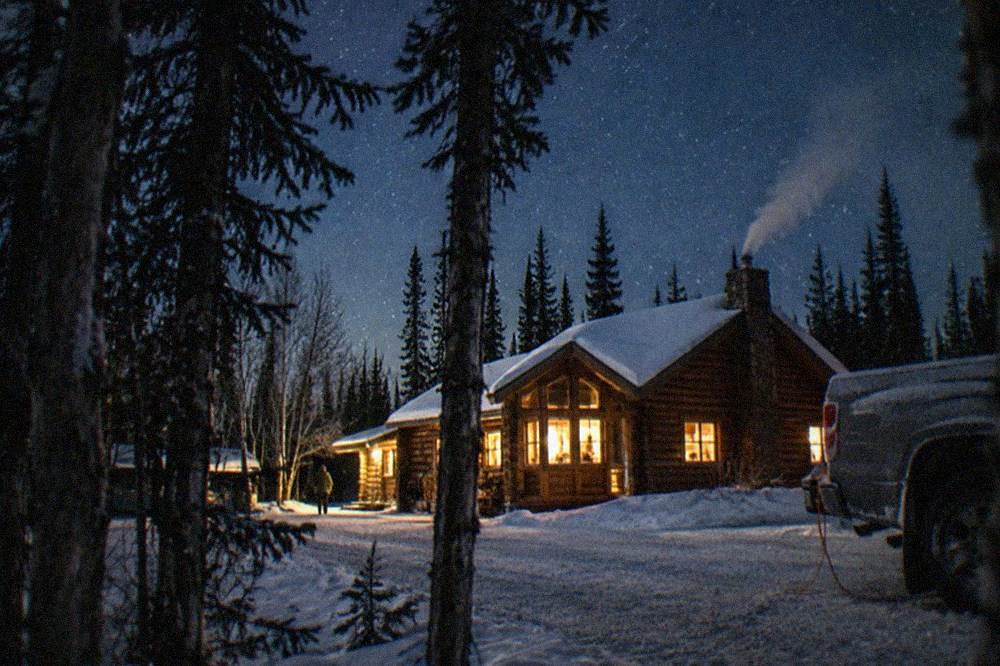
If you are still weighing dates, the lodge and yurt viewing listing is the one this page keeps returning to for a simple reason: it states free cancellation on the listing, it starts at from $160 per person, and it covers the basics a cloudy night demands, heated indoor viewing through large north-facing windows plus transport from major hotels. That combination means a bad forecast costs you nothing but the time spent rebooking.
What Does It Mean When A Listing Says Nothing About Cancellation?
Six of the thirteen listings state no cancellation policy in either direction: neither the word free nor a refund exclusion appears on them. The correct reading is "unknown," not "free," and not "nonrefundable." The only reliable way to resolve it is to open the operator's live listing and read the terms section, or message the operator before booking if the terms are still unclear after reading.
This is the tier that generates the most confusion, because silence looks like permission. It is not. A listing that does not state a policy has simply left the question open, and operators leave it open for a range of reasons: the policy may vary by season, by departure, or by how far ahead you booked. Treating an unstated policy as free cancellation is the single most common way a cloudy-night dispute starts, and it is entirely avoidable.
| Listing | Format | Price (per person) | Rating and reviews | Stated cancellation |
|---|---|---|---|---|
| Budget Hilltop, Murphy Dome | Budget hilltop viewing | from $99 | 4.5 from 317 reviews | Not stated on the listing |
| Premium Aurora Viewing Tour | Premium small-group chasing | from $335 | 5 from 789 reviews | Not stated on the listing |
| Small-Group Aurora Chase | Small-group chasing | from $215 | 5 from 557 reviews | Not stated on the listing |
| Ice Fishing and Aurora Combo | Ice fishing plus aurora viewing | from $239 | 5 from 121 reviews | Not stated on the listing |
| Photo Lessons and Portraits | Photography tour with lessons | from $385 | 5 from 245 reviews | Not stated on the listing |
| Hot Springs Combo, Chena Resort | Chena Hot Springs plus aurora | from $275 | 4.5 from 1,342 reviews | Not stated on the listing |
Note what this tier contains: some of the strongest-reviewed and most-booked formats on the roster, including the deepest review pool of all, the Chena Hot Springs combo at 4.5 from 1,342 reviews. A missing cancellation line does not signal a weak product. It signals a missing line, and you resolve it the same way regardless of the review count: open the live listing, find the terms section, and if the answer still is not there, ask the operator directly before paying. Most operators answer policy questions quickly because unanswered policy questions cost them bookings.
One more distinction matters here. "Cancellation" and "no-show" are different clauses. You may cancel a booking; you may also simply not show up, and a no-show clause almost never returns money on any tour anywhere. If clouds are forecast and you are tempted to skip a night you have paid for, contact the operator first rather than silently staying in your hotel, because a message costs nothing and sometimes opens a rebooking door that silence closes. For a deeper comparison of the formats themselves, the best northern lights tours in Fairbanks guide covers the whole roster side by side.
Do Any Fairbanks Aurora Tours Guarantee You Will See The Aurora?
No aurora tour on this roster guarantees a sighting, and none honestly could, because the aurora is a natural phenomenon driven by solar wind interacting with the magnetosphere. The strongest thing any listing can offer is favorable odds: Fairbanks sits under the auroral oval, so visible aurora is often possible at low Kp values, roughly 2 to 4, when skies are clear. Any product promising a sighting should be treated with suspicion, not booked.
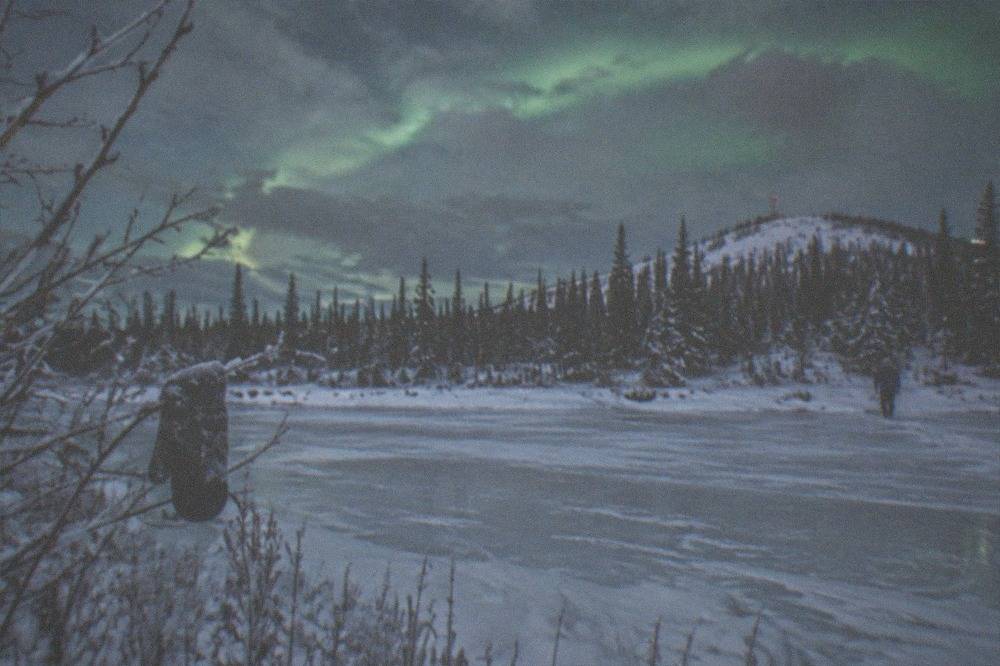
The physics is worth sixty seconds because it explains why the guarantees do not exist. Charged particles from the sun disturb Earth's magnetic field; the disturbance is measured globally as the Kp index on a 0 to 9 scale; stronger disturbances push the auroral oval southward. Fairbanks sits under the typical oval, which is why the city sees visible aurora at Kp levels that would produce nothing in, say, the midwestern United States. But Kp says nothing about clouds. A Kp 6 night under a solid overcast delivers nothing to a hilltop in Interior Alaska, and a Kp 2 night under clean sky can deliver a slow, photogenic display.
That is why the two questions, "will the aurora be active" and "will I see it," are genuinely separate, and why forecast tools answer only the first. The Geophysical Institute publishes its forecast daily, built on Kp, and a clear-sky check against a local weather source answers the second. A tour adds a third element: a guide willing to drive to a gap in the cloud, which is precisely what the chasing formats sell. For the mechanics of reading those tools yourself, the aurora forecast and Kp index explained guide breaks the index down for non-scientists.
| Cloud scenario | What the tour typically does | What you should check |
|---|---|---|
| Clear or partly cloudy forecast | Runs as scheduled | Nothing beyond your gear and pickup point |
| Broken cloud, moving fast | Runs; chasers may reposition to a gap | The operator's repositioning area and return time |
| Solid overcast, no gap | May still run; shelter formats often proceed | The listing's cancellation and rebooking terms |
| Operator cancels outright | Refund or rebook per stated policy | The exact stated policy on the live listing |
| You choose not to go | Counts as a no-show in most cases | Contact the operator before skipping, never silently |
The honest framing for a first-time visitor: book the tour for the format, the warmth, the transport, and the guiding, and treat the aurora as the strongly likely bonus that it statistically is in Fairbanks. The widely cited figure, roughly a 90 percent chance of seeing the lights over a three-night stay in season with clear weather, belongs to the visitor-information world, not to any operator's marketing, and it works precisely because it is a multi-night, weather-qualified claim rather than a single-night promise.
How Should You Read The Forecast Before A Cloudy Booking Window?
Check two separate sources before every aurora night: the UAF Geophysical Institute forecast for geomagnetic activity, and a local Fairbanks cloud-cover or sky forecast for the specific hilltop area. Activity and clarity are independent variables; a strong Kp night under overcast produces nothing, and a weak Kp night under clear sky can still produce a visible band. Neither source alone tells you whether the night is worth going out.
The order of operations on a viewing night matters less than the habit itself. Mid-afternoon, look at the activity forecast for the coming night and the night after. Early evening, look at the cloud picture for the specific hour window the tour runs, not the daily summary, because Interior Alaska cloud cover routinely changes between 8pm and midnight. If the picture is bad and your listing is one of the five that states free cancellation, that is your exit window: cancel inside the stated hours-before-departure limit and rebook a better night.
The glass house listing is the clearest example of the pattern in practice. It states free cancellation, it carries the "Likely to sell out" badge, and its whole format is built for the cloudy-night problem: a 270-degree heated room with floor-to-ceiling glass at Cleary Summit, so a partially clouded night still gives you a warm place to wait for a gap instead of standing on a hilltop. From $179 per person, 4.4 from 38 reviews. The badge means seats are tight on popular nights, so the sequence that works is book early, watch the forecast, and use the free-cancellation window only if the sky truly dies.
A note on chasing versus waiting: the small-group chasing formats sell mobility, the ability to drive out from under a local cloud bank toward a clearing, and that is a genuine asset on marginal nights. But mobility is not a guarantee either, because a regional system can cover every reachable clearing. The premium chasing listing on this roster, 5 from 789 reviews at from $335 per person, states no cancellation policy either way, so that flexibility in the sky comes with an unverified policy on the ground. Read the listing before booking it, exactly as with the other six in the unstated tier.
When Should You Rebook, Cancel, Or Just Show Up Anyway?
Cancel inside the free window when the forecast is hopeless and your listing allows it; rebook when the operator offers it and the same trip runs on later dates; show up anyway when the listing has no stated policy and the forecast is merely marginal. Marginal Fairbanks nights produce sightings surprisingly often, because the sky can open in an hour, and the warm formats make waiting comfortable rather than miserable.
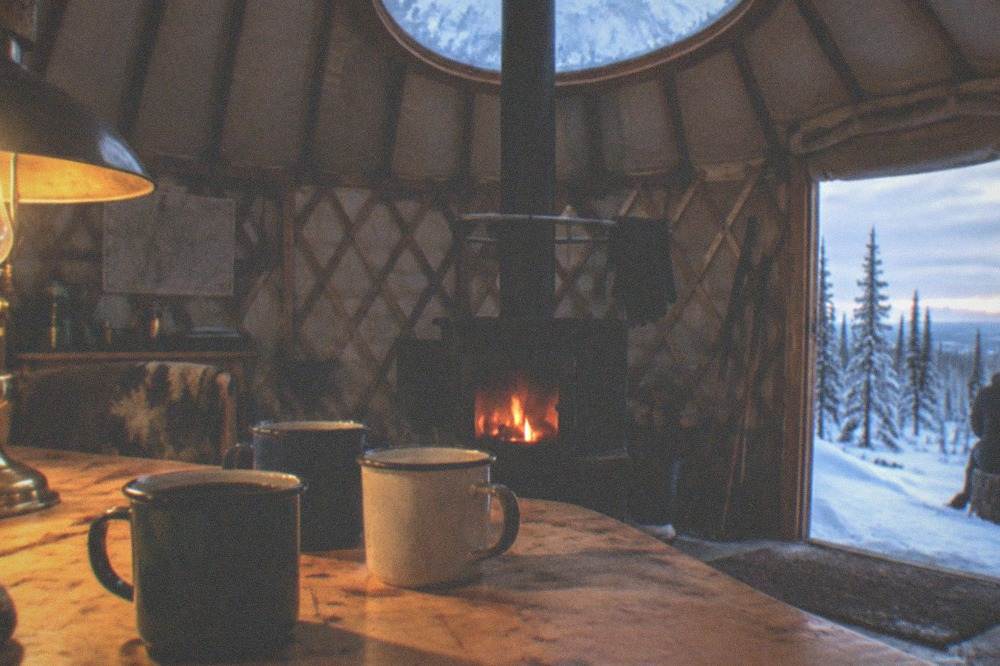
The hardest judgment call for a visitor with limited nights is the marginal case: 60 percent cloud, moving fast, moderate activity forecast. Local guides generally treat that as a go, because Interior Alaska cloud moves quickly and the alternative is sitting in a hotel watching the sky through a window. The genuinely hopeless case is a stationary overcast blanketing the Interior, which the regional forecast products make visible well before departure time. That distinction, marginal versus hopeless, is worth internalizing before you book anything, because it determines whether you will ever want to use the cancellation clause at all.
| Your situation | Best move | Why |
|---|---|---|
| Free-cancellation listing, hopeless forecast | Cancel inside the stated window | Costs nothing; rebook a better night |
| Free-cancellation listing, marginal forecast | Go | Warm formats make waiting easy; sky may open |
| No-stated-policy listing, hopeless forecast | Message the operator before departure | A direct request often beats a silent no-show |
| No-free-cancellation listing, any forecast | Go unless the operator cancels | The booking is a commitment; the format still delivers |
| Operator cancels the night | Accept refund or rebook per the stated policy | Operator-initiated cancellations follow the listing's own terms |
One structural point worth repeating once, because it shapes every row of that table: the policy you are reading lives on the listing, and listings change. The five free-cancellation listings on this roster state that today; the window in hours before departure is written on each listing, not in this guide; and the six silent listings may or may not have updated terms since this page was compiled. The how much does a Fairbanks aurora tour cost guide covers the price side of the same roster, and its numbers carry the same caveat: verify on the live listing at the moment you book.
What Should You Check On A Listing Before Booking Any Aurora Tour?
Before booking, read the listing's cancellation terms, its cutoff window in hours, its no-show clause if present, and what the format offers if the sky stays closed, heated shelter, repositioning, or a fixed viewpoint. Then check whether the date you want carries the sell-out badge. Five minutes on the live listing answers more than an hour of forum reading, and it answers it for the exact product and date you are buying.
The checklist is short because the moving parts are few. Policy first, window second, format third, badge fourth, date last. A listing that passes all five checks is one you can book with a clear head regardless of what the forecast says that week, because you already know your exits. A listing that fails the policy check is not a bad product, it is a fixed commitment, and knowing that before paying is the difference between a cloudy night that disappoints and one that costs you money you did not expect to lose.
| Check | What to look for | Why it matters on a cloudy night |
|---|---|---|
| Cancellation terms | Free, excluded, or unstated | Determines your exit if the forecast dies |
| Cutoff window | Hours before departure the policy applies | A free policy with a 24-hour window still traps a same-day decision |
| No-show clause | What happens if you skip without notice | Almost never a refund; message instead |
| Cloudy-night format | Heated shelter, glass viewing, or repositioning | Warm waiting is the difference between a lost night and a good one |
| Sell-out badge | The verbatim "Likely to sell out" flag | Book early; free cancellation is your hedge |
For travelers connecting the policy question to a bigger itinerary, the material on this page pairs naturally with the how many days should you stay in Fairbanks to see the northern lights discussion, because a three-night stay is itself the best insurance against one clouded-out booking. Neither a generous cancellation policy nor a deep review pool changes the underlying math: more nights under the oval, more chances at a clear one.
The Arctic Circle full-day trip earns a solo mention here because it stacks every clause in one product: free cancellation on the listing, the "Likely to sell out" badge, and a format, a Dalton Highway drive to the sign at milepost 115 with a return aurora hunt around 3am, that is a long day under any sky. From $330 per person, 4.5 from 171 reviews. The BLM Arctic Interagency Visitor Center notes that most national rental-car companies prohibit the highway entirely, which is why the guided product exists at all, and why its cancellation terms matter more than most.
Which Fairbanks Aurora Tour Should You Book If Clouds Are In The Forecast?
Book a free-cancellation listing when the forecast is genuinely uncertain, and among those, pick the format that makes a clouded-out night least painful: the lodge and yurt or the glass house for warm waiting, the Arctic Circle drive if you want the day itself as the experience. If your preferred format sits in the unstated-policy tier, read its live listing first and message the operator if the terms stay unclear.
The decision comes down to what you are insuring against. If the fear is losing money on a dead-sky night, the five free-cancellation listings answer it directly. If the fear is wasting the night itself, the warm formats answer it better: a 270-degree heated glass room or a yurt with hot drinks turns a marginal night into a comfortable stakeout, and the chasing formats turn it into a hunt. If the fear is missing Fairbanks entirely on a short trip, the answer is more nights, not a cleverer booking, as the best time to see northern lights in Fairbanks guide explains month by month. The site behind this page, Fairbanks Aurora Borealis Tours, tracks the listings themselves rather than repeating marketing copy.
The dog sled listing rounds out the free-cancellation tier with the strongest built-in consolation prize on the roster: a moonlight dog sled run and a salmon dinner in a yurt, paired with aurora viewing, from $320 per person at 4.5 from 140 reviews. On a clouded-out night the evening is still a dog sled and a salmon dinner, which is a rare thing to say about any aurora product. Free cancellation is stated on the listing, so the downside case is a rebooking rather than a loss.
A final calibration note on the solar backdrop, because it is often oversold. Solar Cycle 25 peaked in sunspot terms around October 2024 and has been declining since, with the smoothed sunspot number near 99.8 by February 2026, but the geomagnetic activity that actually drives auroras has stayed relatively elevated into 2026 (see Solar Cycle 25 And 2026). The honest version is that significant storms are expected to grow less frequent after 2026 as the cycle slides toward its next minimum, not that any single year is a guaranteed best-ever window. For Fairbanks specifically, the oval does the heavy lifting: the city's odds were good before the peak and remain good after it, clouds permitting.
Whichever of the three you lean toward, the action is the same: open the live listing, read the cancellation line and its cutoff window, and only then pick your date. The lodge and yurt listing states free cancellation at from $160 per person, the guided lodge listing states the opposite at from $200, and the private tour states the opposite again at from $160 with a 4.4 from 18 reviews. Same hilltops, same sky, three different contracts. Ten minutes of reading before you pay is the entire difference between a cloudy night you shrug off and one you dispute.
Common Questions About Fairbanks Aurora Tour Cancellations And Cloudy Nights
Do Fairbanks aurora tours get cancelled for cloudy weather?
Mostly no. Operators rarely cancel for cloud alone, because the tour delivers transport, shelter, and guiding regardless of the sky, and cloud can break at any hour. Cancellations are more often operator-initiated for extreme cold, road conditions, or vehicle issues, and those follow the listing's stated policy. On a fully overcast night, expect the tour to run.
Which Fairbanks aurora tours offer free cancellation?
Five listings on the current roster state free cancellation: the lodge and yurt viewing tour, the Cleary Summit glass house, the Electric Moose photography adventure, the full-day Arctic Circle trip, and the moonlight dog sled with aurora viewing. The exact cutoff window before departure is stated on each live listing and varies between them.
Do I get a refund if the aurora tour runs but I see nothing?
Generally no. No listing on this roster guarantees a sighting, because the aurora is a natural phenomenon, and a tour that delivered its stated service, transport, guiding, and shelter, is not refundable just because the sky stayed closed. Some operators offer goodwill rebooks; that is a conversation with the operator, not a stated entitlement.
What if my listing does not state a cancellation policy at all?
Six listings on this roster state no policy either way. Treat that as unknown, not free, and not excluded. Open the live listing and read the terms section before booking, and if the terms are still unclear, message the operator directly and ask what happens on a clouded-out night. Never assume a policy a listing does not state.
Should I cancel my aurora tour if the forecast shows clouds?
Only if the forecast is genuinely hopeless, a stationary overcast across the whole Interior, and only if your listing states free cancellation. Marginal or broken cloud is often worth riding out, since Interior Alaska skies open quickly and the warm formats make waiting easy. Check the cutoff window on the listing before deciding, and contact the operator rather than skipping silently.
Do any Fairbanks tours guarantee seeing the northern lights?
No. The aurora is a natural phenomenon and no listing on this roster promises a sighting. What Fairbanks offers is favorable odds: the city sits under the auroral oval, visible aurora is often possible at Kp 2 to 4 under clear sky, and a widely cited figure puts the chance at roughly 90 percent over a three-night stay, weather permitting. Any product promising more than that should be avoided.