What To Do With One Day In Fairbanks: A Realistic Winter Itinerary
One day in Fairbanks works only if you plan it backwards from the aurora tour. Here is what the daylight math, the temperatures, and the tour schedules actually allow.
Short answer
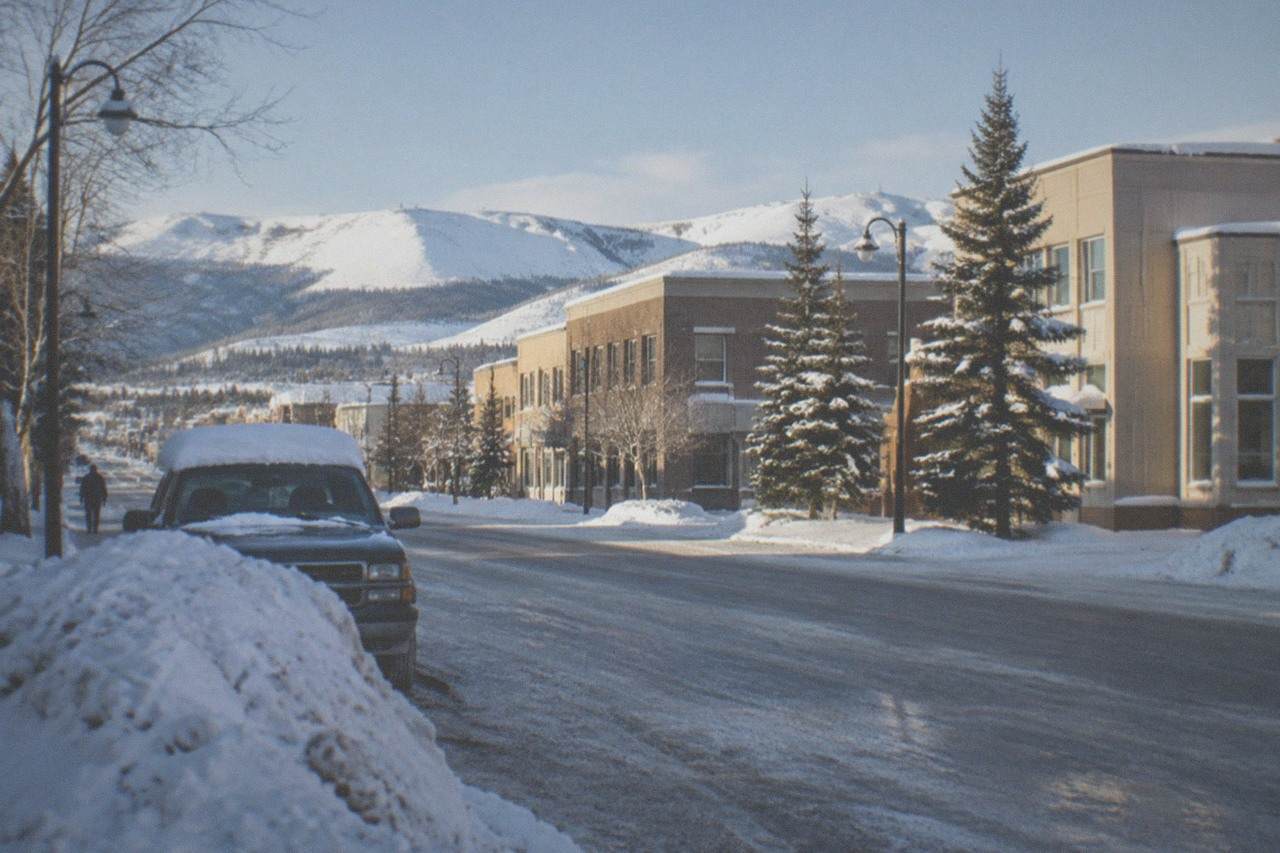
With one day in Fairbanks, plan backwards from an evening aurora tour. In midwinter you get only about 3 hours 41 minutes of daylight on December 21, so the day is short and slow. Pair one daytime activity, an early dinner, and a 10pm to 2am aurora window. The Chena Hot Springs combo tour, from $275 per person, 4.5 from 1,342 reviews, is the strongest single-evening anchor.
What To Do With One Day In Fairbanks: A Realistic Winter Itinerary
Fairbanks gives a one-day visitor roughly 3 hours and 41 minutes of daylight on the winter solstice, sunrise near 10:58am and sunset near 2:40pm. That single fact reshapes every itinerary built for this city. A day here is not a list of attractions squeezed between breakfast and dinner; it is a short window of pale daylight, a long evening, and one decision that matters more than all the others combined: which aurora tour anchors the night. This page lays out an honest single-day plan, built around that evening anchor, and it stays within what the daylight math actually permits. Every price and rating shown below matches the current listing for the tour referenced, via Fairbanks Aurora Borealis Tours.
What Does One Day In Fairbanks Realistically Look Like?
A realistic single day in Fairbanks is a morning arrival or slow hotel start, one daytime activity inside a three to six hour daylight window, an early dinner, and an evening aurora tour that runs roughly 10pm to 2am. Midwinter days are too short for a second major stop, while shoulder-season days in March offer more room. The plan should always be built backwards from the aurora tour, not forwards from breakfast.
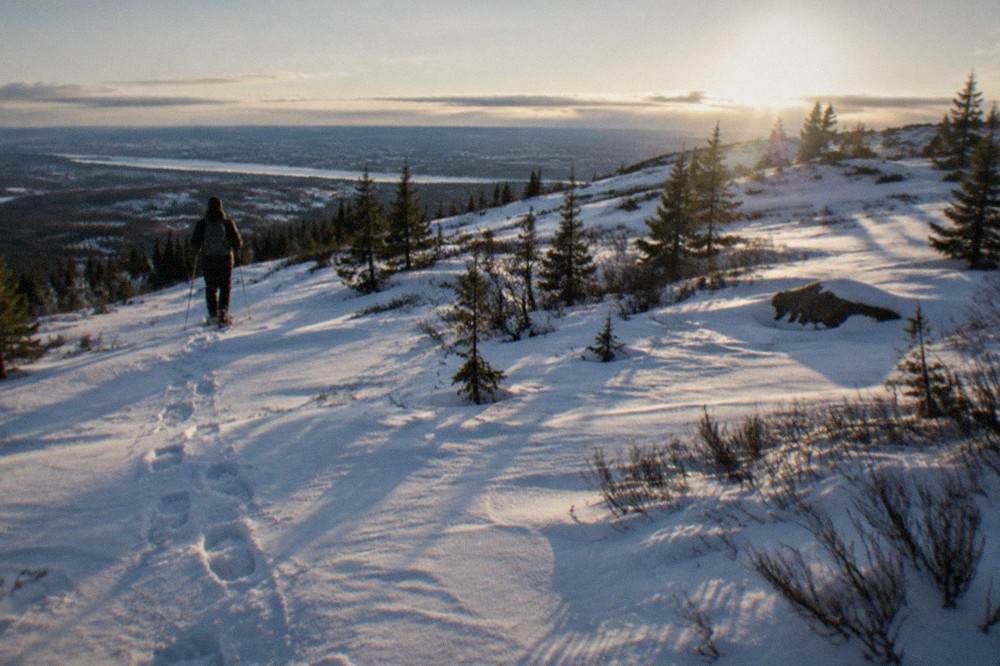
The mistake most one-day itineraries make is treating Fairbanks like a summer city. In December the sun rises close to 11am, hugs the horizon, and sets before 3pm. The light is long, golden-blue, and beautiful, but the usable outdoor window is narrow. Anyone who schedules a museum for the afternoon and a walking tour for the evening has already lost the day, because the evening belongs to the aurora hunt and the cold.
The reverse approach works. Pick the evening aurora tour first, note its departure, and then fill the hours before it. On the winter solstice, December 21, Fairbanks sees approximately 3 hours 41 to 42 minutes of daylight. By late February that stretches to about 10 hours, sunrise near 8am, which suddenly allows a morning activity and an afternoon one before the tour van leaves. This is why the same one-day plan behaves very differently in December versus March, and the best time to see the northern lights in Fairbanks matters as much as the itinerary itself.
Cold shapes the day as much as darkness. January, often the coldest month, runs average highs around 1 to 2F and lows around -16 to -17F. February averages highs of 12 to 13F with lows near -10 to -11F. Those are averages, not extremes. The winter of 2025 to 26 was Fairbanks' coldest on record, averaging nearly -14F from December through March, per the National Weather Service. A one-day plan needs warm-up stops built in, not a marathon outdoors.
How Should You Plan The Day Around An Evening Aurora Tour In Fairbanks?
Build the day backwards from the tour's departure. Keep the morning free or slow, place one daylight activity between 11am and 3pm, eat dinner early, layer up at the hotel, and treat 10pm to 2am as the aurora window. Reserve nothing that requires a fixed afternoon slot, because tour pickups and weather shifts eat the schedule. One anchor, one filler, one dinner is the honest maximum.
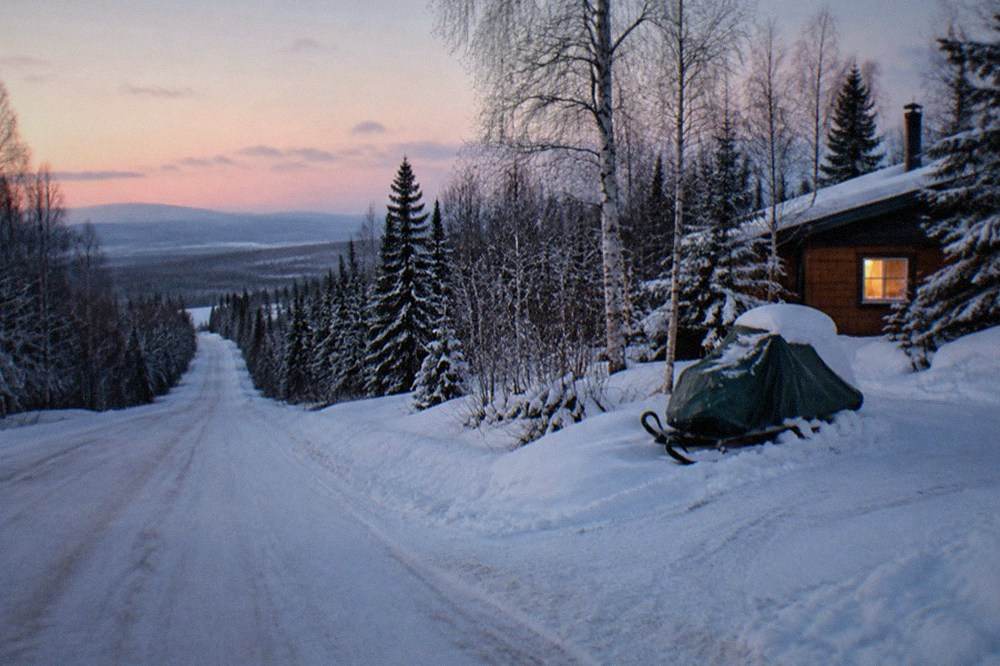
The aurora window around Fairbanks centers on the hours around magnetic midnight, and most guided tours structure their nights around 10pm to 2am. A visitor heading out on a hilltop or lodge tour should expect to be picked up in the evening, spend several hours at a viewing site, and return in the early hours. That means the practical day ends at dinner. Everything after the early meal is prep: layers, hand warmers, camera batteries kept warm, and a nap if the body allows it.
Here is a sample spine for the day, written for a midwinter date. Adjust the clock by season, but keep the shape.
| Time | What happens | Why it works |
|---|---|---|
| 10am to 11am | Slow hotel breakfast, coffee, check the aurora forecast | The sun has not risen yet in midwinter; nothing is lost |
| 11am to 2pm | One daylight activity: Ice Museum, a museum downtown, or a short drive | The entire usable daylight window in December and January |
| 2pm to 5pm | Early dinner, generous and warm | Tour pickups come in the evening; eat before you layer up |
| 5pm to 9pm | Rest, nap, charge devices, dress in layers | Aurora nights run past 2am; fatigue is the real enemy |
| 9pm onward | Aurora tour pickup and viewing window | The reason the whole day was built this way |
| 1am to 3am | Return, hot drink, sleep | Plan nothing for the next morning |
Two habits make this spine hold together. First, check the UAF Geophysical Institute aurora forecast, a free 3-day forecast updated daily and built on the Kp index. Fairbanks sits under the auroral oval at roughly 64.8 degrees north, so visible aurora is often possible at lower Kp values, roughly 2 to 4, than at mid-latitudes. Second, keep the afternoon soft. If the aurora forecast spikes, you may want to nap longer; if clouds threaten, you may need to re-plan the evening entirely. The guide to aurora tour cancellation and cloudy nights in Fairbanks covers that exact fork in the road.
One more caution for anyone tempted to self-drive the evening: winter roads around Fairbanks demand respect, and the Dalton Highway in particular is off limits under most national rental agreements, per the Bureau of Land Management's Arctic Interagency Visitor Center. If the one-day plan involves an Arctic Circle ambition, a guided tour is the only realistic format. That is covered below, because it changes the shape of the entire day.
Which Aurora Tour Fits A One-Day Fairbanks Visit Best?
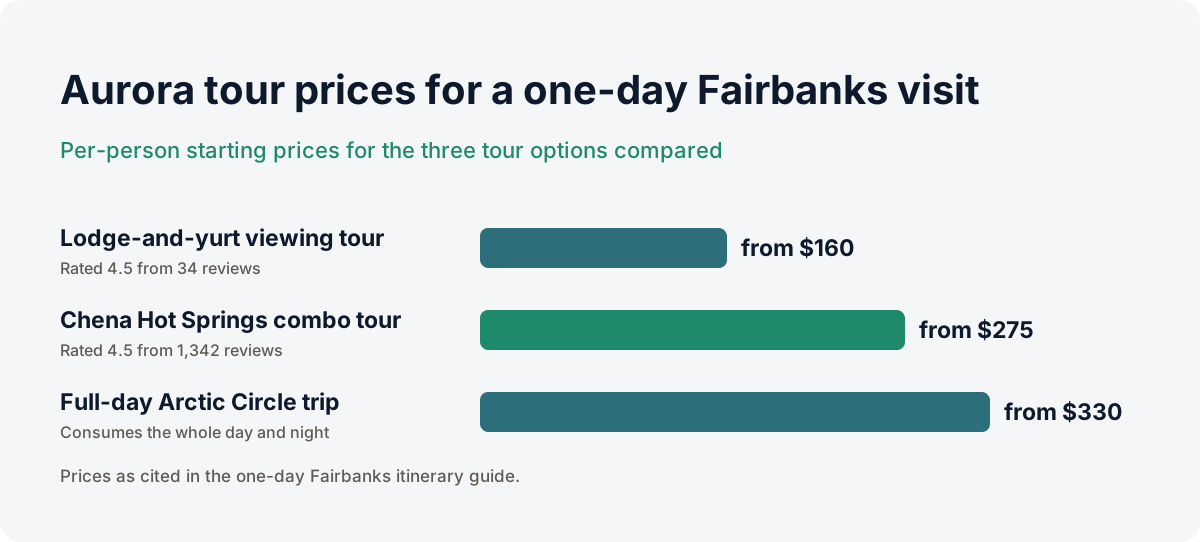
For a single evening, the Chena Hot Springs combo tour is the strongest anchor: from $275 per person, rated 4.5 from 1,342 reviews, pairing the resort with an aurora hunt. The lodge-and-yurt viewing tour at from $160 per person is the budget-friendly alternative, and the full-day Arctic Circle trip at from $330 per person consumes the whole day and night. Match the tour to the hours you actually have.
The Chena Hot Springs combo does double duty, which is exactly what a one-day visitor needs. Chena Hot Springs Resort sits roughly 60 miles northeast of Fairbanks via Chena Hot Springs Road, about 1 to 2 hours' drive, and the tour bundles resort access with aurora viewing in a single booked evening. A one-day visitor gets a scenic drive, time at the resort, and the aurora hunt, without stitching together separate bookings. It is the site's featured tour for good reason: the 4.5 rating across 1,342 reviews is the deepest review pool on this roster, and the price of from $275 per person sits mid-pack.
The lodge-and-yurt alternative, from $160 per person with a 4.5 rating from 34 reviews, keeps you closer to town: lodge and yurt viewing with large north-facing windows, and transport from major hotels included. Free cancellation is carried on the listing. It spends the evening at a fixed viewing site rather than driving out to a resort, which suits a visitor who wants less time in a van and more time waiting under a warm roof. The trade-off is simple: no hot springs, no resort amenities, a lower price.
The Arctic Circle option is a different animal entirely. The full-day trip runs the Dalton Highway to the Arctic Circle sign at milepost 115, roughly 194 to 200 miles from Fairbanks, with a return aurora hunt around 3am. Total duration is commonly 12 to 16 hours. If your "one day" is genuinely a single day and you take this tour, the itinerary problem is solved, because the tour is the itinerary. The listing carries a "Likely to sell out" badge and free cancellation, rated 4.5 from 171 reviews at from $330 per person.
| Tour | Format | Price (per person) | Rating and reviews | Fit for one day |
|---|---|---|---|---|
| Hot Springs Combo, Chena Resort | Resort visit plus aurora viewing | from $275 | 4.5 from 1,342 reviews | Excellent: fills the evening and adds a destination |
| Lodge and Yurt Aurora Viewing | Fixed lodge/yurt site, hotel transport | from $160 | 4.5 from 34 reviews | Strong: low price, less driving |
| Full-Day Arctic Circle Sign Trip | Dalton Highway day trip, return aurora hunt near 3am | from $330 | 4.5 from 171 reviews | Total: consumes the whole day and night |
Before locking the evening anchor, one honest note on cost. The full price ladder across every format on this roster, from the $99 hilltop tour to the $385 photography tour, is laid out in the guide to how much a Fairbanks aurora tour costs. One day means one tour, so the choice deserves that level of comparison rather than a snap decision at checkout.
What Can You Fill The Daylight Hours With Near Fairbanks?
The strongest daylight filler paired with the Chena combo is the Aurora Ice Museum at the resort itself, a 45-minute guided tour of the world's largest year-round ice environment, held at a constant 25F, at $20 for adults and $15 for children ages 6 to 11. Otherwise, downtown Fairbanks museums, the Morris Thompson Cultural Center area, and short scenic drives fit the 3 to 6 hour window.
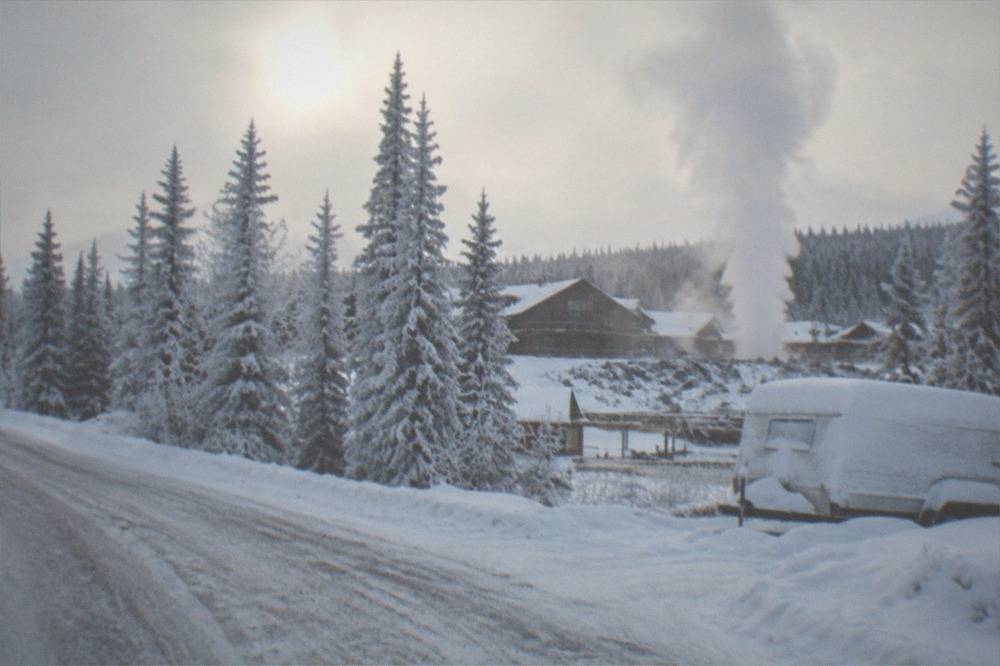
If the evening tour is the Chena combo, the afternoon writes itself. The Aurora Ice Museum is billed by the resort as the world's largest year-round ice environment, built from over 1,000 tons of ice and snow and completed in January 2005. Tours run about 45 minutes, typically at 11am, 1pm, 3pm, 5pm and 7pm, and parkas are provided. The outdoor hot springs pool is open 7am to 11:45pm daily, year-round. Those resort prices are the resort's own general admission, separate from the tour listing price. The official Chena Hot Springs Resort site carries the current schedule. A fuller treatment of the resort day is in the guide to Chena Hot Springs aurora tours, and the ice museum gets its own deep dive on the Aurora Ice Museum page.
If the evening anchor is a lodge tour or hilltop tour that leaves from town, the daylight hours stay in Fairbanks itself. The downtown area is compact and walkable in short bursts, and the pale winter light on the Chena River is genuinely photogenic between 11am and 2pm. Short scenic drives toward Cleary Summit or the hills north of town work too, as long as the driver is honest about winter road conditions and turns back with margin to spare.
The infogain aside below carries the fresh seasonal facts that decide how much daylight a one-day visitor actually gets.
A one-day visitor should also resist the urge to stack the daylight hours too full. Cold fatigue is real, and it arrives faster than most visitors expect. Two hours outside at 10F feels very different from two hours at 35F in a place with more humidity. Build in a warm-up stop, a long lunch, or an unhurried hour at the hotel, and the evening tour will be far better company than if the afternoon was a forced march (see Tour Packages).
Which Budget And Format Trade-Offs Matter For One Night In Fairbanks?
The budget end of the roster is the Murphy Dome hilltop tour at from $99 per person, 4.5 from 317 reviews, while the premium small-group chase runs from $335 per person with a 5 rating from 789 reviews. For one night only, the decision is between spending less on a fixed site and spending more on mobility, warmth, or photography. Price does not track quality here; it tracks format.
The hilltop format is the leanest. The Murphy Dome tour, from $99 per person and rated 4.5 from 317 reviews, is budget hilltop viewing, and its review pool is one of the larger ones on the roster. The listing states no cancellation policy either way, so say nothing about it here. For a visitor whose one day already includes a paid afternoon activity, this is the tour that keeps the total spend honest.
The glass house format sits mid-roster. The Aurora Glass House Experience at Cleary Summit, from $179 per person and rated 4.4 from 38 reviews, offers a 270-degree glass house with floor-to-ceiling windows plus hot drinks and snacks. It carries a "Likely to sell out" badge on its listing and free cancellation. For a visitor who wants to be warm while waiting, and who does not want to stand on a windy hill, this is the comfort pick. The heated indoor waiting area is often the deciding factor for travelers bringing older companions along.
The premium end is mobility. The Premium Aurora Viewing Tour, from $335 per person with a 5 rating from 789 reviews, is small-group aurora chasing: guides drive to wherever the sky is clearest rather than committing to one site. The photography tour at from $385 per person, 5 from 245 reviews, adds photo lessons and portraits. A one-day visitor with no second chance at the lights has a defensible reason to pay for mobility, because the only night available is the only night that counts.
There is also a dinner-and-dogs format that suits a visitor who wants the single evening to carry more than one memory. The Moonlight Dog Sled, Salmon Dinner and Northern Lights tour pairs a dog sled ride, a salmon dinner and a yurt with aurora viewing, from $320 per person, rated 4.5 from 140 reviews, with free cancellation on the listing. It is the one product on this roster that turns the whole evening into a meal, a ride and a sky, rather than a wait for a sky.
| Format | Tour | Price (per person) | Rating and reviews | What you are paying for |
|---|---|---|---|---|
| Budget hilltop | Murphy Dome tour | from $99 | 4.5 from 317 reviews | Low cost, fixed hilltop site |
| Glass house comfort | Cleary Summit glass house | from $179 | 4.4 from 38 reviews | Heated 270-degree viewing, hot drinks |
| Lodge and yurt | Lodge and Yurt Aurora Viewing | from $160 | 4.5 from 34 reviews | Windows facing north, hotel transport |
| Small-group chase | Small-Group Aurora Chase | from $215 | 5 from 557 reviews | Mobility to find clear sky |
| Resort combo | Chena Hot Springs combo | from $275 | 4.5 from 1,342 reviews | Hot springs plus aurora in one booking |
The honest read of that ladder: every format on this roster is well reviewed, and the price differences buy comfort, mobility, and extras, not better odds. The aurora does not care what the tour cost. Odds are set by the length of stay and the sky; a commonly cited figure from the destination marketing organization puts the chance of seeing the aurora at roughly 90 percent with a three-night stay during the season, weather permitting, and the aurora visible on about 4 of 5 clear nights. One night is one roll of the dice, whichever tour you book.
What Should You Wear For A Single Fairbanks Day In Winter?
Dress for lows of -10 to -17F in deep winter with a layered system: moisture-wicking base, insulating mid layers, down parka, insulated boots rated for deep cold, and head-to-toe coverage with no skin showing. Plan for standing still outdoors for hours, which is colder than walking. The evening tour is the binding constraint, not the afternoon stroll.
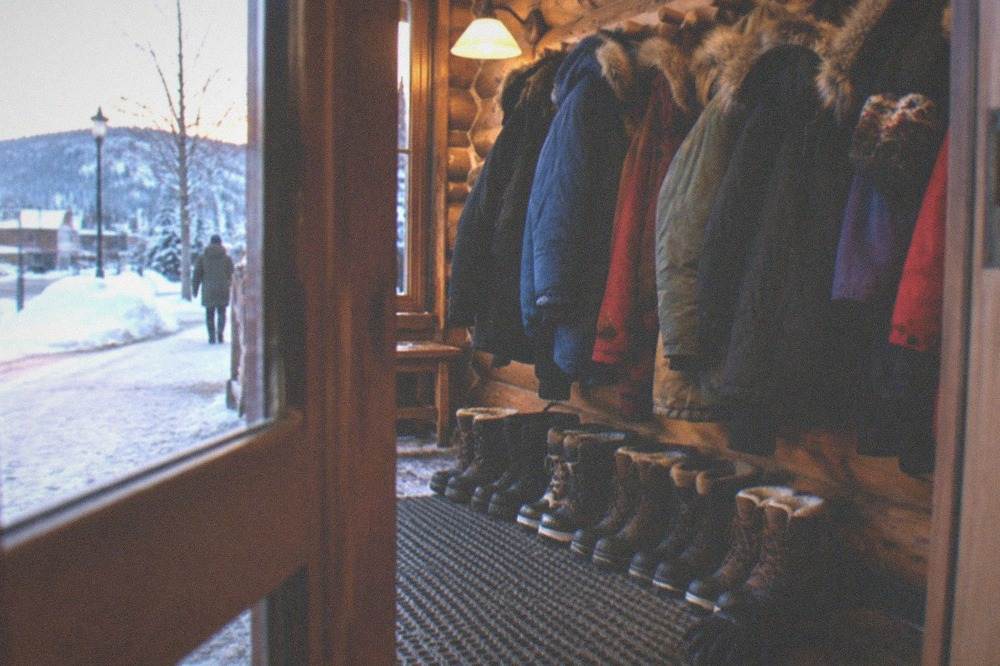
The trap is dressing for the daylight hours and forgetting the night. A downtown walk at noon in February, with highs around 12 to 13F and light wind, is a very different proposition from standing on a hilltop at midnight with lows near -10 to -11F and no movement to generate heat. Aurora viewing is mostly standing and waiting. The full layering system, including the specific gear list and what to rent rather than buy, is laid out in the guide on what to wear on a Fairbanks aurora tour.
The monthly normals below are the planning baseline, sourced from long-term climate normals, and the one-day visitor should read the row for the actual travel month. Note that these are averages; the coldest-on-record winter of 2025 to 26 shows how far below them a given year can run.
| Month | Average high | Average low | Daylight note |
|---|---|---|---|
| November | 12 to 14F | -2 to -4F | Roughly 6 hours of daylight early in the month |
| December | 4 to 5F | -12 to -13F | Solstice: about 3 hours 41 minutes of daylight |
| January | 1 to 2F | -16 to -17F | Often the coldest month; short days continue |
| February | 12 to 13F | -10 to -11F | About 10 hours of daylight by month end |
| March | 25 to 27F | around -3F | Full aurora season continues to April 21 |
Beyond clothing, two small preparations pay off. Keep camera phone batteries in an inside pocket, since cold drains them fast, and bring a thermos. Most tours supply hot drinks, but the hours before pickup are long and cold, and a one-day visitor has no second evening to recover from a miserable first one. Check the tour's own listing for what is included, because the specifics differ by format: the glass house lists hot drinks and snacks, the lodge tour lists transport from major hotels, the Chena combo lists resort access.
How Does One Day In Fairbanks Change By Season?
The same one-day spine stretches and shrinks with daylight. December and January give about 3 to 4 hours of daylight and one activity before the tour; February gives about 10 hours by month end and room for two. The aurora season runs August 21 to April 21, and outside it there is no viewing at all, because twilight or midnight sun blocks the sky.
The season window is fixed by astronomy, not by tour schedules. Fairbanks' aurora season runs August 21 to April 21, per Explore Fairbanks, the official destination marketing organization, and outside that window, twilight or the midnight sun prevents viewing even when the aurora is active overhead. A one-day visitor arriving in June will not see the lights no matter what they book, and no tour on this roster operates as a solution to that.
Peak viewing opportunities are often noted around the equinoxes, when the Russell-McPherron effect tends to enhance geomagnetic activity, or in mid-winter for maximum darkness. Longer winter nights mean more viewing hours, not a higher chance of clear sky; do not conflate the two. A March visitor gets more daylight to fill and slightly milder cold, a December visitor gets maximum darkness and the shortest activity window. Neither gets better weather by default.
The solar cycle context matters less than the calendar but is worth one paragraph. Solar Cycle 25's smoothed sunspot number peaked around 160.9 in October 2024 and has been declining, to about 99.8 by February 2026, but geomagnetic activity, the more direct aurora driver, has stayed relatively elevated into 2026. Significant storms are expected to become less frequent after 2026 as the cycle continues toward its next minimum. None of that changes a single-night plan; it only says the lights remain a reasonable bet in the near term, and the deeper story is on the Solar Cycle 25 page.
For visitors weighing whether one day is even enough, the honest answer is that it is a gamble: a widely reported figure puts the three-night viewing chance at roughly 90 percent, weather permitting, so a single night carries real risk of clouds or a quiet sky. The how many days to stay in Fairbanks piece weighs that trade in detail, and a visitor with any flexibility should read it before committing to the 24-hour version of this itinerary.
Common Questions About One Day In Fairbanks
Is one day in Fairbanks enough to see the northern lights?
One day gives you one night, and one night is a genuine gamble: a widely reported figure puts the aurora-viewing chance at roughly 90 percent with a three-night stay during the season, weather permitting, and the aurora is visible on about 4 of 5 clear nights. A single night can deliver a spectacular display or a cloud bank. If the trip allows a second or third night, take it.
What should I do with the daylight hours on a one-day Fairbanks visit?
One activity, chosen to match the season. In December and January the daylight window is about 3 to 4 hours, so a single stop such as the Aurora Ice Museum at Chena Hot Springs, at $20 for adults, or a downtown museum is the honest maximum. By late February the day holds about 10 hours of daylight and fits two stops before an evening tour.
Which aurora tour is best for a single evening in Fairbanks?
The Chena Hot Springs combo, from $275 per person and rated 4.5 from 1,342 reviews, is the strongest single-evening anchor because it bundles the resort, the drive, and the aurora hunt into one booking. The lodge-and-yurt tour at from $160 per person is the budget alternative, and the Murphy Dome hilltop tour at from $99 per person is the leanest option of all.
Can I do an Arctic Circle day trip and an aurora tour on the same day?
The full-day Arctic Circle trip already includes its own return aurora hunt around 3am, so the two are one product, not two. The trip runs the Dalton Highway to the Arctic Circle sign at milepost 115, roughly 194 to 200 miles from Fairbanks, with a total duration commonly 12 to 16 hours. If you take it, that tour is your entire one-day itinerary.
How cold is Fairbanks during the day for a one-day visit?
Midwinter averages run from highs around 1 to 2F and lows around -16 to -17F in January, to highs of 25 to 27F and lows near -3F in March. The winter of 2025 to 26 was the coldest on record, averaging nearly -14F, so pack for the low end of the range and check the forecast before the trip.
Do I need to book the aurora tour before arriving in Fairbanks?
Booking ahead is the safer play for a one-day visit, because you have no second night to fall back on. Two listings on this roster carry a real sell-out badge, the Cleary Summit glass house and the Arctic Circle full-day trip, and several formats have limited seats by design. Check availability for your exact date before locking flights or hotels.