Is The Arctic Circle Tour From Fairbanks Worth It?
An honest value check on the full-day Arctic Circle tour from Fairbanks, covering the real mileage, the 12 to 16 hour day, the Dalton Highway rental ban, and who the trip genuinely suits.
Is The Arctic Circle Tour From Fairbanks Worth It?
For most visitors with one aurora-focused night in Fairbanks, no: the full-day Arctic Circle trip is a road-trip purchase first and an aurora purchase second. It rates 4.5 from 171 reviews, runs a full day with a return aurora hunt around 3am, and starts at $330 per person. It earns its keep when crossing 66 degrees 33 minutes north matters more to you than a second easy viewing night in town.
"Worth it" is doing a lot of work in that question, so it helps to split it in two. The Arctic Circle product is the only full-day commitment on the local aurora roster; everything else is built around a night's viewing from a lodge, a glass house, a hilltop or a hot springs resort. This one spends an entire day on the Dalton Highway, one of the most remote roads in North America, and folds the aurora hunt into the drive home.
The listing at the center of this article describes a full-day Dalton Highway trip to the Arctic Circle sign with a return aurora hunt around 3am, and it carries both free cancellation and a visible "Likely to sell out" notice. Those two details tell you something useful about demand and flexibility: you can back out without penalty if the forecast turns, and the operator watches its capacity closely enough to flag scarcity on the page. That combination is unusual on this roster, where most listings say nothing about cancellation either way.
The price framing matters just as much as the schedule. At $330 per person, this is one of the most expensive standard formats in town; only the photography tour with lessons and portraits, from $385, and the premium small-group chase, from $335, sit above it. A budget hilltop night at Murphy Dome starts at $99. The spread between those numbers is the clearest signal of what kind of purchase this is: you are paying for distance, a professional driver on a hard road, and a certificate, not for a premium aurora experience.
The trio above spans three genuinely different bets. The Arctic Circle trip buys distance and a latitude crossing; the Chena Hot Springs combo buys a resort evening about 60 miles out of town; the dog sled night buys a ride, a salmon dinner and a heated yurt between viewing windows. None of the three is a strict upgrade over the others. For the stop-by-stop breakdown of the drive itself, the Arctic Circle aurora tour guide covers the route in detail.
The rest of this article works through the honest version of the question: what the day actually contains, whether you could do it yourself, what it costs against the alternatives, and who should book it without hesitation.
How Far Is The Arctic Circle Sign From Fairbanks?
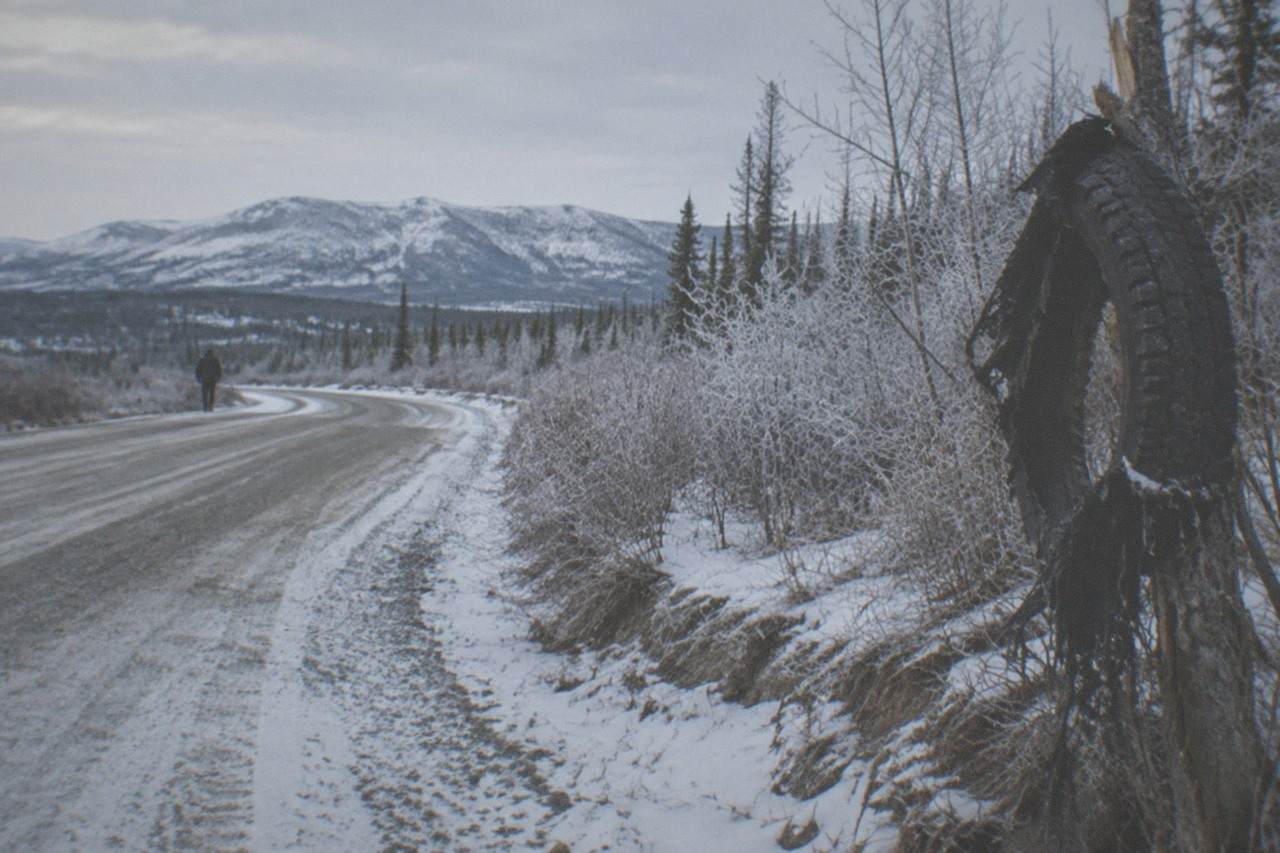
The Arctic Circle marker stands at milepost 115 on the Dalton Highway, roughly 194 to 200 road miles from Fairbanks and about 66 degrees 33 minutes north latitude. The junction with the Dalton sits roughly 73 to 84 miles north of town, and the one-way drive runs about 5 hours in good conditions, which is why full-day round trips commonly stretch to 12 or 16 hours.
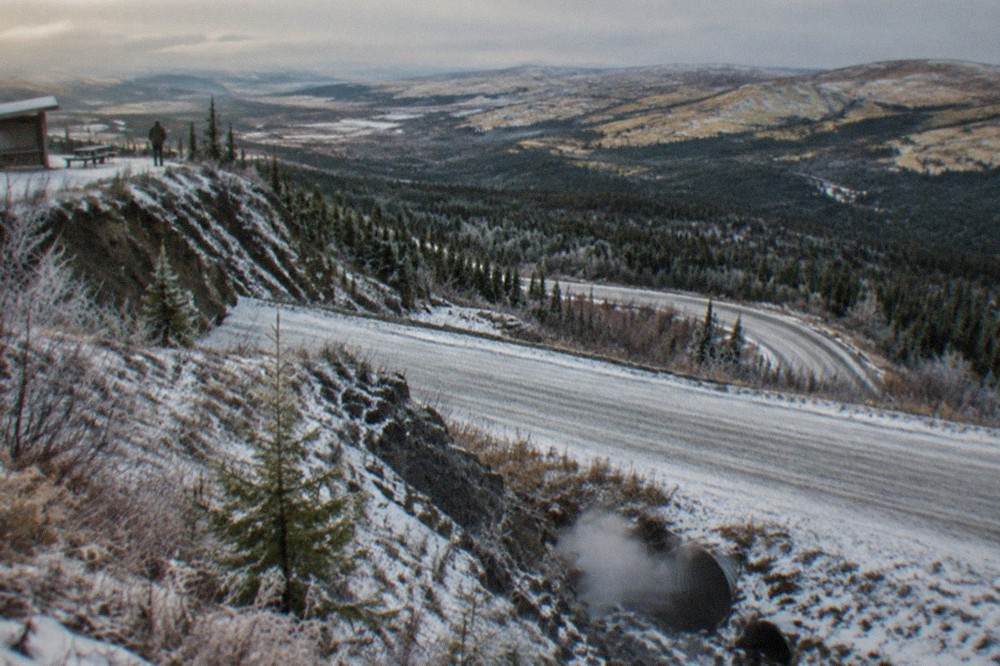
The drive leaves Fairbanks northbound and reaches the Elliott Highway junction somewhere in the 73 to 84 mile range; that is where the Dalton begins. From there the road runs through rolling subarctic terrain, crosses the Yukon River, and continues to the marker. Sources describe the total distance as 194 to 200 miles from Fairbanks depending on the starting point and the route counted, and every serious operator prices the day accordingly.
| Route fact | Figure | What it means for the day |
|---|---|---|
| Distance from Fairbanks to the marker | roughly 194 to 200 miles | a full day on the road, door to door |
| Marker location | milepost 115, Dalton Highway | the trip's official turnaround point |
| Latitude | about 66 degrees 33 minutes north | the line the certificate commemorates |
| Elliott Highway junction | roughly 73 to 84 miles north of Fairbanks | where the Dalton Highway begins |
| One-way drive time | about 5 hours in good conditions | before stops, weather or delays |
| Full round trip | commonly 12 to 16 hours | the real planning number |
| Winter truck traffic | about 250 trucks per day | the Haul Road is busiest in winter |
Those hours are not padding. The 12 to 16 hour figure recurs across operator schedules and independent trip reports because the drive itself, the stops at the pipeline, the river and Finger Mountain, and refueling pauses genuinely add up, and weather can stretch any leg of it. Before committing a day to this, it is worth checking the road status on the state's 511 traveler site, which posts live conditions for the Dalton Highway.
One planning note belongs here rather than later. The aurora hunt on the return leg runs late, finishing around 3am by the listing's own description, so the day after this tour is mostly a write-off for anything demanding. Travelers with a morning flight or an early check-out should think hard about that overlap before booking.
What Does The Full-Day Arctic Circle Trip Actually Deliver?
The tour day is a guided Dalton Highway drive with stops at the Trans-Alaska Pipeline, the Yukon River, Finger Mountain and the Arctic Circle marker, where passengers receive a crossing certificate, followed by a return aurora hunt that wraps around 3am. Operators on this route commonly run 12 to 16 hour round trips, and the listing carries a real sell-out notice: "Likely to sell out".
Concretely, what you are buying is a seat in a guided van for one of the loneliest drives in the country, with the paperwork to prove you crossed the line. The stops along the way give the day its shape; the certificate at the sign gives it its trophy. Operators running this route typically include the pipeline viewpoint, the Yukon River crossing and Finger Mountain before the marker.
| Stop or feature | What it is | What it adds to the day |
|---|---|---|
| Trans-Alaska Pipeline | the pipeline visible alongside the highway | the engineering story behind the road |
| Yukon River | a wide river crossing with a viewpoint | the biggest landscape moment before the marker |
| Finger Mountain | a granite tors landmark off the road | a short photo and stretch stop |
| Arctic Circle marker | the sign at milepost 115, about 66 degrees 33 minutes north | the certificate, and the reason most people book |
| Return aurora hunt | a night drive back toward Fairbanks, wrapping around 3am | the aurora portion of the day |
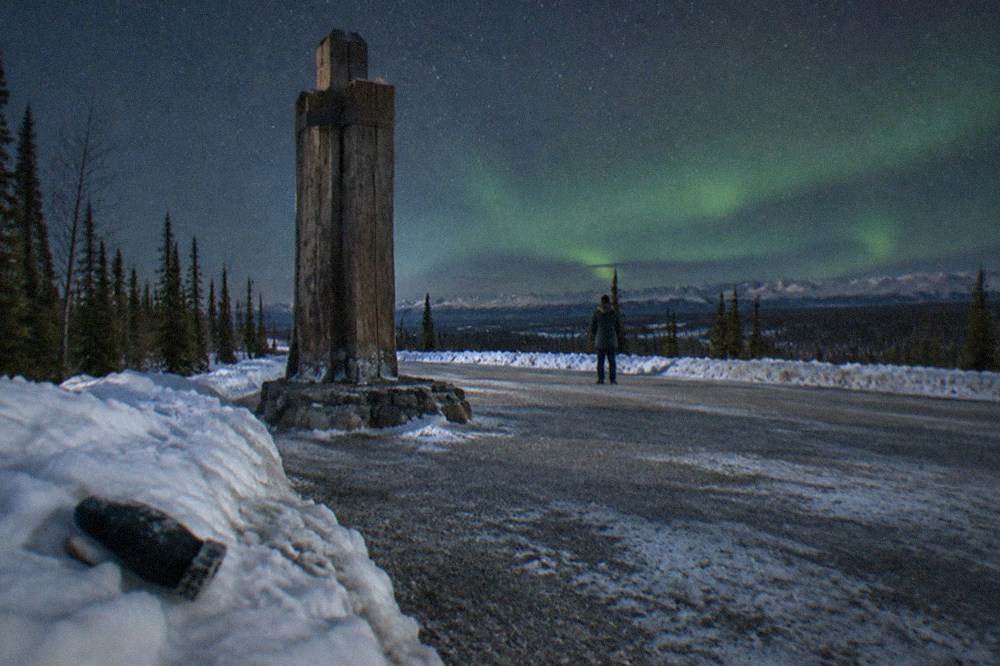
The numbers on the specific listing are solid for a long-haul product: 4.5 from 171 reviews is a review pool large enough to trust the average, the price starts at $330 per person, and free cancellation means a bad forecast does not lock you in. For the aurora leg, planning tools help more than luck. The UAF Geophysical Institute's daily aurora forecast publishes a 3-day outlook built on the Kp index, and because Fairbanks sits under the auroral oval at about 64.8 degrees north, visible activity is often possible at Kp values of roughly 2 to 4, lower than mid-latitude locations need.
A fair reading of the day, then: the drive is the product. Anyone who frames the 3am aurora hunt as the main event is setting up a disappointment, because the hunt is a bonus leg on the way home, not the spine of the purchase. Treat the aurora as a possible ending to a very good road day, and the value math starts to make sense. Treat the road day as a container for the aurora, and it does not.
Can You Drive Yourself To The Arctic Circle From Fairbanks?
Most major national rental car companies either prohibit driving the Dalton Highway outright or void insurance coverage for it, per the Bureau of Land Management's Arctic Interagency Visitor Center, so a self-drive Arctic Circle run requires a vehicle from a specialty or local Fairbanks operator. Winter adds snow, ice and blowing snow, and the road hosts roughly 250 trucks a day in winter.
This is the single strongest argument for the guided tour, and it is not about convenience; it is about access. The Bureau of Land Management's Arctic Interagency Visitor Center states plainly that most national rental firms ban the Dalton or void coverage for it. A standard airport rental is, in the most literal sense, not allowed on the road this tour runs.
The road itself backs that policy up. Alaska's transportation department notes that winter conditions can persist from early August through June, and the hazard list includes snow, ice, blowing snow and refreeze that creates black ice. Atigun Pass, well beyond the marker at about 4,739 feet, gathers the worst of it, but the stretch to milepost 115 is no joke either. Truck traffic rises to roughly 250 vehicles a day in winter against about 160 in summer, because winter is when the oilfield resupply runs hardest. Passing a convoy of industrial trucks on gravel in blowing snow is the actual hazard profile of a self-drive attempt.
| Factor | Driving it yourself | The guided full-day tour |
|---|---|---|
| Vehicle permission | most national rental firms prohibit the Dalton or void coverage | the operator runs permitted vehicles on the route |
| Road surface | long gravel sections north of the Elliott junction | the guide sets the pace |
| Winter hazard | snow, ice, blowing snow, refreeze black ice | the same roads, driven by a professional guide |
| Truck traffic | roughly 250 trucks a day in winter | stops and passing are planned around it |
| Day length | you set it; one-way is about 5 hours | commonly 12 to 16 hours door to door |
| Aurora hunt | whatever you can stay awake for | a return hunt around 3am built into the day |
If the self-drive itch persists anyway, the honest route is a specialty Fairbanks operator whose vehicles are permitted for the Dalton; several local companies exist precisely for that market, and their winter schedules are already posted. For everyone else, the guided van is not a luxury layered on top of the trip. It is the mechanism that makes the trip legal and survivable. The wider picture of Interior Alaska roads in the cold months, from black ice to advisories, is covered in the Fairbanks winter driving conditions guide.
How Much Does The Arctic Circle Tour Cost Compared To Other Fairbanks Aurora Tours?
The Arctic Circle trip starts at $330 per person with a 4.5 rating from 171 reviews, which places it near the top of the roster's price band: a Chena Hot Springs aurora combo starts at $275, a dog sled and salmon dinner night at $320, and a premium small-group aurora chase at $335. What the price buys is distance and the certificate, not better aurora odds.
The table below lays out the six formats side by side, with the from-price and review count for each. Every price is per person, and every rating is printed beside its review count, because a score without its pool invites the wrong assumption.
| Format | Rating and reviews | Price per person | Listing notes |
|---|---|---|---|
| Full-Day Arctic Circle Sign Trip | 4.5 from 171 reviews | from $330 | free cancellation; carries a "Likely to sell out" notice |
| Hot Springs Combo, Chena Resort | 4.5 from 1,342 reviews | from $275 | pairs resort access with aurora viewing |
| Dog Sled, Salmon Dinner, Yurt | 4.5 from 140 reviews | from $320 | free cancellation |
| Premium Aurora Viewing Tour | 5 from 789 reviews | from $335 | small-group chasing format |
| Small-Group Aurora Chase | 5 from 557 reviews | from $215 | mobile chase format |
| Budget Hilltop, Murphy Dome | 4.5 from 317 reviews | from $99 | the roster's cheapest hilltop option |
Only the premium chase at $335 and the photography formats sit above the Arctic Circle day, and those two buy something different: guide mobility and camera instruction aimed at the aurora itself. The Arctic Circle money buys miles, a permitted driver and the crossing certificate. Independent operator pricing for the same route runs in the same band: Northern Alaska Tour Company lists its Arctic Circle Aurora Drive Adventure at $349, rising to $389 on peak winter dates, and GoNorth Alaska lists a northern lights day tour at $290 per person. Nobody sells this day cheaply, because the day is genuinely long. That pricing consensus is itself the strongest single answer to the worth-it question.
If the aurora, not the line of latitude, is the goal, the Chena Hot Springs combo is the sharper value at $275. It rates 4.5 from 1,342 reviews, the largest review pool on the roster, and it combines the resort, roughly 60 miles northeast of Fairbanks via Chena Hot Springs Road, with an aurora viewing night. The resort bills its own extras separately from any tour listing: Aurora Ice Museum tours run $20 for adults and $15 for children, with 45-minute guided tours offered year-round.
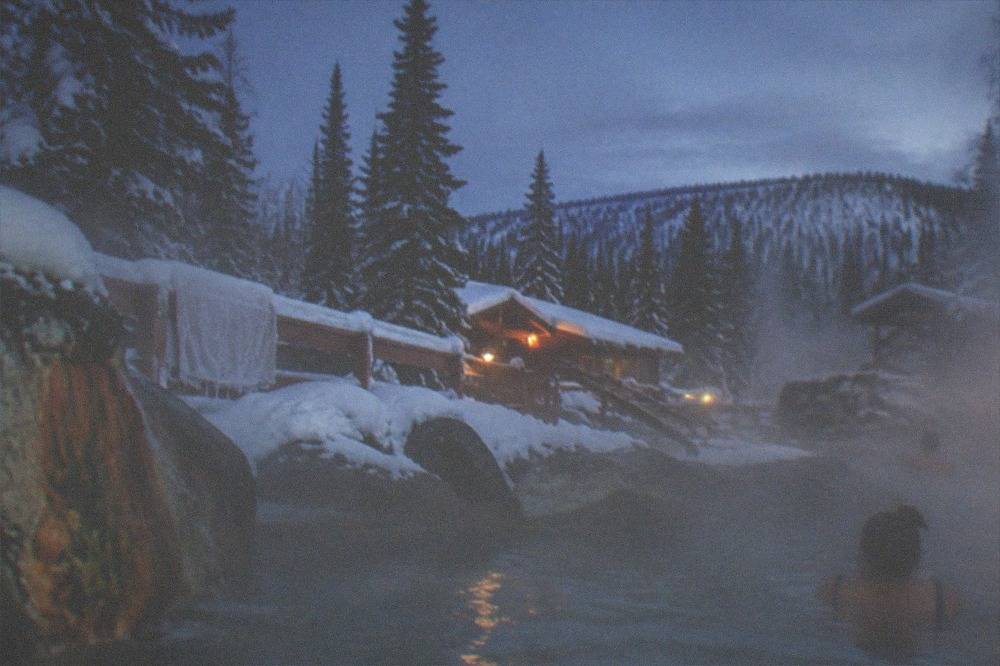
The dog sled night rounds out the alternative set. At $320 it costs roughly the same as the Arctic Circle day, but it spends the money on a sled ride, a salmon dinner and a heated yurt rather than on 200 road miles, and it ends at a civilized hour instead of 3am. Between the three, the honest summary is this: the Chena evening delivers the most aurora-adjacent comfort per dollar, the dog sled night delivers the most local color, and the Arctic Circle day delivers the only thing the other two cannot, which is the latitude line itself.
Who Should Book The Arctic Circle Trip From Fairbanks, And Who Should Not?
Book it if standing at 66 degrees 33 minutes north with a certificate in hand is a bucket-list item, or if a long, guided road day through remote Interior Alaska appeals more than a second hotel night in Fairbanks. Skip it if your trip is short, if you need sleep, or if the aurora itself is the only goal: a three-plus-night stay in Fairbanks during the season is the surer bet.
The traveler this product fits is easy to describe. You have four or more nights in Fairbanks, so one write-off morning costs nothing. The phrase "crossed the Arctic Circle" means something to you, and the Dalton Highway, the pipeline and the Yukon River are draws in their own right rather than obstacles. Photographers who want big road-trip landscapes, not just night skies, get more out of this day than almost anyone else.
The traveler it does not fit is equally easy to describe. If the trip is two nights, the math is brutal: one full day plus a 3am finish consumes half the visit. If the aurora is the only thing that matters, the same money spent on a viewing lodge, a glass house or a chase tour near town puts you under dark skies sooner and longer. Widely reported figures from the destination's own season materials give roughly a 90 percent chance of seeing the aurora on a stay of three or more nights during the season, weather permitting, with the lights visible on about four of five clear nights. That is what a second and third night buy, and no single tour can replicate it. The season itself runs August 21 to April 21 per Explore Fairbanks, because outside that window twilight or the midnight sun blocks viewing even when the aurora is active overhead. The math of stacking nights is laid out in How Many Days To Stay In Fairbanks.
One piece of timing context belongs in any honest 2026 answer. Solar Cycle 25 peaked in sunspot terms at a smoothed 160.9 in October 2024 and has declined since, to about 99.8 by February 2026, but geomagnetic activity, the part that actually drives auroras, has stayed relatively elevated into 2026 (see Solar Cycle 25 And 2026). The honest framing is neither hype nor doom: the sunspot peak is behind us, significant storms are expected to become less frequent after 2026, and the lights over Fairbanks remain very much in business. The full format-by-format comparison, from budget hilltops to private charters, lives on Fairbanks Aurora Borealis Tours, where every listing's rating, review count and price sit side by side.
The verdict, compressed: this is a good product, honestly sold, at a fair mid-market price for the route, and it is worth exactly what standing at 66 degrees 33 minutes north is worth to you. If that sentence makes immediate sense, book it. If it does not, the Chena evening and the dog sled night deliver more aurora per dollar and more sleep per morning after.
Common Questions About The Arctic Circle Tour From Fairbanks
Is The Arctic Circle Tour From Fairbanks Worth It?
Yes, for one type of traveler: someone who wants the latitude line, the Dalton Highway itself and the certificate, and who can spare a full day plus the morning after. It rates 4.5 from 171 reviews, starts at $330 per person, and carries free cancellation. For travelers whose only goal is the aurora, an evening tour near Fairbanks is the better use of time and money.
How Long Is The Arctic Circle Tour From Fairbanks?
A full day. The one-way drive to the marker at milepost 115 runs about 5 hours in good conditions, and full-day round trips commonly run 12 to 16 hours. The listing describes a return aurora hunt that finishes around 3am.
Can You See The Northern Lights On The Arctic Circle Trip?
The tour includes a return aurora hunt around 3am, and Fairbanks sits under the auroral oval, so activity is often visible even at modest Kp values of roughly 2 to 4. No tour can promise a sighting, because the aurora is a natural phenomenon. Widely reported figures give roughly a 90 percent chance of seeing the aurora with a stay of three or more nights during the August 21 to April 21 season, weather permitting.
Why Do Rental Car Companies Ban The Dalton Highway?
Per the Bureau of Land Management's Arctic Interagency Visitor Center, most major national rental companies prohibit driving the Dalton Highway or void insurance coverage for it. The road is remote, largely gravel, carries roughly 250 trucks a day in winter, and sees snow, ice and blowing snow through much of the year, so only specialty and local Fairbanks operators typically permit their vehicles on it.
What Is Actually At The Arctic Circle Marker?
A roadside sign at milepost 115 on the Dalton Highway, at about 66 degrees 33 minutes north latitude, roughly 194 to 200 miles from Fairbanks. Guided tours stop there and hand out crossing certificates. The marker itself is the destination; the drive and the stops along it are the experience.