Which Is Nicer, Fairbanks Or Anchorage?
An honest city-by-city comparison of Fairbanks and Anchorage for Alaska travelers, covering character, aurora odds, winter weather, costs and which city fits which kind of trip.
Which Is Nicer, Fairbanks Or Anchorage?
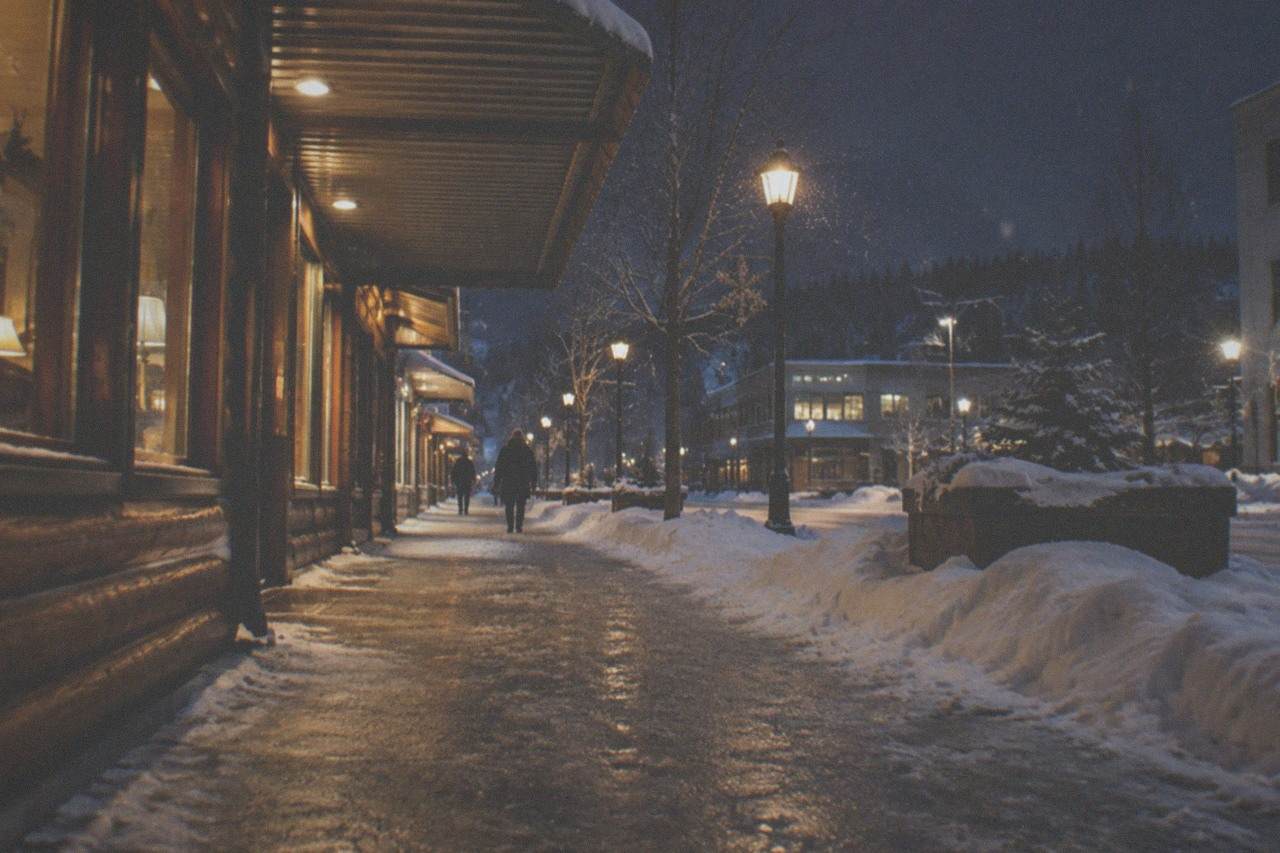
Fairbanks and Anchorage sit a long drive apart in the same state, and yet they feel like two different countries. Fairbanks is an Interior river city at roughly 64.8 degrees north, under the auroral oval, where the winter sun barely clears the horizon. Anchorage is a far larger coastal city on Cook Inlet, ringed by the Chugach Mountains, where the Pacific keeps winters milder and skies grayer. Travelers with only a week in Alaska almost always have to pick a base, and the choice shapes everything else about the trip.
This site is Fairbanks-based, and every tour on this roster departs from the Fairbanks area, so the comparison below is written with that bias stated openly rather than hidden. Neither city simply comes out "nicer," though, because they serve different trip goals. What the comparison does show is that the two cities are good at completely different jobs, and that picking the wrong one for your priorities is the real mistake, not picking a "worse" city.
Which Is Nicer, Fairbanks Or Anchorage?
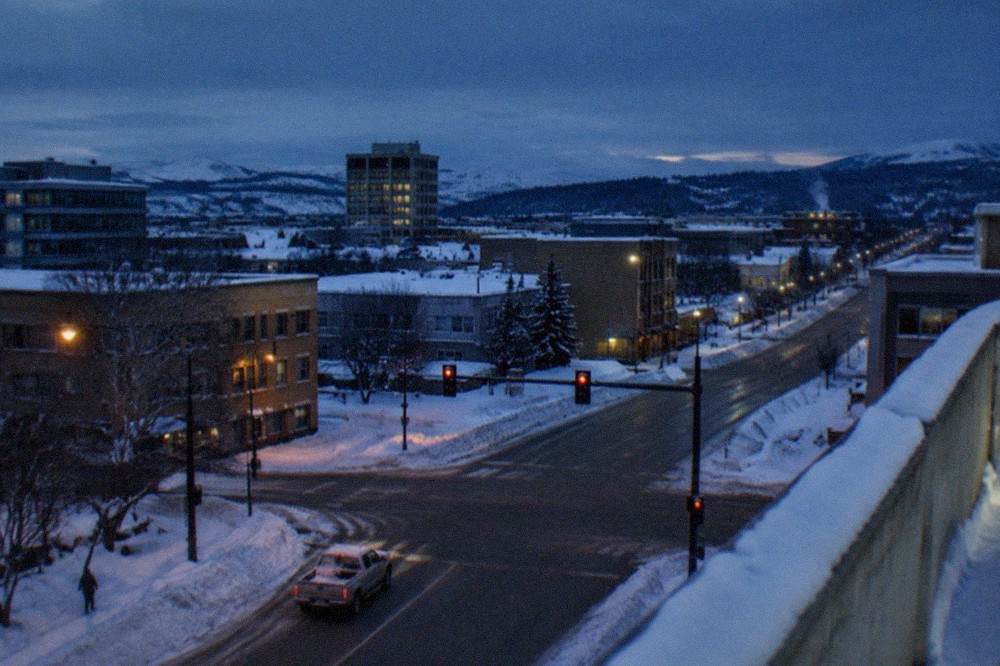
Neither city is objectively nicer, and no verified source supports a blanket ranking either way. Fairbanks is the stronger choice for northern lights, deep winter darkness and Interior wilderness, while Anchorage is stronger for coastal scenery, city amenities, restaurant variety and flight connections. Travelers chasing the aurora should base in Fairbanks; travelers building a general sightseeing trip usually find Anchorage more comfortable.
The word "nicer" hides a value judgment. Nice for whom, and in which month? A Fairbanks night in January, with lows commonly around -16F to -17F and less than four hours of daylight, is genuinely brutal for a visitor who packed street shoes. That same darkness is exactly what an aurora hunter paid for. Anchorage in the same month is milder, brighter at midday, and easier to walk around, but its coastal clouds are a real obstacle for anyone hoping to see the sky at night.
A widely reported figure from the Fairbanks season pages holds that visitors staying three or more nights during the season have roughly a 90 percent chance of seeing the aurora, weather permitting, with the lights visible on about four of five clear nights. Anchorage has no comparable verified statistic, and its coastal weather pattern means clear nights are less frequent there than in the dry Interior. That single difference drives most aurora itineraries toward Fairbanks.
| What You Want | Fairbanks | Anchorage |
|---|---|---|
| Northern lights odds | Under the auroral oval, long dark season, commonly cited 90% sighting odds over 3+ nights | Possible but less reliable, coastal clouds interfere |
| Winter comfort | Colder on record, January lows around -16F to -17F | Milder coastal winters, more gray and wet days |
| City scale and dining | Small city, limited but solid options | Larger city, wider restaurant and hotel choice |
| Scenery type | Taiga, rivers, wide Interior valleys, distant hills | Mountains meeting ocean, Cook Inlet, Chugach front |
| Daylight in midwinter | Roughly 3 hours 41 minutes at the solstice | Substantially more daylight at the solstice |
The table is a starting grid, not a verdict. The rest of this article takes each dimension in turn, because a family with kids in March and a photographer in November will read "nicer" very differently.
What Fairbanks Does Better Than Anchorage
Fairbanks wins on aurora reliability, winter darkness, dry Interior skies and access to the genuine Alaska bush. Its verified aurora season runs August 21 to April 21, and the city sits under the auroral oval, where visible activity often appears at Kp 2 to 4. For northern lights, hot springs, dog mushing, Arctic Circle trips and Interior wilderness, Fairbanks is simply the better base, and this site's whole roster reflects that.
The aurora argument is the strongest one, and it is not close. Fairbanks sits at roughly 64.8 degrees north, directly under the auroral oval, which means geomagnetic activity that would be invisible in Anchorage or anywhere farther south can still produce a display overhead here. The University of Alaska Fairbanks Geophysical Institute publishes a 3-day aurora forecast updated daily, built on the Kp index, and it is the tool Fairbanks visitors check before choosing a viewing night. The city's official season window, August 21 to April 21, is set by darkness: outside it, twilight or the midnight sun prevents viewing even when the aurora is active overhead, as Explore Fairbanks explains on its season page.
The second advantage is sky quality. Interior Alaska is far from the moist Pacific air that hugs the coast, and that dry continental pattern is why the multi-night sighting statistics for Fairbanks exist at all. Anchorage can and does produce aurora sightings, but its coastal cloud cover makes any given night a bigger gamble. A photographer planning a week around clear skies is choosing Fairbanks for arithmetic reasons, not sentimental ones.
The third advantage is what sits around the city. Chena Hot Springs Resort lies about 60 miles northeast of Fairbanks, a 1 to 2 hour drive, and combines an outdoor hot springs pool open 7am to 11:45pm daily with the Aurora Ice Museum, held at a constant 25F, with 45-minute guided tours at $20 for adults and $15 for children aged 6 to 11. The Dalton Highway runs north toward the Arctic Circle sign at milepost 115, roughly 194 to 200 miles from Fairbanks, a full-day trip of 12 to 16 hours on guided tours. None of that is reachable as a day trip from Anchorage.
Fairbanks is also the more honest version of Interior winter. The 2025-26 season was the coldest on record for the city, averaging nearly -14F from December through March, and January normals run from highs around 1F to 2F down to lows around -16F to -17F. That is demanding weather, but it is the weather that makes the aurora season what it is, and travelers who dress for it, as covered in the Fairbanks winter clothing guide, manage it fine. The cold concentrates rather than ruins the experience.
What Anchorage Does Better Than Fairbanks
Anchorage wins on city scale, flight access, coastal scenery and shoulder-season comfort. It is Alaska's largest city, with the state's main airport hub, a far wider restaurant and hotel base, and mountains meeting ocean at the edge of town. For a first Alaska trip built around general sightseeing, or for summer travel, Anchorage is the easier, more comfortable base for that kind of trip.
Start with arrival. Most travelers reach Alaska through Anchorage's airport, which has far more direct service from the Lower 48 than Fairbanks does. A visitor landing in Anchorage can be at a coastal trail with mountain views within half an hour of leaving the terminal. Fairbanks is a second flight or a long drive or train ride away, and adding it means adding a day of transit in each direction. That matters enormously on a short trip.
The scenery argument is real, too. Anchorage sits on Cook Inlet with the Chugach Mountains rising directly behind the city, and the contrast of mountain, water and forest is more dramatic at street level than anything in flat, spread-out Fairbanks. Wildlife viewing near the city, glacier and fjord day trips, and the road system south toward the Kenai Peninsula all base naturally out of Anchorage. Fairbanks' scenery is subtler: wide valley, boreal forest, and a horizon that rewards you mainly after dark.
Day-to-day comfort goes to Anchorage as well. Its coastal winters are milder than the Interior's, though the trade is gray, wet and windy days rather than Fairbanks' dry cold. In summer the advantage reverses: Anchorage stays cool and green while Fairbanks can run genuinely warm, but the coastal city's amenities, museum density and dining depth make it easier to fill a week with varied days. Fairbanks has good museums and a solid food scene for its size, but it is a small city, and a visitor used to urban rhythm will feel that within two days.
Honesty requires the flip side, though. Anchorage gets rain and low cloud that Interior Alaska avoids, and for aurora purposes that coastal moisture is the single biggest strike against it. It is also more expensive in peak summer, and its traffic in tourist season is a real frustration. "Nicer" for a July family trip often means Anchorage. "Nicer" for a February aurora trip almost never does.
Northern Lights Odds: Fairbanks Vs Anchorage
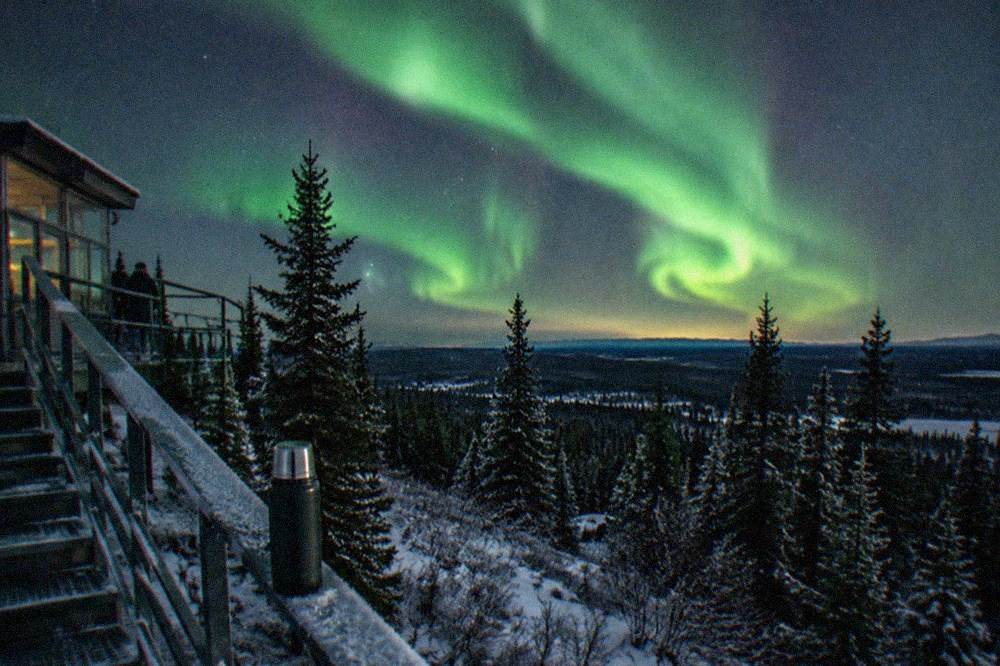
Fairbanks is the clearly better aurora city, and the reason is structural rather than lucky. It sits at roughly 64.8 degrees north under the auroral oval, where visible displays often occur at Kp 2 to 4, while Anchorage sits south of the oval and needs stronger activity to see anything. Combine that with the Interior's drier skies and the commonly cited 90% three-night sighting figure, and Fairbanks wins decisively.
The physics is worth one paragraph because it explains every itinerary decision that follows (see One Day In Fairbanks). The auroral oval is a ring of aurora centered on the magnetic pole, and Fairbanks sits beneath it. The Kp index, a 0 to 9 planetary geomagnetic scale, expands that oval southward as values rise, which is why mid-latitude cities need Kp 5, 6 or higher for a show while Fairbanks often sees activity at 2 to 4. Anchorage, farther south, sits between the two cases: it catches the aurora on moderately active nights, but less often and usually less dramatically.
| Aurora Factor | Fairbanks | Anchorage |
|---|---|---|
| Position relative to the oval | Directly under it at about 64.8 degrees N | South of the oval, needs stronger activity |
| Typical Kp needed for visible aurora | Roughly 2 to 4 | Higher Kp values required |
| Sky clarity pattern | Dry Interior, more frequent clear nights | Coastal clouds, fewer reliable clear nights |
| Verified season window | August 21 to April 21 | No verified window published for this page |
| Cited multi-night statistic | Roughly 90% chance over a 3+ night stay | No comparable verified figure |
None of this means the aurora is guaranteed anywhere, and no tour on this site promises a sighting. The lights are a natural phenomenon, and the honest framing is odds and season windows, never promises. What the structure does mean is that a serious aurora trip should budget its nights in Fairbanks, with Anchorage used as the arrival gateway rather than the viewing base. The Fairbanks vs Anchorage northern lights guide covers the same comparison in more depth for readers deciding between the two.
If you do base in Fairbanks for the lights, the roster here covers the main formats. The Hot Springs Combo, Chena Resort tour, rated 4.5 from 1,342 reviews and priced from $275 per person, pairs the resort's pools with an aurora hunt. The Premium Aurora Viewing Tour, 5 from 789 reviews, from $335 per person, is a small-group chase that moves toward clear sky. At the value end, the Lodge and Yurt Aurora Viewing experience, 4.5 from 34 reviews and from $160 per person, offers heated indoor viewing through large north-facing windows. Cancellation terms vary by listing, so check each operator's live listing before booking.
Costs, Flights And Getting Around In Both Cities
Neither city is cheap, and no verified cost comparison between them exists in this research, so plan on ranges rather than a winner. Anchorage offers more direct flights and a wider budget-to-premium spread of hotels; Fairbanks flights often cost more and connect through Anchorage or Seattle. Within each city a rental car or the local shuttle and tour pickup system covers nearly everything a visitor needs.
Airfare logic favors Anchorage on frequency, though not necessarily on price: more competing direct routes usually means more fare options, while Fairbanks' thinner schedule can spike in aurora season when demand concentrates. The drive time between the two cities is its own question, and the train between them is a scenic day rather than practical transport, covered in a separate review on this site. For aurora travelers, the common pattern is to fly into Anchorage or straight into Fairbanks, spend the viewing nights inland, and fly out from wherever the schedule allows.
On the ground, Anchorage is a car city with a modest trail and downtown core; most visitors rent something. Fairbanks is spread out the same way, but its aurora economy runs on shuttle transport: the listings on this roster pick up from the Fairbanks area generally, with the exact meeting point shown on each listing, and no specific pickup address or hotel is published in advance. That means an aurora visitor can often skip the rental car entirely and let the tour handle the night driving, which matters when roads are ice and the driver has been awake since the afternoon.
| Trip Type | Cheaper Or Easier Base | Why |
|---|---|---|
| Aurora-focused winter trip | Fairbanks | Tours depart locally, no night driving, viewing odds concentrated |
| Summer general sightseeing | Anchorage | More direct flights, more varied day trips from one base |
| Split one-week trip | Both | Arrive Anchorage, two or three nights Fairbanks, return south |
| Hot springs and resort stay | Fairbanks | Chena Hot Springs Resort is about 60 miles from the city |
| Budget solo trip | Fairbanks | Value hilltop tours from $99 per person exist on the roster |
Daily costs inside the cities are broadly similar at the visitor level: Interior Alaska and Southcentral Alaska both import most goods, and both charge accordingly. What differs is the shape of spending. In Anchorage the money goes to hotels, restaurants and day tours out of a real city. In Fairbanks it goes to the night experiences themselves: lodge viewing, chases, hot springs combos and the long full-day Arctic trips. If your budget is fixed, the question is which shape of spending you actually want.
Which City Fits Your Alaska Trip Better?
Choose Fairbanks for aurora, winter wilderness, hot springs and Arctic trips; choose Anchorage for a first general visit, coastal and mountain scenery, and flight convenience. A split itinerary, Anchorage first and two or three Fairbanks nights for the lights, suits a week-long trip. Since this site's tours all run from Fairbanks, the practical reading here is that the lights belong inland and everything else can go either way.
The cleanest way to decide is to rank your own priorities, because the cities specialize. If the northern lights are the reason you are flying to Alaska at all, Fairbanks is the destination and Anchorage is transit; the aurora season, the oval and the dry Interior skies all point the same direction. If the lights are one item on a list that includes fjords, wildlife, glaciers and a bit of city life, Anchorage covers more of that list from one hotel.
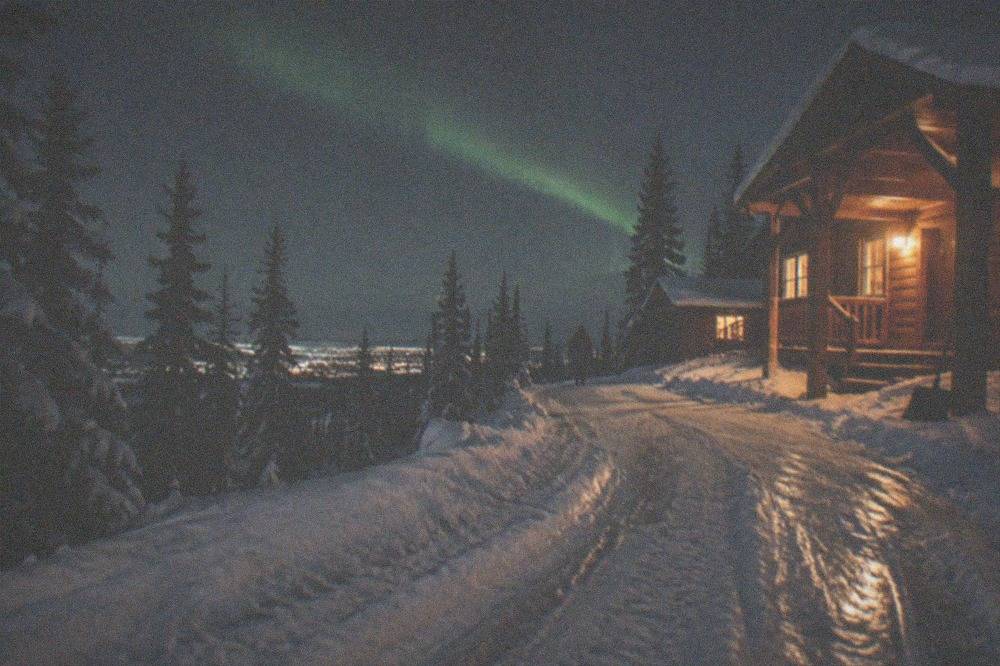
For many travelers the split trip is the honest answer, and it is the one experienced Alaska hands recommend most often. Fly into Anchorage, give it two days of coastal trail, museums and a day trip south, then take the short hop or the drive north and give Fairbanks three nights during the season, because the widely cited 90 percent figure is specifically about staying three or more nights. The mathematics of aurora viewing rewards consecutive nights in one dark, dry place, and only one of these two cities is that place.
Winter travelers should also weigh the practical realities honestly. Fairbanks just recorded its coldest winter on record, and the Interior cold is a real constraint on anyone who hates cold or travels with very young children. Anchorage's milder, wetter coastal winter is easier on the body even if it is worse for the sky. There is no shame in choosing comfort, and the winter driving conditions guide lays out what an Interior winter asks of a driver.
Whatever the choice, this site's home base is Fairbanks, and Fairbanks Aurora Borealis Tours exists precisely because the city is the aurora capital of this comparison. The tours listed here, from budget hilltop viewing to full Arctic Circle days, all depart from the Fairbanks area. Anchorage is a fine city for everything else, and the honest verdict on "nicer" is that it depends entirely on which Alaska you came for.
Common Questions About Fairbanks Vs Anchorage
Which Is Nicer, Fairbanks Or Anchorage?
Neither is objectively nicer. Fairbanks is better for northern lights, winter wilderness and Interior experiences; Anchorage is better for coastal scenery, city amenities, dining and flight access. Choose based on the purpose of the trip rather than a general ranking.
Is Fairbanks better than Anchorage for northern lights?
Yes, clearly. Fairbanks sits under the auroral oval at about 64.8 degrees north, often sees visible aurora at Kp values of roughly 2 to 4, and has a verified season window of August 21 to April 21 with drier Interior skies. Anchorage needs stronger activity and has more coastal cloud.
Can you see the northern lights from Anchorage?
Sometimes, on nights with strong geomagnetic activity and clear sky. Anchorage is south of the auroral oval, so displays there are less frequent and usually less intense than in Fairbanks. Serious aurora trips base in Fairbanks and use Anchorage as the arrival gateway.
Is Fairbanks colder than Anchorage?
Yes, and by a wide margin in winter. Fairbanks January normals run from highs around 1F to 2F to lows around -16F to -17F, and the winter of 2025-26 averaged nearly -14F, the coldest on record. Anchorage's coastal winters are milder but grayer and wetter.
How many nights should I stay in Fairbanks to see the aurora?
Three or more is the commonly cited figure: during the season, roughly 90 percent of visitors staying three or more nights see the aurora, weather permitting, with the lights visible on about four of five clear nights. Fewer nights means fewer chances at a clear, active sky.
Should I visit both Fairbanks and Anchorage on one trip?
On a week or more, yes, and it is a common pattern. Arrive through Anchorage, spend a day or two on the coast, then give Fairbanks at least three nights during the aurora season. The train or drive between them is scenic and covered in separate reviews on this site.