Are There Grizzly Bears Around Fairbanks?
Grizzly bears do live in Interior Alaska around Fairbanks, but aurora tours run at night in the cold months when bears are denned, so they are not a practical concern for a northern lights tour.
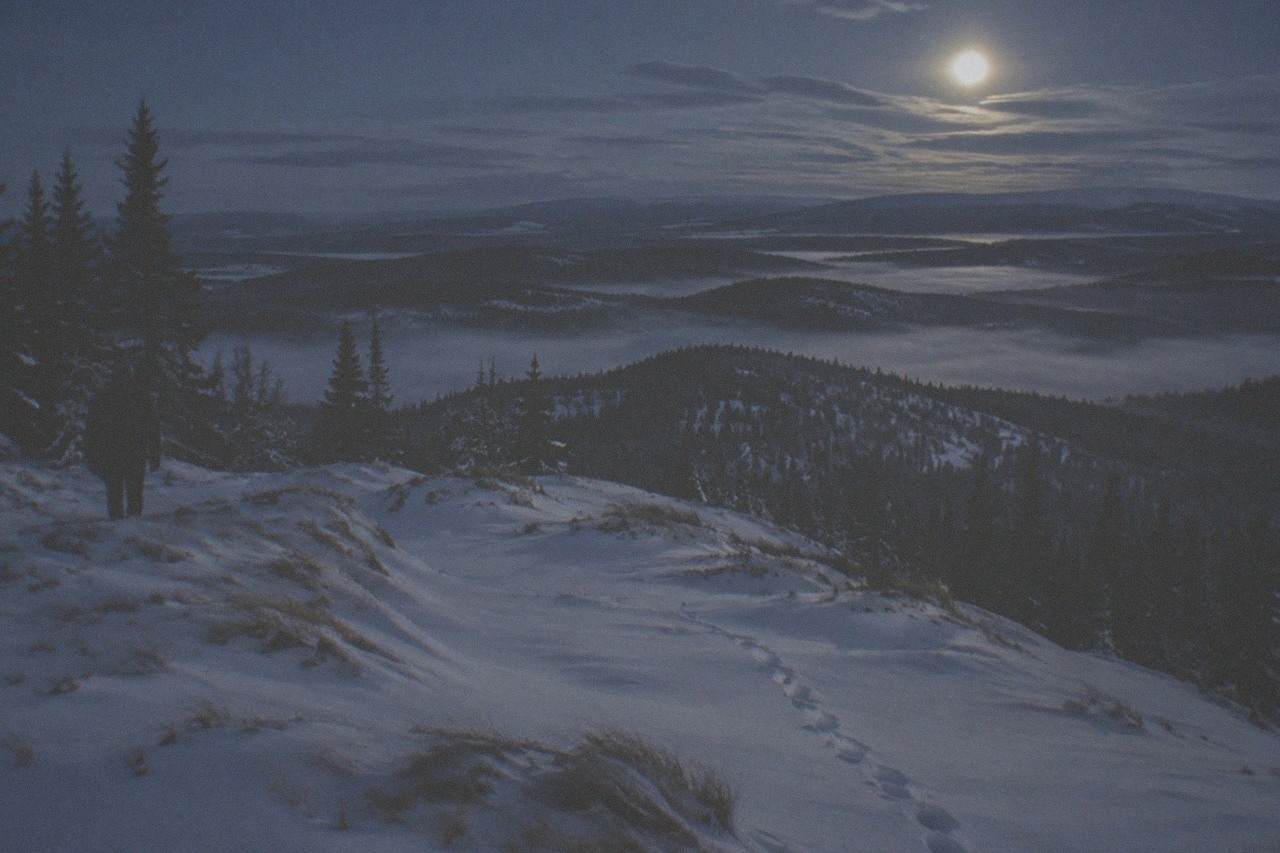
Fairbanks' aurora season runs from August 21 to April 21, and almost every visitor asking about grizzly bears is asking it while planning a trip inside that window. That timing is the whole answer in miniature. Interior Alaska is genuinely bear country, black bears and grizzlies both, and the forests and ridgelines around Fairbanks are part of it. But the tours that bring people here in winter operate at night, in the coldest months of the year, when Interior Alaska's grizzlies are denned and inactive. The two calendars barely touch.
This page walks through where bears actually fit into a Fairbanks trip: when they are around, when they are asleep, what that means for a night tour, and what a summer visitor to the same country should think about instead. The short version is that the bear question and the aurora question have almost opposite seasons.
Are There Grizzly Bears Around Fairbanks?
Yes, grizzly bears live in Interior Alaska, and the forests and hills around Fairbanks are bear country in the warmer months. Aurora tours run at night in the cold months when grizzlies here are denned and inactive, so bears are not a practical safety concern on a northern lights tour in Fairbanks.
Interior Alaska is the heart of the state's grizzly range. The region around Fairbanks, the Tanana Valley floor, the hills to the north, the vast sweep of land toward the Yukon River, supports both black bears and grizzly (brown) bears. In the warm months those animals are busy: feeding on berries in late summer, on salmon wherever runs reach, on roots and moose calves in spring. A hiker on a ridge an hour from town in August is in real bear habitat and should act like it.
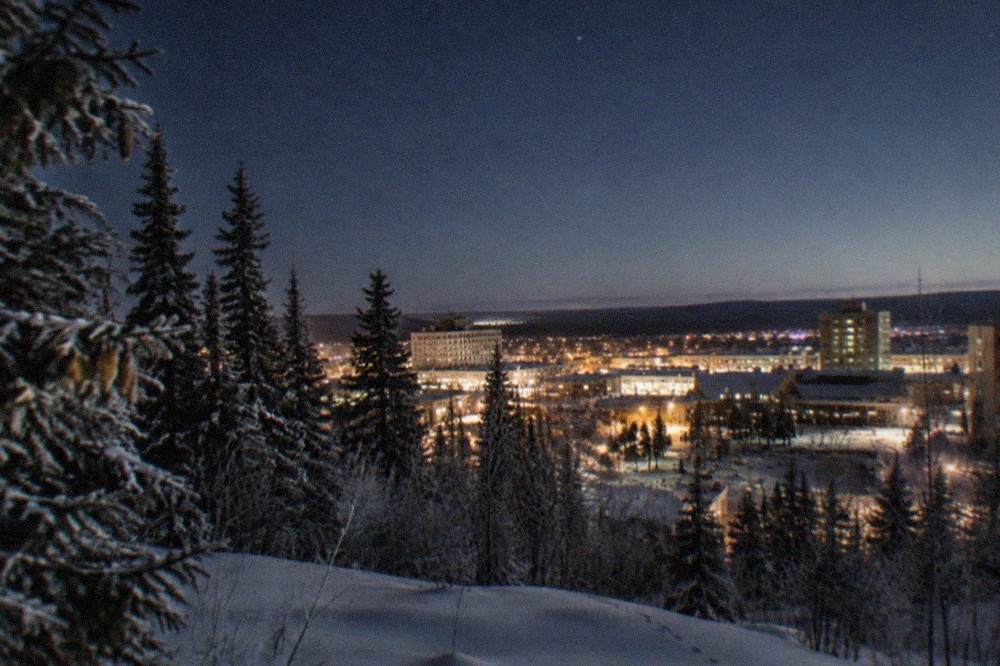
Winter flips that picture completely. Grizzlies in this part of Alaska enter dens in fall, dug into hillsides or tucked into root masses, and they stay there, metabolically slowed, not eating or drinking, until spring. The deep cold that makes Fairbanks a January destination for aurora travelers is the same cold that keeps the region's bears asleep. There is no month in which an aurora tour here and an awake grizzly are likely to share a hillside, and no Fairbanks aurora product on this site frames bear safety as part of its trip.
That is the honest scope of this page. Bears are a real, interesting, and occasionally consequential fact of Interior Alaska life. They are simply a fact of the other half of the year, and the hours of daylight, not the dark hours when tours actually run.
Bears do shape how some Fairbanks experiences are run, just not the aurora ones. Summer and fall operators in the region, fishing guides, hiking outfitters, float trips, carry the standard Interior Alaska toolkit and briefings. Aurora operators carry hand warmers, hot drinks, and advice about layering. The gear lists are a reliable signal of which season you are actually in.
When Do Grizzly Bears Den Near Fairbanks, And When Do Aurora Tours Run?
Grizzlies in Interior Alaska typically enter dens in fall and stay denned until spring, while Fairbanks' aurora season runs August 21 to April 21 and the tours themselves happen in the middle of the night. The overlap is near total: the coldest, darkest, best viewing months are precisely the months when bears are asleep.
The season boundary matters here. Fairbanks' aurora season runs from August 21 to April 21, per Explore Fairbanks, the official destination marketing organization. That window is set by darkness, not by the sun's activity: outside it, twilight or the midnight sun makes viewing impossible even when the aurora is active overhead. Inside it, the nights are long and dark enough that tours can run for hours.
Bear timing runs the other way. Grizzlies here enter dens as food disappears in fall and emerge in spring as it returns. The months between are the deep of the Interior Alaska winter. So the calendar an aurora traveler buys into, roughly September through April, and the calendar on which an awake grizzly exists, roughly spring through fall, overlap only at the soft shoulders of each, late August and late April, when nights are short and the big aurora tour calendar is thin anyway.
| Month | Average High | Average Low | In Aurora Season | Bear Status In Interior Alaska |
|---|---|---|---|---|
| November | 12F to 14F | -2F to -4F | Yes | Generally denned or entering dens |
| December | 4F to 5F | -12F to -13F | Yes | Denned |
| January | 1F to 2F | -16F to -17F | Yes | Denned |
| February | 12F to 13F | -10F to -11F | Yes | Denned |
| March | 25F to 27F | -3F | Yes | Generally still denned as the month opens |
The temperatures above are long-term monthly normals for Fairbanks, and they tell the story plainly: the months with the best dark, long winter nights, are also months of sustained cold under which Interior Alaska's grizzlies simply are not part of the landscape (see Driving To Fairbanks). Den timing varies year to year and by animal; the column reflects the general pattern, not a dated schedule.
The forecast side of a winter night is also well covered. The University of Alaska Fairbanks Geophysical Institute publishes a 3-day aurora forecast, updated daily, built on the Kp index. Because Fairbanks sits under the auroral oval, visible aurora is often possible here at lower Kp values, roughly 2 to 4, than at mid-latitudes, though the index is a global rather than purely local predictor. Travelers pairing that forecast with a clear-sky check are doing the two things that actually move their odds on a given night.
A widely reported figure from the season pages holds that visitors staying three or more nights during the season have roughly a 90 percent chance of seeing the aurora, weather permitting, with the lights visible on about four of five clear nights. It is a commonly cited planning number, not a promise, and it has nothing to do with bears either way. But it does underline why the multi-night lodging-and-viewing structure of Fairbanks tourism exists: you stack nights, not luck.
The three formats above, a lodge-and-yurt night, a premium small-group chase, and a hot springs combo, are the most common shapes a Fairbanks aurora trip takes, and none of them spends a minute in the kind of terrain or season where a bear question would even arise. The chase moves by van between dark viewpoints. The lodge night keeps you behind glass with a thermos. The hot springs combo adds warm water to the equation, which is its own argument for winter.
Is Bear Safety A Concern On A Fairbanks Aurora Tour At Night?
No. Aurora tours here run in denning season, at night, and mostly from heated lodges, vans or yurts with transport from major hotels, so the realistic safety questions are cold and ice, not bears. Guided tours keep you with a group and a vehicle the whole time, which removes the exposure that creates bear encounters in the first place.
Every aurora product on this site runs the same basic pattern: pickup or meeting somewhere in the Fairbanks area, with the exact point shown on each listing, then a guided night at a lodge, a yurt, a glass house, or a series of dark roadside viewpoints. You are with an operator, with a group, and with shelter the entire time. The classic bear-encounter scenarios, a solitary hiker surprising an animal at close range in brush or at a carcass, do not describe a lodge night or a van chase in any way.
What actually deserves your attention in January in Fairbanks is the cold, and it is not a small thing. January normals run highs of 1F to 2F and lows of -16F to -17F, and the winter of 2025-26 was the city's coldest on record, averaging nearly -14F across December through March. Frostbite on exposed skin is a matter of minutes at those temperatures. Operators build their nights around warmth, heated spaces, hot drinks, and time limits outside, and travelers who take the cold seriously have a far better night than travelers who don't.
For gear, the packing question is entirely thermal. Layers, insulated boots rated for deep cold, hand warmers, and something to keep camera batteries alive matter far more than anything a bear-safety briefing would cover. The what to wear on a Fairbanks aurora tour guide covers the cold-weather side in detail, and its advice applies to every format of aurora night sold here.
There is one honest edge case worth naming: the shoulder weeks. Very late August and the first half of September technically fall inside the aurora season, and fall is when bears are actively feeding toward denning. But the tours still run at night, in groups, at fixed viewpoints or heated structures, and the region's aurora calendar does not route anyone through berry thickets at dusk. If you extend an early-season aurora trip with daytime hiking, that is when bear awareness earns its place in your planning.
What Wildlife Is Actually Around Fairbanks On A Winter Aurora Night?
Moose, mostly. Interior Alaska's winter nights around Fairbanks belong to cold-adapted animals, and the large one drivers actually watch for is the moose, which stays active all winter. Snowshoe hares and foxes also stay active, but sightings from an aurora tour are uncommon because tours focus on dark, open viewing spots rather than feeding areas.
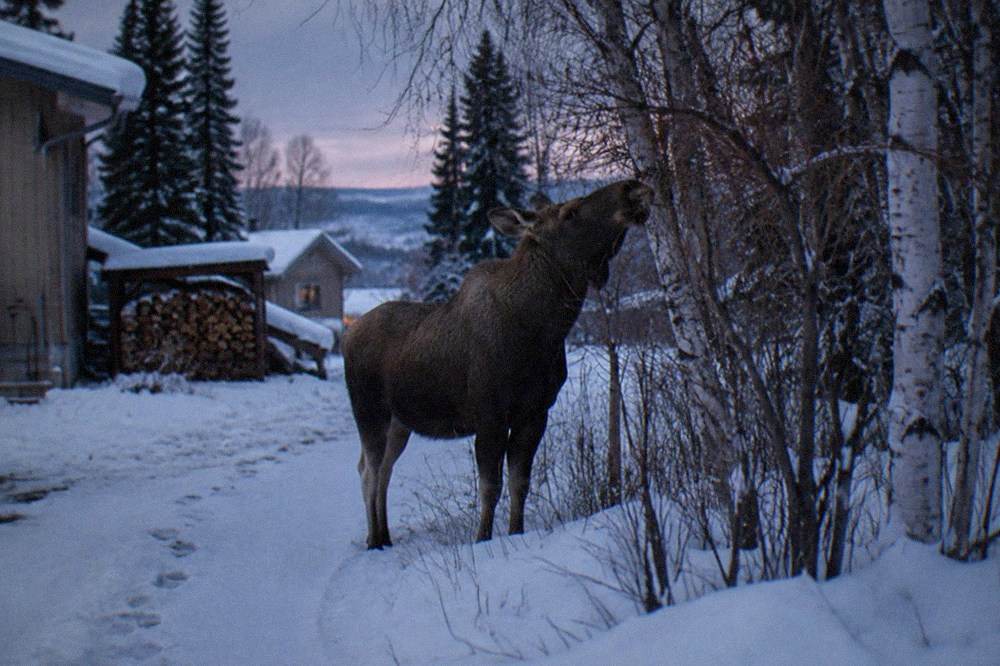
The moose is the animal that genuinely intersects with a Fairbanks winter night, and not on the hillside. Moose do not den. They spend winter around willow and birch, in valleys and along roads, and a van driving out of Fairbanks at night toward a viewing spot keeps an eye out for them the way southern drivers watch for deer. An operator's driver commentary in winter is as likely to include a moose caution as an aurora forecast.
The smaller winter cast is quiet by design. Snowshoe hares turn white and move at dusk. Foxes hunt the same margins all winter. Owls call in the cold. None of it gathers at an aurora viewing site, because those sites are chosen for open sky and darkness, the opposite of cover and forage. A night at a lodge or a hilltop is a night in a place animals avoid precisely because there is nothing there but cold and stars.
If animals are the draw rather than the sky, the winter product built around them is a different one: the dog sled and aurora night. Moonlight Dog Sled, Salmon Dinner, Northern Lights pairs a dog sled ride and a salmon dinner in a yurt with aurora viewing, from $320 per person, rating 4.5 from 140 reviews, with free cancellation on the listing. That is the Interior Alaska winter-animal experience that actually exists, and it involves huskies, not bears.
The rest of the night belongs to the sky. Fairbanks' position at about 64.8 degrees north, under the auroral oval, is why the whole industry exists: the lights are frequently overhead here at Kp levels that would leave mid-latitude skies empty. The odds of seeing the northern lights in Alaska come down to clear skies and stacked nights, and the wildlife question, in winter, mostly comes down to whether the driver slows for a moose on the way out of town.
How Do Fairbanks Aurora Tours Work While Bears Sleep?
While bears sleep, the Fairbanks aurora economy runs on warmth: heated yurts and lodges with big north-facing windows, a glass house on Cleary Summit, mobile chasing vans, and hot springs combos. Prices run from $99 per person for a budget hilltop night to $385 per person for a photography tour with lessons and portraits included.
The full lineup compared on Fairbanks Aurora Borealis Tours spans about a dozen listings, and the common thread is that every one of them is a cold-month, nighttime product built around shelter and heat. The entry point is a budget hilltop chase at Murphy Dome, from $99 per person, rating 4.5 from 317 reviews. At the other end, a photography tour with lessons and portraits included runs from $385 per person, rating 5 from 245 reviews.
| Format | Example Listing | Rating | From, Per Person | What It Is |
|---|---|---|---|---|
| Lodge and yurt viewing | Alaskan Northern Lights Lodges | 4.5 from 34 reviews | $160 | Heated lodge and yurt with north-facing windows, transport from major hotels |
| Glass house | Aurora Glass House at Cleary Summit | 4.4 from 38 reviews | $179 | 270-degree glass house with hot drinks and snacks, badge reads "Likely to sell out" |
| Budget hilltop | Murphy Dome viewing | 4.5 from 317 reviews | $99 | Simple hilltop night at the lowest entry price |
| Premium chase | Premium Aurora Viewing Tour | 5 from 789 reviews | $335 | Small-group mobile chasing between viewpoints |
| Hot springs combo | Chena Hot Springs aurora tour | 4.5 from 1,342 reviews | $275 | Resort visit paired with aurora viewing |
| Dog sled and aurora | Moonlight Dog Sled, Salmon Dinner | 4.5 from 140 reviews | $320 | Dog sled ride, salmon dinner, yurt aurora viewing |
Not one of those formats involves walking alone through brush in the dark. The glass house at Cleary Summit keeps you behind floor-to-ceiling windows with a hot drink while the sky does its work over the ridgeline. The premium chase, the strongest review pool on the roster at 5 from 789 reviews, keeps you in a van with a guide reading the sky and driving toward the clear gap. The lodge night, from $160 per person with free cancellation on the listing, is the warmest and most popular shape for families and anyone who wants to wait the clouds out in comfort rather than in a parked car.
For that lodge night, the Lodge and Yurt Aurora Viewing tour page has the details, including transport from major Fairbanks hotels, or Check availability for the live listing.
The Chena Hot Springs combo deserves its own note because it doubles down on the winter logic: from $275 per person, rating 4.5 from 1,342 reviews, it bundles the resort experience, an ice museum held at a constant 25F and an outdoor hot springs pool open 7am to 11:45pm daily, with aurora viewing. Hot water under an active sky is about as far from bear country as an Alaska night gets, in every sense: the resort sits about 60 miles northeast of Fairbanks, and the entire premise is heat.
Cancellation is worth a line here because winter planning is weather planning. Free cancellation is stated on the listings for the lodge and yurt night, the glass house, the Arctic Circle day trip, the dog sled night, and the Electric Moose photography adventure. Two listings, the guided lodge viewing at from $200 and the private tour at from $160, explicitly do not carry free cancellation, and the rest state no policy either way, so the listing itself is the place to confirm before booking. None of that is bear-related, which is rather the point of this whole page.
What About Visiting Fairbanks Outside The Aurora Season?
Outside the August 21 to April 21 window, Fairbanks is summer country, and that is when bears are active. Summer visitors hiking the hills around town are in genuine bear habitat and should treat bear awareness as a real part of trip planning, unlike aurora visitors, whose nights are spent watching the sky from heated viewing spots.
Midsummer in Fairbanks is the mirror image of midwinter. The midnight sun erases the darkness the aurora needs, and the same hills that carry snowmobile trails and aurora lodges in February carry hikers and berry pickers in July. That is when the bear question earns a real answer: travel in groups, make noise in low visibility, give any animal you do see a wide berth, and treat dense brush and salmon streams as places to be extra deliberate. Those are standard Interior Alaska practices, and summer is when they apply.
| Date | What It Means For Viewing And For The Season |
|---|---|
| August 21 | Aurora season opens in Fairbanks; nights are dark enough again for viewing |
| December 21 | Winter solstice: about 3 hours 41 minutes of daylight, sunrise about 10:58am, sunset about 2:40pm AKST |
| Late February | Daylight back to about 10 hours; the long dark viewing window remains |
| April 21 | Aurora season closes; twilight prevents viewing until late August |
The table shows the shape of the trade. Long nights mean more viewing hours, not a higher chance of clear sky, and the two should not be confused. But more dark hours per night across a multi-night stay is exactly why Fairbanks works as an aurora base, and it is also why the deep-winter visitor and the bear never meet: one is awake at night, the other is awake in a season the aurora traveler mostly isn't in town for.
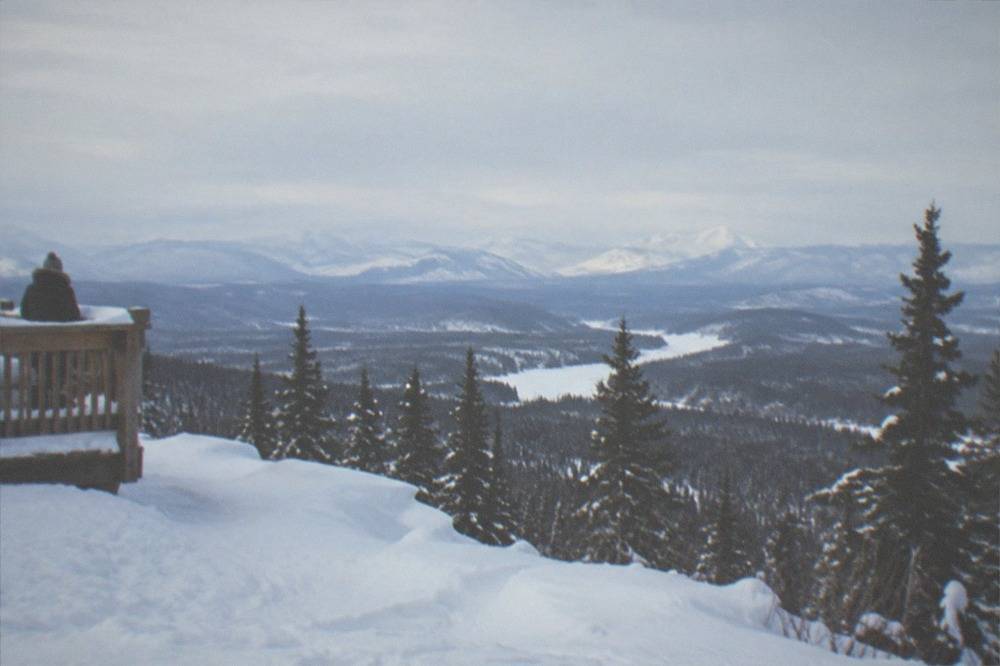
For aurora travelers stacking nights, the planning question that actually moves the needle is length of stay. Three or more nights during the season is the commonly cited threshold behind the widely reported 90 percent sighting figure, weather permitting. The how many days to stay in Fairbanks piece breaks that trade down, and the same logic explains the rest of the winter calendar: more nights, more chances at a clear, active sky, and zero change in the bear picture, which stays asleep either way.
Whichever of those three fits your trip, the season question is settled by the calendar: book inside August 21 to April 21, plan for cold rather than claws, and spend your worry on cloud cover and batteries. The bears of Interior Alaska will be spending those same months doing exactly what you will be doing a few hundred miles of calendar away from, sleeping through the coldest, darkest, best aurora nights of the year.
Common Questions About Bears Around Fairbanks
Are There Grizzly Bears Around Fairbanks?
Yes, grizzly bears live in Interior Alaska, including the wilder country around Fairbanks. But aurora tours run at night between late August and late April, in the months when those bears are denned, so bears are not a practical concern for a northern lights tour here.
Do Grizzly Bears Hibernate Near Fairbanks In Winter?
Yes, in the sense that matters. Interior Alaska grizzlies enter dens in fall and stay denned, inactive and not feeding, until spring. The exact weeks vary by animal and year, but deep winter, the heart of aurora season, is fully inside the denning period.
Is A Night Aurora Tour In Fairbanks Safe From Bears?
Yes. Tours run in denning season, at night, in groups, from heated lodges, yurts, glass houses or vans, with transport from major hotels. The realistic hazards on an aurora night are cold and ice, which is why operators brief on layers and warmth rather than wildlife.
What Animals Might You See Near Fairbanks During Aurora Season?
Moose are the large animal actually active around Fairbanks all winter, and tour drivers watch the roads for them. Snowshoe hares and foxes also stay active, though aurora viewing sites, chosen for open sky and darkness, are not where they gather. The dog sled and aurora combo is the winter animal experience built for travelers.
When Can You See Bears Around Fairbanks?
In the warm months, spring through fall, when bears are active and feeding. That is outside the aurora season's core. Summer hikers in Interior Alaska should treat bear awareness as a real part of trip planning, with groups, noise and wide berths as standard practice.
Should Summer Visitors To Fairbanks Worry About Bears?
Respect, more than worry. Summer and early fall place travelers in genuine bear habitat on trails, rivers and berry ground, and standard Interior Alaska precautions apply. Aurora-season visitors, by contrast, spend their nights behind glass or beside a van under the sky.