What Are The Odds Of Seeing The Northern Lights In Alaska?
An honest look at the odds of seeing the northern lights in Alaska, from the widely cited 90 percent figure for a 3+ night stay in Fairbanks to how the Kp index, clouds and the season window actually shape your chances.
What Are The Odds Of Seeing The Northern Lights In Alaska?
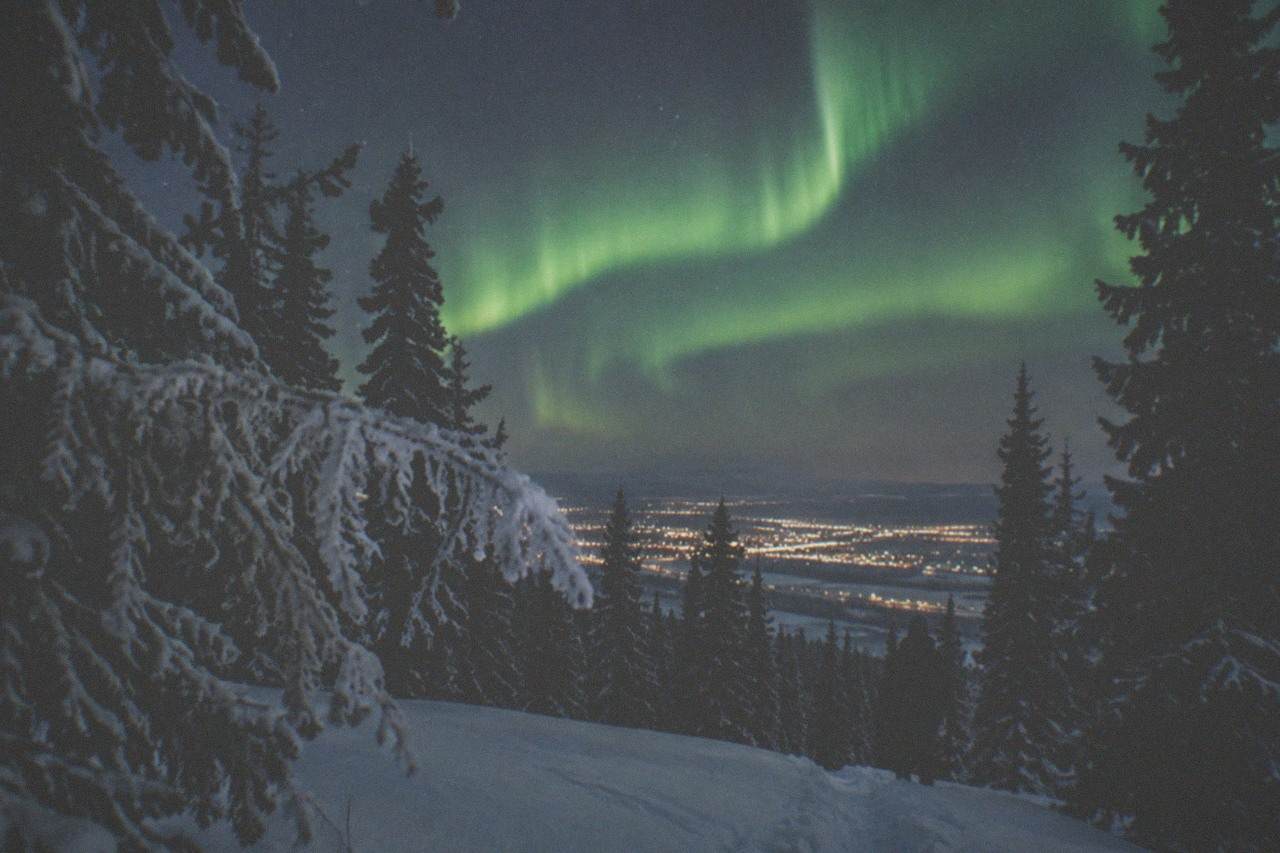
The honest answer starts with a number that gets repeated across Alaska tourism pages: roughly a 90 percent chance of seeing the aurora with a stay of three or more nights in Fairbanks during the season, weather permitting, with the lights visible on about four of five clear nights. That figure is a commonly cited estimate from destination marketing sources, not a promise from this site or any operator, and understanding why it holds up is the difference between planning a trip and gambling on one.
What Are The Odds Of Seeing The Northern Lights In Alaska?
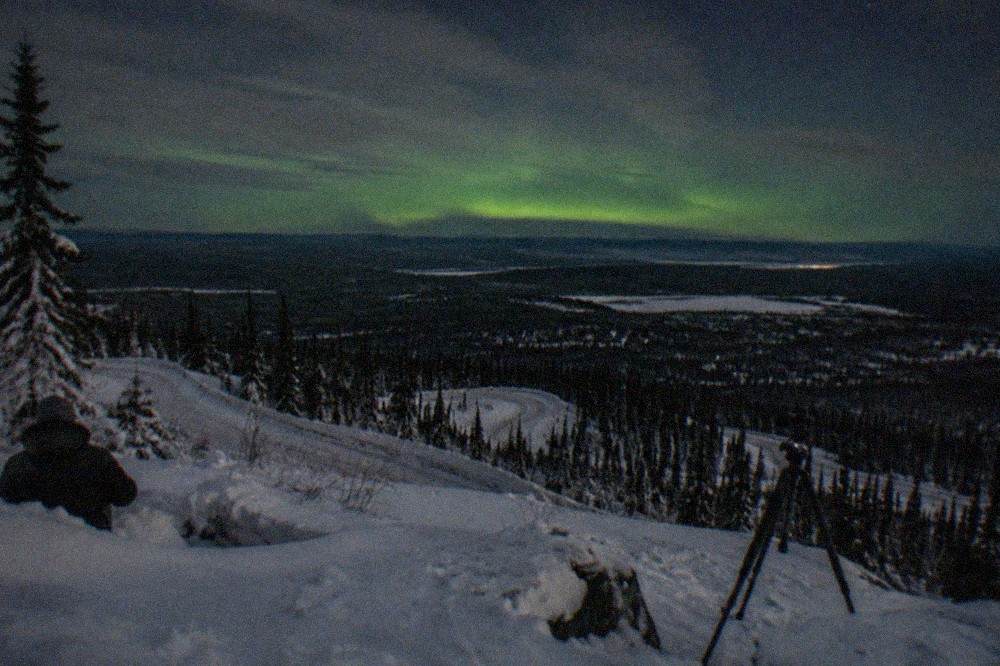
The widely cited figure is roughly a 90 percent chance of seeing the northern lights with a stay of three or more nights in Fairbanks during the season, weather permitting, and the lights are visible on about four of five clear nights. The odds climb sharply with geography: Fairbanks sits under the auroral oval at about 64.8 degrees north, which is why interior Alaska outperforms nearly every other US destination.
Two separate things determine whether you see the aurora on any given night, and people very often conflate them. The first is geomagnetic activity: charged particles from the sun hitting Earth's magnetic field and driving the auroral oval, measured on the planetary Kp index. The second is local viewing condition: darkness, clear sky and an unobstructed northern horizon. You can have a Kp 6 storm overhead and see nothing at all from under a cloud deck, and you can have a modest Kp 2 night with a brilliant green curtain filling the sky over the hills north of Fairbanks.
That is the core of the odds question. The aurora is not a lottery ticket. It is a natural phenomenon that is frequently active above Alaska during the season, and the odds are mostly a function of how many clear, dark windows you give yourself. A single night is a genuine gamble. Three nights under the oval, with mobility to escape cloud, is close to the best bet anywhere in the United States.
The season window matters more than most visitors realize. Fairbanks' aurora season runs August 21 to April 21, per Explore Fairbanks, the official destination marketing organization. Outside that window, twilight or the midnight sun prevents viewing even when the aurora is active overhead, so no summer trip to Alaska carries meaningful aurora odds at all. If you are booking a June cruise and hoping for the lights, the honest answer is that the odds are effectively zero in interior Alaska, and near zero everywhere else in the state.
For readers who want to raise the odds rather than read about them, the three formats above are the strongest starting points on this roster: a mobile small-group chase, a fixed lodge with large north-facing windows, and a hot springs combo at Chena (see Chena Hot Springs). The rest of this article explains where each factor comes from, so you can judge which format fits your own tolerance for cold, driving and waiting.
Where In Alaska Are Your Northern Lights Odds Best?
Fairbanks and the interior have the best odds in Alaska, because the city sits at roughly 64.8 degrees north, directly beneath the typical auroral oval. The oval is the ring of aurora that circles the geomagnetic pole, and being under it means visible aurora is often possible at Kp values of just 2 to 4, activity that would produce nothing visible in Anchorage or the mid-latitudes.
Anchorage, at about 61 degrees north, sits south of the typical oval. That gap sounds small on a map, but in aurora geometry it is the whole story. On a quiet night with Kp 2, the aurora forms over Fairbanks and points north. Anchorage needs stronger geomagnetic activity, generally Kp 5 and above, for the oval to stretch far enough south to be visible over the city, and by then you also need the notoriously coastal cloud cover to break. This is why the serious aurora itineraries in Alaska are built around Fairbanks, not around Southcentral.
The full odds hierarchy in Alaska, from best to worst, looks like this:
| Location in Alaska | Position relative to the auroral oval | Typical Kp needed for visible aurora | Practical odds during season |
|---|---|---|---|
| Fairbanks / interior | Under the typical oval at 64.8 degrees N | Roughly 2 to 4 | Highest in the state; 90 percent commonly cited with 3+ nights |
| Coldfoot / Brooks Range north of Fairbanks | Directly under the oval, more remote | Roughly 2 to 4 | Comparable odds, harder access, longer nights |
| Anchorage / Southcentral | South of the typical oval | Roughly 5 and above | Meaningfully lower; cloud and city light add friction |
| Southeast Alaska (Juneau, Ketchikan) | South of the oval, very cloudy maritime climate | Roughly 5 and above | Lowest practical odds in the state |
The northern half of the state, up the Dalton Highway toward Coldfoot and the Brooks Range, sits even more squarely under the oval, and midwinter brings even longer darkness there. The trade-off is logistics: roughly 194 to 200 miles from Fairbanks to the Arctic Circle marker at milepost 115, and most national rental-car companies prohibit driving the Dalton Highway or void insurance coverage for it, per the Bureau of Land Management's Arctic Interagency Visitor Center. That is a long way to travel to gain odds you can largely match by standing still for three nights in Fairbanks.
This is also the practical argument for guided formats over self-driving. A chase tour can move toward a gap in the cloud. A fixed lodge with north-facing windows can hold a warm position for hours. A rental car gives you freedom but puts the forecast-reading burden on you. If your odds question is really a planning question, the deeper comparison of formats lives in our guide to the best northern lights tours in Fairbanks.
What Does The 90 Percent Figure Actually Mean, And Where Does It Come From?
The 90 percent figure is a commonly cited estimate, repeated across destination marketing and tourism sources including Explore Fairbanks, that a visitor staying three or more nights during the Fairbanks aurora season has roughly a 90 percent chance of seeing the aurora, weather permitting, with the lights visible on about four of five clear nights. It is a widely reported planning figure, not a scientific measurement or this site's own data.
It is worth unpacking that sentence honestly, because the number shows up stripped of its context all over the internet. The claim is not that nine out of ten nights produce a sighting. It is that three or more consecutive nights of trying, during the season, under the oval, gives you very good cumulative odds, because each clear night in Fairbanks carries a roughly four-in-five chance of the aurora being visible. Stack three or four attempts and the failures have to line up repeatedly to defeat you.
The "weather permitting" clause is doing real work in that sentence. The aurora itself is active far more often than the four-of-five figure suggests; the limiting factor is cloud. Interior Alaska's winter climate brings frequent clear or partly clear nights between weather systems, which is precisely why the Fairbanks plateau, rather than the coast, is the classic viewing base. Southeast Alaska gets the same aurora on paper and almost none of it in practice, because the maritime cloud deck rarely lifts.
The honest caveats, then, are three. The figure describes the season, August 21 to April 21, not the whole year. It describes people who are actually out looking at night, not people who glance out a hotel window once. And it describes a sustained multi-night stay, which is exactly why our separate piece on how many nights to stay in Fairbanks for the aurora treats three nights as the floor and four as the comfortable margin.
One more nuance matters for 2026 planning. Solar Cycle 25 peaked in smoothed sunspot terms around October 2024 and has been declining since; by February 2026 the smoothed sunspot number had fallen to about 99.8. But geomagnetic activity, the more direct aurora driver, has stayed relatively elevated into 2026, with storms still occurring. The honest framing is a declining cycle that remains active, not a collapse, and not a claim that any single year is "the best ever."
How Does The Kp Index Change Your Odds In Fairbanks?
The Kp index is a 0 to 9 planetary geomagnetic activity scale, and in Fairbanks visible aurora is often possible at low values of roughly 2 to 4, because the city sits under the auroral oval rather than at the southern edge of it. The index is a global average, though, so it is a planning tool, not a local guarantee tied to any single threshold.
The index works by averaging three-hour measurements from magnetometers around the planet, which is why a strong global reading can coincide with a quiet local sky and vice versa. The University of Alaska Fairbanks Geophysical Institute publishes a 3-day aurora forecast updated daily, built on the Kp index, and it is the single most useful pre-trip planning tool for Alaska aurora odds. Read it alongside a local cloud forecast and you have the two halves of the question.
Here is the practical difference geography makes to the same number:
| Kp value | What it means globally | Fairbanks odds under the oval | Mid-latitude or Anchorage odds |
|---|---|---|---|
| 0 to 1 | Very quiet | Faint aurora possible to the north on a clear night | Effectively none |
| 2 to 3 | Low activity | Good odds of visible aurora, often low on the northern horizon | Generally none visible |
| 4 to 5 | Moderate disturbance | Strong displays, overhead activity possible | Aurora possible on the northern horizon |
| 6 to 7 | Storm level | Bright, active, fast-moving displays | Clearly visible, possibly high in the sky |
| 8 to 9 | Major storm | Rare, exceptional displays | Visible far south of the oval |
The takeaway is not to chase high Kp. The takeaway is that in Fairbanks you do not need high Kp. A Kp 3 night with a clear sky over the Chena River valley regularly produces the postcard photographs, while a Kp 7 night under cloud produces a very cold drive home. This is why experienced planners treat Kp as a tiebreaker between dates and cloud cover as the deciding factor, and why a tour that can relocate on the night is worth real money on a marginal evening.
The equinoxes deserve a mention here. Peak viewing opportunities are often noted around the equinox months, because the Russell-McPherron effect tends to enhance geomagnetic activity when Earth's magnetic geometry aligns favorably in spring and autumn. That is a statistical lean, not a rule; midwinter contributes the longest darkness, which buys you more viewing hours each clear night.
How Many Nights Do You Actually Need In Fairbanks To See The Aurora?
One night in Fairbanks during the season is a genuine coin toss, heavily dependent on cloud. Two nights improves things substantially. Three or more nights is the point where the commonly cited 90 percent figure applies, and four nights adds a comfortable margin. Every extra night helps less than the one before, but the first night alone is the worst position to be in.
The arithmetic behind that is simple. If the aurora is visible on roughly four of five clear nights under the oval, and interior Alaska delivers a mix of clear and cloudy nights through winter, then a single night is hostage to one cloud forecast. Two nights lets one weather system pass. Three nights means you are no longer betting on weather at all; you are just waiting, warmly, for your turn. More of these guides are collected on Fairbanks Aurora Borealis Tours.
The other factor nights buy you is time-of-night coverage. The aurora does not keep office hours, but the strongest displays cluster in the hours around magnetic midnight, and substorms can arrive in bursts any time the oval is active. A three-night stay gives you three full windows of those hours, and a guided tour format keeps you outside and warm through the slow stretches between them. Lodge-based viewing, with north-facing windows and hot drinks, is the low-effort version of the same logic; the lodge listing on this roster runs from $160 per person with a 4.5 rating from 34 reviews, and transport from major hotels is included.
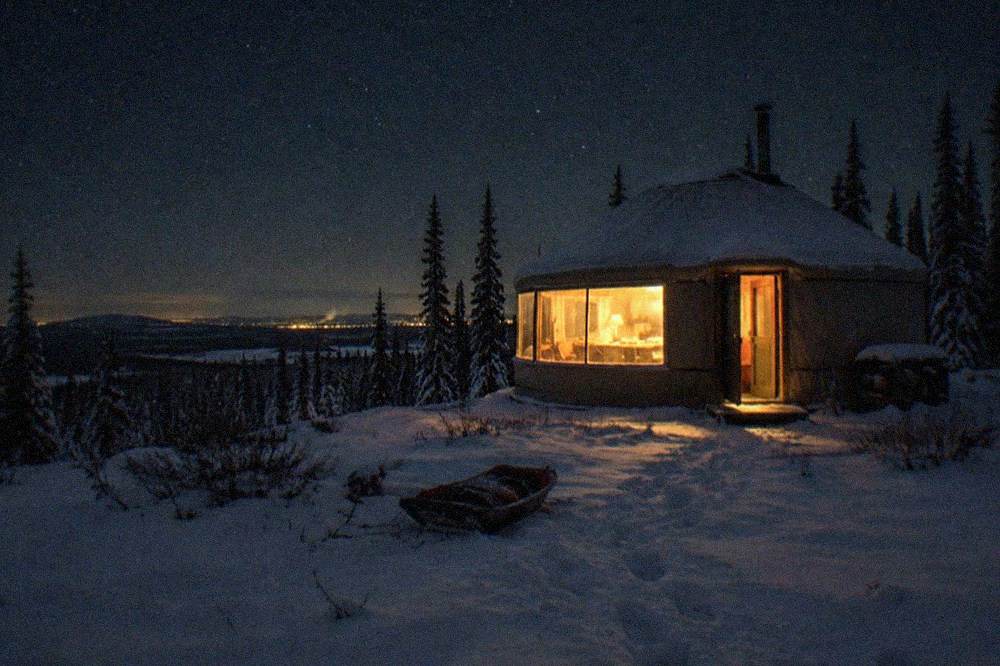
For travelers compressing a trip, the priority order is clear: pick Fairbanks over Anchorage, pick the season over the summer, and pick a third night over almost any other upgrade. The difference between two and three nights is worth more to your odds than the difference between a good camera and none, or between a hotel in town and a lodge on a hill, though the hill does help with the horizon.
What Month Has The Best Odds Of Seeing The Northern Lights In Alaska?
The odds stay fairly steady from late August through mid-April, because geomagnetic activity does not follow the calendar. What changes month to month is darkness and weather: midwinter offers the longest viewing windows, with roughly 3 hours 41 to 42 minutes of daylight at the December solstice, while spring and autumn trade darkness for milder temperatures and the equinox activity lean.
The seasonal distinction trips up a lot of first-time visitors. There is no "aurora month" in the way there is a foliage month. The aurora is equally capable of appearing in September and in January; the season window exists because of darkness, not because the sun switches on in August and off in April. Any date between August 21 and April 21 carries real odds, and any date outside it carries essentially none in interior Alaska.
What the months change is the shape of your night. At the solstice, sunrise sits near 10:58am and sunset near 2:40pm, which means better than twenty hours of potential darkness, and a tour that runs past midnight is nowhere near the end of its useful window. By late February, daylight stretches back to about ten hours, the evenings are shorter but the temperatures are far more forgiving for standing outside.
| Period | Darkness available each night | Practical viewing notes for the interior |
|---|---|---|
| Late August to September | Long nights return quickly | Milder temperatures, equinox activity lean, occasional wildfire-season haze early on |
| October to November | 14+ hours of darkness | Cold settles in, highs around 12 to 14F by November, snow cover improves horizon contrast |
| December to January | Roughly 20+ hours of darkness | Deepest cold, January lows around -16 to -17F on average, best odds-per-night if dressed for it |
| February to mid-April | Ten or more hours of darkness by late February | Cold easing, March highs around 25 to 27F, strong all-round month |
The month choice, in the end, is mostly a comfort choice with an equinox lean. If your odds question is about maximizing them specifically, three midwinter nights beat one equinox night, and four beats three in any month. If your question is about standing outside for hours without misery, February and March offer nearly the same darkness with far kinder temperatures.
What Do Clouds Do To Your Northern Lights Odds In Alaska?
Cloud cover is the single biggest enemy of aurora odds in Alaska, and it defeats geomagnetic strength every time. The aurora can be visible on about four of five clear nights under the oval, but a fully overcast sky turns even a major storm into zero odds, which is why mobility and a multi-night stay matter more than any Kp forecast.
Interior Alaska is the favored aurora base partly for this reason. The Tanana Valley's continental climate produces a rhythm of clear and cloudy nights rather than the persistent maritime deck that covers coastal Alaska, and the cold, dry air of midwinter often brings long stretches of transparency. When a system does sit over Fairbanks, it is usually a question of a night or two, not a week.
This is the argument for the chase format. A fixed viewpoint is a bet on the cloud forecast over one specific hill. A small-group chase tour makes that decision on the road at 10pm, driving toward the gap. The premium chase on this roster, rated 5 from 789 reviews and from $335 per person, exists precisely for this failure mode, and the premium price is buying forecast-reading, a driver and fuel, not a better aurora.
There is a planning lesson in that too: check the cloud forecast daily during your stay rather than the night before, and be willing to shift your viewing night. Travelers with a rental car and a clear forecast can drive north of the city lights themselves; travelers without either should let an operator make that call. The one genuine mistake is surrendering after one cloudy night, because the three-night odds figure assumes you keep showing up.
Do Guided Tours Improve Your Odds Of Seeing The Northern Lights?
A guided tour does not change the aurora, but it improves your effective odds by solving cloud mobility, cold, timing and horizon in one package, and the best format for you depends on which of those is your weakest link. The lights remain a natural phenomenon with no guarantee on any tour, and every honest listing says so.
Compare the main formats by what they actually fix:
| Format | What it fixes | What it cannot fix | Typical starting price on this roster |
|---|---|---|---|
| Small-group chase tour | Cloud mobility, timing, forecast reading | A fully statewide overcast system | From $215 per person |
| Premium chase tour | Same, with a stronger guide-to-guest ratio and track record | Same, any night the whole region clouds over | From $335 per person |
| Lodge or yurt viewing | Cold, horizon, comfort over many hours | Its fixed position under local cloud | From $160 per person |
| Hot springs combo at Chena | Cold, comfort, and a full evening's activities in one trip | The drive is fixed regardless of cloud at the resort | From $275 per person |
The fixed formats are not a worse bet than they look, either. A lodge holds you in a warm room with a huge north-facing window from late evening until the small hours, which means you are watching at the exact hours the aurora tends to perform, and you do not give up when the first hour is quiet. Perseverance is an odds multiplier that no gear can replace. Many of the strongest displays of a Fairbanks winter arrive after midnight, when the crowds have gone home.
The tours cannot promise anything, and the honest ones never do. What they sell is the removal of every controllable obstacle: the cold that drives people indoors, the light pollution that hides faint activity, the decision fatigue of choosing a viewpoint in the dark, and the cloud problem where driving can actually help. For a deeper format-by-format comparison, see our guide to Fairbanks aurora viewing by bus and lodge.
Whichever format you choose, the odds themselves do not move much between them. The aurora will be active over the interior on roughly four of five clear nights of your stay, and your job is simply to be outside, warm and patient under it on enough of those nights. Three nights is the threshold that makes the widely cited 90 percent figure honest, and any format that keeps you out longer raises your share of those clear nights.
Common Questions About Northern Lights Odds In Alaska
What Are The Odds Of Seeing The Northern Lights In Alaska?
The widely cited figure is roughly a 90 percent chance of seeing the aurora with a stay of three or more nights in Fairbanks during the August 21 to April 21 season, weather permitting, with the lights visible on about four of five clear nights. It is a commonly reported planning figure from destination sources, not a guarantee, and it assumes you are actually out looking each night.
Are the odds better in Fairbanks or Anchorage?
Fairbanks has clearly better odds. It sits at roughly 64.8 degrees north, directly under the auroral oval, so visible aurora is often possible at Kp 2 to 4. Anchorage sits south of the typical oval and generally needs Kp 5 or higher, plus a break in coastal cloud, for a sighting.
How many nights do I need in Fairbanks to see the aurora?
One night is a genuine gamble on the cloud forecast. Two nights improves things substantially. Three nights is where the commonly cited 90 percent figure applies, and four adds a comfortable margin. Every additional night helps your cumulative odds, because the aurora is visible on roughly four of five clear nights under the oval.
Can I see the northern lights in Alaska in summer?
Effectively no, in interior Alaska. The aurora season runs August 21 to April 21, and outside that window twilight or the midnight sun prevents viewing even when the aurora is active overhead. If seeing the lights is the goal, book within the season window.
Does a high Kp number guarantee I will see the aurora?
No. Kp measures planetary geomagnetic activity on a 0 to 9 scale, and Fairbanks often sees the aurora at Kp 2 to 4 because it sits under the auroral oval. A high Kp night under a cloudy sky still produces nothing, so cloud cover, not Kp, is usually the deciding factor.
Do aurora tours guarantee a sighting?
No tour can guarantee the aurora, and honest listings never claim to. What tours improve are your effective odds: a chase tour can drive away from cloud, a lodge holds you in a warm spot with a clear northern horizon through the best hours, and both keep you watching longer than most independent travelers last in the cold.