Why Is Fairbanks So Famous?
Fairbanks is famous for sitting directly under the auroral oval at roughly 64.8 degrees north, giving it one of the world's most reliable northern lights seasons from August 21 to April 21. Here is what drives that reputation, plus what to book.
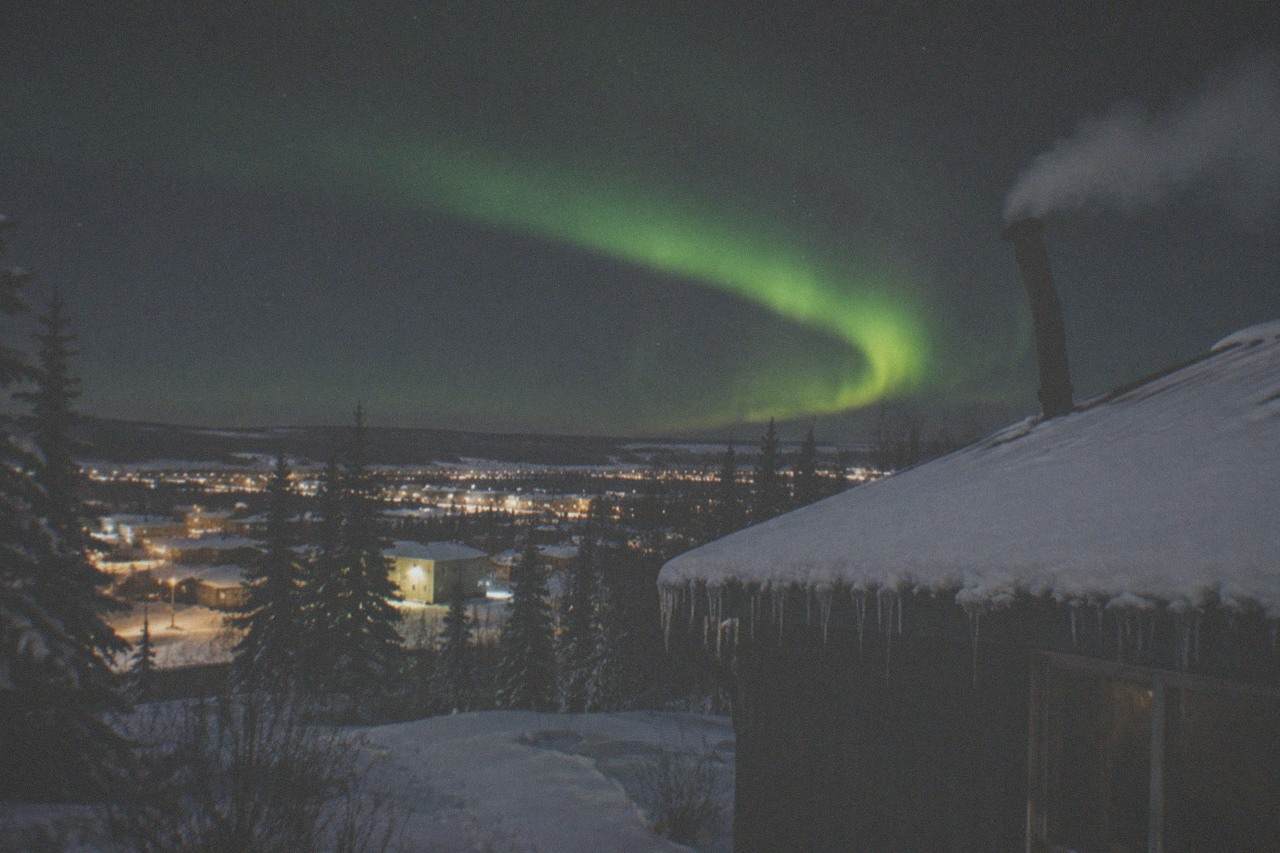
Fairbanks is famous for geography more than glamour. The city sits at roughly 64.8 degrees north in Alaska's Interior, directly beneath the auroral oval, the ring of charged-particle activity that circles the magnetic pole. When that ring glows, Fairbanks is under it. The season runs from August 21 to April 21, and a commonly cited figure from Explore Fairbanks holds that visitors who stay three or more nights during the season have roughly a 90 percent chance of seeing the aurora, weather permitting, with the lights visible on about four of five clear nights. That combination, reliable darkness, a northern latitude and a compact tour infrastructure built around it, is the core of the city's reputation.
Why Is Fairbanks So Famous?
Fairbanks is famous for sitting under the auroral oval at roughly 64.8 degrees north, which gives it a northern lights season stretching from August 21 to April 21 each year. It is also the logistics hub of Alaska's Interior, the jumping-off point for Chena Hot Springs and the Dalton Highway toward the Arctic Circle, and a base where tour operators run nightly aurora hunts all winter.
The fame is not evenly distributed. Ask a visitor from Japan or the United Kingdom and the answer is almost always the aurora; Fairbanks markets itself internationally on that basis. Ask a rail employee or a bush pilot and the answer is different: the city is where the road system, the Alaska Railroad and the Interior's air network meet, the last sizeable city before the country thins out toward the Brooks Range.
The aurora reputation rests on measurable advantages rather than luck. Fairbanks sits under the typical auroral oval, so the lights pass overhead at activity levels that would leave mid-latitude cities staring at nothing. The Interior also enjoys frequent clear, dry winter nights; cold air pooling in the Tanana Valley suppresses cloud in a way coastal Alaska rarely matches. Longer nights help too, though they extend viewing hours rather than raise the odds of clear sky, and it is worth keeping those two ideas separate.
The practical result is a city that has built an entire winter economy on a natural phenomenon. Lodges with north-facing windows sit on ridgelines outside town. Vans with heated interiors patrol the roads each night, chasing gaps in the cloud. A hotel guest in January can step from a warm lobby into a shuttle and be looking at the sky within an hour, which is precisely the experience most visitors come for.
For travelers who want that experience, the three listings below are the formats most Fairbanks visitors compare first: a premium small-group chase, a hot springs combo and a lodge-based viewing night.
The short version of how those three differ: the chase moves, the hot springs combo pairs a soak with the sky, and the lodge stays put behind glass. Each suits a different traveler, and the sections below break down when each one earns its price.
Where Does Fairbanks Sit Under The Aurora?
Fairbanks sits at roughly 64.8 degrees north, under the typical auroral oval, which means visible aurora often appears here at Kp values of roughly 2 to 4 on the 0 to 9 planetary scale. The University of Alaska Fairbanks Geophysical Institute publishes a free 3-day and 27-day forecast built on that index, updated daily, which residents and tour operators alike use to plan viewing nights.
The Kp index measures planetary geomagnetic activity on a scale from 0 to 9, averaged from magnetometer stations worldwide. Higher values push the auroral oval southward, which is why the same Kp 7 event that excites photographers in Minnesota is an ordinary working night in Fairbanks. The city is already inside the ring. Fairbanks can see the lights at low activity, though the index is a global predictor rather than a purely local one, and local readings can differ from the planetary number.
That asymmetry is the city's quiet advantage and the reason aurora tourism concentrates here rather than in Anchorage, three degrees of latitude and a mountain range further south. Anchorage sits near 61 degrees north and typically needs a stronger disturbance for an overhead display, and its coastal weather is cloudier. Fairbanks offers the geometry without the maritime cloud, a combination the Interior's cold, pooled air makes possible.
The forecast layer matters because the aurora is never guaranteed, and honest planning treats it as odds rather than promises. The Geophysical Institute's forecast is the standard reference, published at the UAF Geophysical Institute aurora forecast page. Tour operators layer a second variable on top of it: cloud cover. A strong geomagnetic night under solid overcast produces nothing, which is why chase-format tours exist at all. A chase guide drives to find clear sky, sometimes for hours, and that mobility is what separates a premium listing from a fixed viewing point.
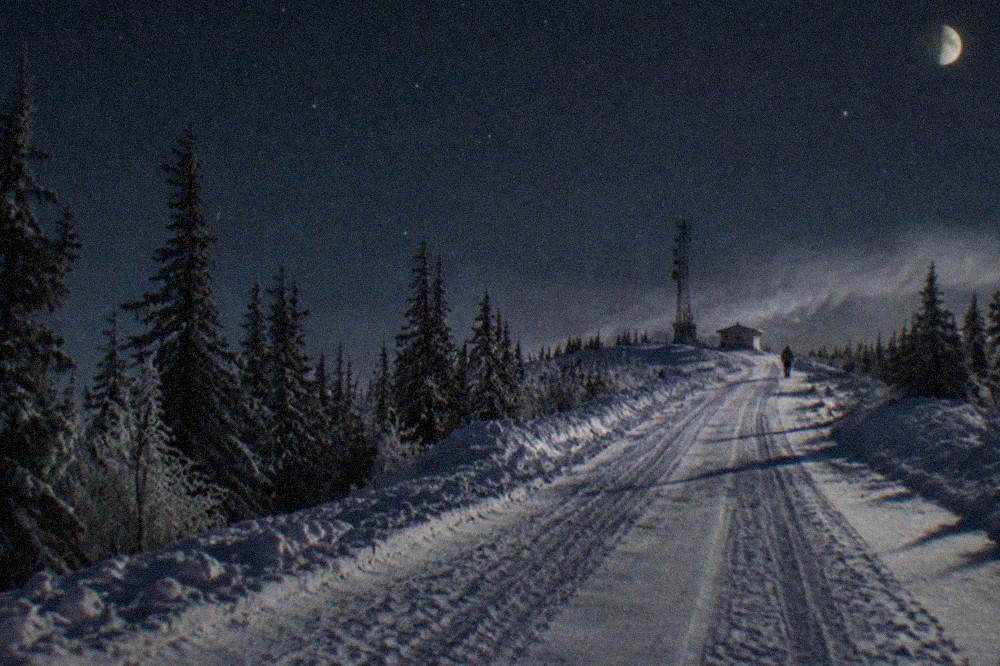
The premium chase format is the most direct way to act on that forecast. The Premium Aurora Viewing Tour, a small-group chase rated 5.0 from 789 reviews, runs from $335 per person, and its whole value proposition is that the vehicle moves: if Fairbanks itself is clouded, the guide heads toward the clearing. Travelers weighing that against a fixed lodge night can check the live details on the tour page or on the operator's listing.
Booking a chase is one of the few decisions in aurora travel that directly answers a weather problem rather than only a comfort preference. A fixed lodge is warmer and cheaper; a chase costs more precisely because it buys the flexibility that a cloud-covered Interior night demands. Which one fits depends on the rest of the plan, and the season section below is where that plan usually starts.
What Is The Aurora Season In Fairbanks?
Fairbanks' aurora season runs from August 21 to April 21, a window set by astronomical darkness rather than solar activity. Outside it, late-spring and summer twilight plus the near-midnight sun prevent viewing even when the aurora is active overhead. During the season, a widely reported figure credits visitors staying three or more nights with roughly a 90 percent chance of a sighting, weather permitting, with the lights visible on about four of five clear nights.
Eight months of viewing season is unusual. Most aurora destinations at comparable latitudes, in Scandinavia or Iceland, are limited by ocean weather to a shorter practical season; Fairbanks' dry Interior winters stretch the usable window to nearly two-thirds of the calendar year. The official window comes from Explore Fairbanks, the destination marketing organization, and every tour operator in the city plans around it.
Peak viewing is often noted around the equinoxes, when the Russell-McPherron effect tends to enhance geomagnetic activity, and in mid-winter, when darkness is longest. Neither equinox nor midwinter makes the lights themselves more likely hour for hour; the equinox months tilt the geomagnetic odds slightly, and midwinter simply supplies more hours in which to look.
| Period inside the season | What characterizes it | Best suited for |
|---|---|---|
| Late August to September | Equinox-season activity, milder nights, autumn colors by day | Travelers combining aurora with scenic drives |
| December to January | Longest darkness, solstice gives about 3 hours 41 minutes of daylight | Maximum viewing hours, deepest winter experience |
| February to March | Equinox approach, daylight back to about 10 hours by late February | Balancing aurora nights with daytime sightseeing |
| Early April | Season closes April 21, nights still dark enough | Late-season travelers avoiding deepest cold |
The solar-cycle backdrop adds a note of nuance worth understanding before booking. Solar Cycle 25 peaked at a smoothed sunspot number around 160.9 in October 2024 and has been declining since, but the geomagnetic activity that actually drives auroras has stayed relatively elevated into 2026. The honest framing is that the sunspot peak has passed while storm-level activity has not yet faded, and significant events are expected to become less frequent after 2026 as the cycle slides toward its next minimum. Any claim that a single year is definitively the best ever should be treated as marketing rather than meteorology.
For visitors turning that season knowledge into a booking, the hot springs combo is the format that fills the daytime hours a chase leaves empty. The Chena Hot Springs Resort combo, rated 4.5 from 1,342 reviews and running from $275 per person, pairs the springs with an aurora viewing night, one reason it anchors many Fairbanks itineraries. The pairing is laid out in detail in our guide to Chena Hot Springs aurora tours.
How Cold And Dark Does Fairbanks Get?
Fairbanks winter normals run from November highs around 12 to 14F with lows around -2 to -4F down to January highs around 1 to 2F with lows around -16 to -17F, often the coldest month. The 2025-26 winter, December through March, was Fairbanks' coldest on record, averaging nearly -14F per the National Weather Service. Solstice daylight is roughly 3 hours 41 minutes, lengthening to about 10 hours by late February.
The cold is not an incidental feature of the fame; it is a cause of it. The same Interior climate that keeps winter skies clear also makes Fairbanks one of the coldest cities of its size in North America. Cold air pools in the Tanana Valley under temperature inversions, sweeping clouds and moisture out of the picture and leaving the transparent sky that aurora photography depends on. Visitors who dress for it are rewarded; visitors who arrive in street shoes are not.
| Month | Average high | Average low | Note for aurora travelers |
|---|---|---|---|
| November | 12 to 14F | -2 to -4F | Early winter, colder nights begin |
| December | 4 to 5F | -12 to -13F | Solstice darkness near maximum |
| January | 1 to 2F | -16 to -17F | Often the coldest month |
| February | 12 to 13F | -10 to -11F | Cold but brightening |
| March | 25 to 27F | About -3F | Milder nights, longer viewing evenings possible |
The record winter of 2025-26 illustrates the range. A prolonged Arctic air mass kept the city below freezing from Halloween onward, and the December-to-March average of nearly -14F edged out the previous record from 1965-66, according to the National Weather Service. That is the upper end of what a Fairbanks winter does; a mild March can sit thirty degrees warmer than a brutal January. Planning around the normals, not the records, is the sane approach.
Daylight shapes the rhythm of a winter visit as much as temperature does. On December 21 the sun rises around 10:58am and sets around 2:40pm, giving roughly 3 hours 41 to 42 minutes of daylight. That sounds punishing until reframed for aurora purposes: the viewing window in midwinter can stretch past twelve hours of usable darkness, and tours run through it. By late February daylight rebounds to about 10 hours, which is why February and March suit travelers who want daytime sightseeing alongside the lights.
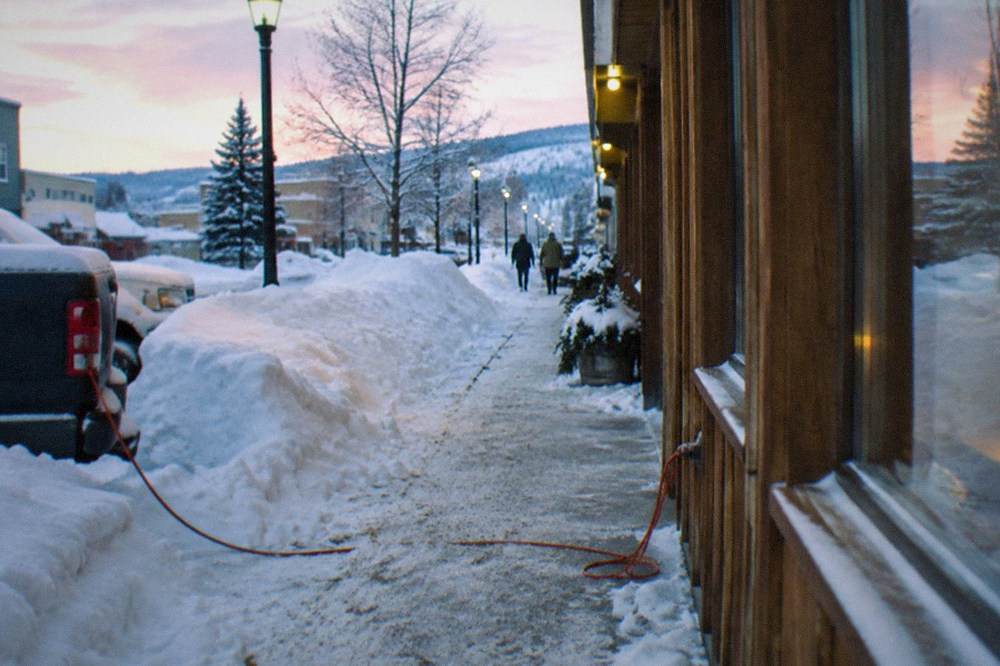
Clothing decisions follow directly from these numbers, and underdressing is the most common first-night mistake among visitors. Layering, insulated boots and battery-keeping habits matter more than any camera gear; a detailed rundown lives in what to wear on a Fairbanks aurora tour. The lodge and glass-house formats exist partly because of this cold, offering heated vantage points for travelers who want the sky without standing in -15F air for hours.
What Beyond The Aurora Makes Fairbanks A Destination?
Fairbanks anchors two well-known Interior destinations: Chena Hot Springs Resort, about 60 miles northeast via Chena Hot Springs Road, roughly a 1 to 2 hour drive, and the Dalton Highway, whose Arctic Circle marker sits at milepost 115, roughly 194 to 200 miles north. The resort's Aurora Ice Museum, billed as the world's largest year-round ice environment, and the full-day Arctic Circle drives give the city a daytime identity beyond the night sky.
Chena Hot Springs is the closer and easier of the two. The resort's own materials describe it as 60 scenic miles from Fairbanks, with sources citing 56.5 to 61 miles depending on route and measurement. Its signature attraction is the Aurora Ice Museum, built from over 1,000 tons of ice and snow, completed in January 2005, and held at a constant 25F by a geothermal absorption chiller. Forty-five-minute guided tours run year-round, typically at 11am, 1pm, 3pm, 5pm and 7pm, at $20 for adults and $15 for children ages 6 to 11, while the outdoor hot springs pool is open 7am to 11:45pm daily. Details are on the resort's official site.
The Arctic Circle trip is the ambitious option. The Dalton Highway, locally the Haul Road, runs gravel and remote to the marker at approximately 66 degrees 33 minutes north. One-way drive time is commonly cited around 5 hours under good conditions, and full-day round-trip tours commonly run 12 to 16 hours. Winter brings snow, ice, refreeze black ice and blowing-snow advisories; Alaska's transportation authorities advise checking 511.alaska.gov for real-time conditions before any Dalton travel. Notably, the Bureau of Land Management's Arctic Interagency Visitor Center notes that most national rental-car companies prohibit driving the highway or void insurance on it, which is why guided van tours dominate this route.
| Interior destination | Distance from Fairbanks | Realistic time budget | Signature draw |
|---|---|---|---|
| Chena Hot Springs Resort | About 60 miles northeast | 1 to 2 hours each way | Hot springs pool, Aurora Ice Museum |
| Arctic Circle marker (Dalton Highway) | Roughly 194 to 200 miles north | About 5 hours one way, 12 to 16 hours round trip | Crossing 66 degrees 33 minutes north |
| Murphy Dome viewing area | Hilltop west of the city | Under an hour | Budget hilltop aurora viewing |
The marker trip's return leg is timed for a reason: many full-day versions schedule the aurora hunt for the drive home, arriving back in Fairbanks around 3am. The Full-Day Arctic Circle tour on this site's roster, rated 4.5 from 171 reviews and running from $330 per person, carries a "Likely to sell out" badge on its listing and offers free cancellation. It is the most extreme day-trip on the roster and the clearest example of how far the city's reach extends; the Arctic Circle aurora tour guide covers the full day hour by hour.
What ties these together is that Fairbanks functions as a base in the way few American cities do. A visitor can soak in a geothermal spring one afternoon, stand at the Arctic Circle the next day, and chase the aurora every night in between, all from one hotel room. Our overview of the best northern lights tours from Fairbanks covers the night half of that equation in detail.
Which Fairbanks Tour Matches Your Plans?
The main formats are the premium chase from $335 per person at 5.0 from 789 reviews, the lodge and yurt viewing night from $160 per person at 4.5 from 34 reviews, and the Chena Hot Springs combo from $275 per person at 4.5 from 1,342 reviews. Budget hilltop viewing starts at $99 per person, photography-focused tours run from $385, and the Arctic Circle full-day trip costs from $330.
Comparing formats honestly means comparing what each buys. A chase buys mobility: the guide reads the forecast and the cloud map and moves accordingly. A lodge buys comfort and stability: heated rooms with large north-facing windows, no driving after midnight. The hot springs combo buys a full day: a resort, an ice museum and a viewing component woven together. Price alone does not rank them; the value depends on weather tolerance, cold tolerance and how much of the trip is about the sky versus the experience around it.
| Format and tour | Price per person | Rating and reviews | What it buys |
|---|---|---|---|
| Premium Aurora Viewing Tour (small-group chase) | From $335 | 5.0 from 789 reviews | Mobility toward clear sky |
| Small-Group Aurora Chase | From $215 | 5.0 from 557 reviews | Chase format at a lower price |
| Hot Springs Combo, Chena Resort | From $275 | 4.5 from 1,342 reviews | Resort day plus aurora night |
| Lodge and Yurt Aurora Viewing | From $160 | 4.5 from 34 reviews | Heated indoor viewing |
| Budget Hilltop, Murphy Dome | From $99 | 4.5 from 317 reviews | Low-cost hilltop night |
| Photo Lessons and Portraits Included | From $385 | 5.0 from 245 reviews | Guided photography with portraits |
The premium chase is the listing that most directly monetizes the city's fame. The Premium Aurora Viewing Tour from $335 per person, rated 5.0 from 789 reviews, is built around finding the sky rather than waiting under it, and its review pool is the deepest of the chase-format listings on the roster.
The premium pick is not the only sensible one. Budget travelers do well on the Murphy Dome hilltop format at $99, and travelers who hate cold do better behind the glass of a lodge at $160. What the premium tour sells is the highest probability per night that the group ends up under a clear, active sky, which is exactly what a short-stay visitor is buying. Travelers with three or more nights can afford a cheaper format precisely because they have more attempts; our article on how many days to stay in Fairbanks for the lights works through that math.
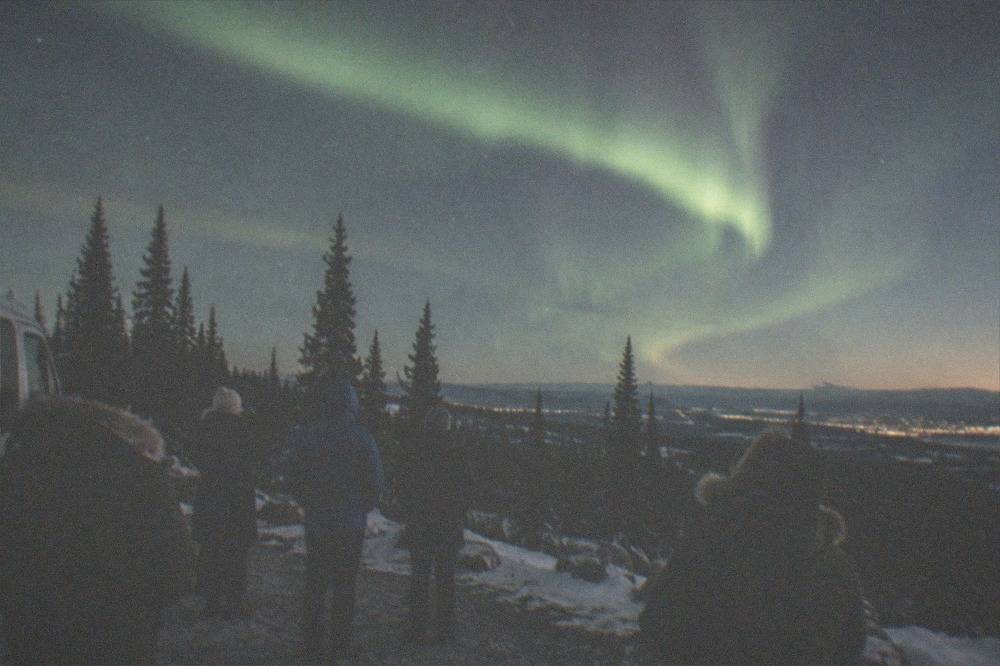
One planning note that applies across every format: the aurora is a natural phenomenon and no listing guarantees a sighting. The reputable operators state this plainly, and the widely repeated three-night, 90 percent figure is a statistical statement about long stays, not a promise about any single night. Treat every tour purchase as buying access, guidance and warmth, with the sky as the variable.
How Do You Turn The Fame Into An Actual Trip?
Plan three or more nights inside the August 21 to April 21 season, book the tour format that matches your cold and weather tolerance, and use the UAF forecast alongside the local cloud picture rather than as a standalone promise. The most common itinerary pattern is a nighttime tour every other night, with Chena Hot Springs or an Arctic Circle day trip filling the gaps.
The three-night minimum is not superstition; it is arithmetic. If the lights are visible on about four of five clear nights and Interior weather is fickle, a single night is a coin flip weighted by luck, while three nights approach the widely cited 90 percent figure. Visitors who book one night and fly out the next morning have, statistically, the worst possible plan, and the ones who leave disappointed usually did exactly that.
Sequencing matters too. Chasing the aurora on the first night works well because it immediately tells you whether the sky cooperates; a fixed lodge night is better saved for a night when the forecast is strong and you want comfort rather than mobility. Daytime slots fill naturally with Chena Hot Springs, the Ice Museum or, for the ambitious, the Arctic Circle drive (see Aurora Ice Museum). The city's compactness is an asset here: nearly every tour departs from the Fairbanks area, with the exact pickup or meeting point shown on each listing.
Browsing the full set of options at Fairbanks Aurora Borealis Tours is the practical step, since the roster covers every format from the $99 hilltop night to the private tour with hotel pickup. Free cancellation applies to some listings, including the lodge and yurt viewing and the Arctic Circle full-day trip, so a tentative itinerary can be booked early and adjusted when the forecast sharpens.
For format decisions, these three listings cover the range most visitors actually choose among, and they are the ones this site's readers compare most often.
The fame, reduced to its parts, is latitude plus weather plus infrastructure. Latitude puts the auroral oval overhead. Interior cold keeps the sky transparent. And two decades of tour development turned those two facts into a bookable nightly product. Very few places on earth combine all three, and none combines them with the road, rail and flight connections of a city this size.
Common Questions About Fairbanks
Why Is Fairbanks So Famous?
Fairbanks is famous primarily for the northern lights: it sits at roughly 64.8 degrees north, directly under the auroral oval, giving it an aurora season from August 21 to April 21. It is also the hub of Alaska's Interior, the base for Chena Hot Springs and Arctic Circle trips up the Dalton Highway, and one of the coldest cities of its size in North America.
Is Fairbanks The Best Place To See The Northern Lights?
It is among the most reliable. Its position under the auroral oval means visible aurora is often possible at Kp 2 to 4, levels that leave lower-latitude places dark, and Interior winters produce frequent clear nights. Commonly cited figures credit a three-plus-night stay with roughly a 90 percent sighting chance during the season, weather permitting.
What Months Can You See The Aurora In Fairbanks?
The season runs August 21 to April 21. Outside that window, spring and summer twilight plus the near-midnight sun prevent viewing even when the aurora is active overhead. Equinox periods and midwinter are often noted for peak viewing, midwinter mainly because darkness lasts longest.
How Cold Does Fairbanks Get In Winter?
January normals run around 1 to 2F for highs and -16 to -17F for lows, often the coldest month. November highs average 12 to 14F and March highs 25 to 27F. The 2025-26 winter, December through March, was the coldest on record for the city, averaging nearly -14F per the National Weather Service.
Do You Need A Tour To See The Aurora In Fairbanks?
No. The lights appear over the city itself when activity and sky align, and many residents watch them from home. Tours add warm transport, dark-sky vantage points and, in chase formats, the ability to drive toward clear sky, which matters most on short stays when every night counts.
How Many Nights Should You Stay In Fairbanks For The Aurora?
Three or more. The widely cited 90 percent sighting figure is tied to a three-night minimum during the season, and Interior weather makes single-night attempts a gamble. Longer stays also let you alternate tour nights with rest nights and add daytime trips like Chena Hot Springs.